
Are Shower Steamers Safe for Septic Systems Explained
What Are shower steamers and How Do They Work?
If you’re wondering “Are shower steamers safe for septic systems?”, it helps to understand what they actually are and how they behave in your shower and pipes.
Simple definition: aromatherapy tablets for your shower
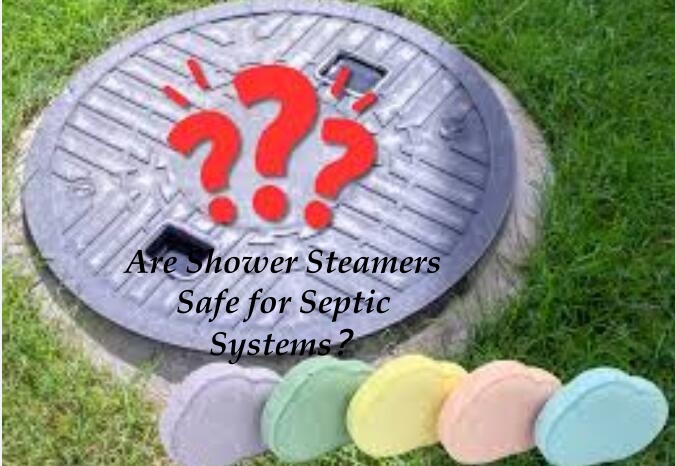
Shower steamers (also called Shower bombs, shower fizzies, or shower tablets) are small, compressed tablets that you place on the floor of your shower.
When they get wet, they:
- Fizz and dissolve in the water
- Release Essential Oils and fragrance into the warm steam
- Turn your normal shower into an aromatherapy experience without soaking in a tub
They’re designed for scent and relaxation only—you don’t use them on your skin like soap.
How shower steamers fizz and release essential oils
Most shower steamers septic safe formulas use a simple base:
- Baking soda (sodium bicarbonate)
- Citric acid
- A bit of binder to hold the tablet together
- Essential oils or fragrance for the aromatherapy effect
When water hits the tablet, the baking soda and citric acid react, causing a gentle fizz.
This fizzing helps:
- Break the tablet apart
- Carry the essential oil vapors into the steam you breathe
- Rinse the remaining dissolved powder down the drain with your shower water
For septic systems, this fizz-and-rinse action is important because it limits buildup and helps everything move through your plumbing quickly.
Shower steamer vs bath bomb: key drain and residue differences
From a septic tank and plumbing perspective, shower steamers are usually much safer than bath bombs:
-
No soaking in a full tub
- Bath bombs sit in still water with your body oils, soap, and other products, then dump a whole tub of concentrated residue into your septic at once.
- Shower steamers dissolve slowly in running water, so ingredients are highly diluted before they ever reach your septic system.
-
Typically less oil and butter
- Bath bombs often contain heavy oils and butters that can cling to pipes and add to scum in a septic tank.
- Most shower fizzies plumbing safe formulas are lighter, with lower oil content and less residue.
-
Fewer extras (if you choose wisely)
- Bath bombs can be loaded with glitter, flower petals, confetti, and color-heavy dyes that can linger in drains.
- A good septic tank friendly aromatherapy steamer skips glitter, plastic beads, and chunky botanicals so it fully dissolves and rinses clean.
Why septic system homeowners love shower steamers
If you live with a septic system and still want that at‑home spa feel, shower steamers are a smart compromise:
- You get the spa‑like aromatherapy without filling a bathtub.
- The product is highly diluted in shower water by the time it reaches your septic tank.
- With the right formula, there’s minimal oil, low residue, and no clog‑prone additives.
- They’re easy to use daily or a few times a week without feeling like you’re stressing your system.
Used correctly, shower steamers septic safe formulas give you the relaxing shower aromatherapy you want while staying gentle on your plumbing and septic setup.
How Septic Systems Work in a House
If you’re wondering “are shower steamers safe for septic systems?”, it helps to know what’s happening under your house first.
Basic parts of a septic system
A typical home septic system has three main parts:
- Household pipes – carry wastewater from showers, sinks, toilets, and washers.
- Septic tank – a buried tank where solids settle, fats/oils float, and bacteria start breaking everything down.
- Drain field (leach field) – a network of perforated pipes in gravel/soil where treated water slowly filters back into the ground.
Anything from your shower steamers, shampoos, or cleaners ends up moving through this setup.
How bacteria break down waste
Inside the septic tank, natural bacteria do most of the work:
- They break down organic waste into sludge (bottom) and scum (top).
- Clearer liquid in the middle flows out to the drain field.
- A healthy tank depends on strong bacterial activity and not too many harsh chemicals.
If you kill off those bacteria, the whole system slows down and can back up.
What happens to shower water
When you use shower steamers septic safe products:
- The tablet dissolves in hot water.
- Water + dissolved ingredients go down the drain, through the pipes, into the septic tank, then out to the drain field.
- The key question is: do those ingredients dissolve fully, or do they leave residue, oils, or solids behind?
That’s why the ingredients in shower bombs and septic tanks matter so much.
How household products cause septic problems
Some common ways bathroom and spa products can mess with a septic system:
- Oils and fats (heavy butters, greasy products) stick to pipes and build up in the tank.
- Harsh chemicals (strong bleach, disinfectants, some cleaners) can kill good septic bacteria.
- Non‑dissolving additives (glitter, plastic beads, thick mica, petals) can collect in pipes and the tank instead of breaking down.
- Overuse of non‑septic‑friendly products adds up fast, especially in small or older systems.
When I develop or choose septic tank friendly bathroom products like shower fizzies plumbing safe options, I focus on fully water‑soluble, low‑residue ingredients so they move through the system cleanly and keep your septic working the way it’s supposed to.
Common septic system risks from bathroom products
Oils, fats & residue in pipes
Most shower products leave some kind of film. Over time, that build‑up is what hurts a septic tank and your drains, not one single use.
What causes clogs and build‑up:
- Heavy oils and butters (coconut oil, shea, cocoa butter)
- Greasy bath melts, oily bath bombs, very rich scrubs
- Waxes and petroleum‑based ingredients
These can:
- Cool and harden inside pipes
- Stick to soap scum and hair
- Form a sticky layer that slowly narrows your drain line
Shower steamers that are low‑oil and fully dissolving are generally more septic safe than greasy spa products.
Harsh chemicals vs good septic bacteria
Your septic tank works because of live bacteria. Strong chemicals can wipe them out.
High‑risk ingredients:
- Chlorine bleach and drain cleaners
- Strong disinfectant bathroom sprays
- Antibacterial soaps in large, daily amounts
- Highly acidic or highly alkaline cleaners
When these hit your tank often, they can:
- Kill the “good” bacteria that break down waste
- Cause solids to build up faster
- Lead to backups and expensive pumping or repairs
Septic‑safe shower products and mild cleaners keep that bacteria working properly.
Non‑dissolving additives: glitter, petals, beads
Pretty add‑ons can be a real problem for shower bombs and septic tanks.
Problem ingredients in shower steamers and bath bombs:
- Plastic glitter and metallic shimmer
- Dried petals, herbs, seeds
- Microbeads or decorative beads
- Mica in heavy amounts
Why they’re bad:
- Don’t dissolve in water
- Catch on hair and soap scum in pipes
- Settle in the septic tank and never break down
- Can clog filters and stress pumps
Look for glitter free shower steamers for septic, with biodegradable, natural colorants instead.
Occasional use vs daily heavy use
With septic systems, how often you use a product matters as much as what’s in it.
Occasional use (low risk):
- 1–2 simple, low‑residue shower steamers per week
- Minimal oils, no glitter, no petals
- Balanced with gentle, septic safe bath and body products
Daily heavy use (higher risk):
- Multiple shower steamers every day
- Products loaded with oils, butters, color, and additives
- Used along with harsh cleaners and other oily products
Daily overload can:
- Speed up sludge build‑up
- Increase chances of slow drains and gurgling
- Shorten the life of your system
As a shower steamers manufacturer, I design low residue shower steamers that fully dissolve, avoid non‑dissolving junk, and stay within what a normal home septic system can handle when used in moderation.
Key shower steamer ingredients + septic impact
When people ask “Are shower steamers safe for septic systems?”, I always say: it depends on the ingredients and how cleanly they rinse away.
Baking soda & citric acid: usually septic safe
Most shower steamers septic safe formulas start with these two:
-
Baking soda (sodium bicarbonate)
- Fully water‑soluble
- Breaks down easily and rinses straight through pipes
- Septic bacteria can handle it without a problem
-
Citric acid
- Also dissolves completely in water
- Creates the fizz when it meets baking soda
- At shower-level dilution, it won’t harm septic bacteria
For normal use, this base behaves like any mild household product going down the drain.
Essential oils & fragrance in your septic tank
Aromatherapy is the whole point of shower bombs and septic tanks conversations:
-
Essential oils
- You only use a small tablet + there’s a lot of water, so the oils are heavily diluted
- Most of the scent goes into the air, not the drain
- In reasonable use (a few times a week), essential oils septic system safety is generally fine
-
Fragrance oils
- Quality matters: cheap, heavy synthetic fragrances can be more clingy and leave film
- Look for phthalate‑free, cosmetic‑grade fragrance if you care about both your skin and septic
The reality: only a tiny amount of oil reaches your septic tank, and it’s diluted enough that it’s unlikely to cause trouble on its own.
Colorants, micas, glitter & botanicals
This is where a shower steamer ingredients drain check really matters:
-
Water‑soluble colorants (like basic food‑grade dyes)
- Rinse out easily
- No big septic impact at normal use
-
Micas & heavy pigments
- Can stick to soap scum and create build‑up in pipes over time
- Better avoided if your drain already runs slow
-
Glitter (especially plastic)
- Does not dissolve, does not break down
- Bad for both eco‑friendly shower tablets claims and septic systems
- Should be a red flag if you want septic tank friendly aromatherapy
-
Botanicals ( petals, herbs, buds )
- Look nice, but they can get trapped in hair and soap residue in the drain
- More particles = more chance of clogging, especially in older plumbing
I always push glitter free shower steamers for septic and minimal botanicals for that reason.
Added oils, butters & binders
Some shower bombs are closer to bath bombs and packed with moisturizers. That’s where risk goes up:
-
Added oils & butters (coconut oil, shea, cocoa butter, etc.)
- Feel nice on skin, but can cool and harden in pipes
- Mix with lint, hair and soap to form gunk
- Heavy, greasy formulas are not low residue shower steamers
-
Binders (like cream of tartar, starches, or clays)
- A little is fine; they help hold the tablet together
- Too much can leave more sludge in traps and lines
If you’re on a septic system, choose natural shower steamers biodegradable and light on extra oils.
Why ingredient quality changes septic safety
Not all shower fizzies plumbing safe claims are equal. What I focus on when we develop septic safe bath and body products:
- Simple, clean formulas (baking soda, citric acid, quality essential oils)
- No plastic glitter, no beads, minimal botanicals
- Cosmetic‑grade, water‑dispersible colors only
- Just enough binder, no heavy greases
High‑quality, fully dissolving ingredients = less residue, less build‑up, and much better septic system shower products for global homeowners who want spa vibes without risking their tank.
Are Shower Steamers Safe for Septic Systems?
In most homes, shower steamers are safe for septic systems when they’re made with simple, water‑soluble ingredients and used in normal amounts. The key is dilution: by the time a shower steamer (or “aromatherapy shower bomb”) hits your septic tank, it’s heavily watered down and gets flushed through just like regular soap.
Why dilution protects your septic tank
When you use a septic safe shower steamer:
- It dissolves slowly in running water
- The mix of baking soda, citric acid, and essential oils is spread through several gallons of shower water
- That diluted solution reaches the septic tank in very low concentrations, so it’s unlikely to harm bacteria or clog anything
For most global households on a septic system, that level of use is well within what the system can handle.
Shower steamers vs bath bombs for septic safety
Compared with bath bombs:
- Shower steamers are usually safer for septic tanks
- There’s less product per use and more water to dilute it
- You’re not soaking in and then draining a tub full of oils, butters, colorants, and glitter
- A good shower fizzy that fully dissolves leaves far less residue in pipes and in the tank
If someone is switching from heavy bath bomb use to septic tank friendly aromatherapy shower bombs, their system usually breathes a sigh of relief.
What plumbers and septic pros actually see
From real conversations with plumbers, septic techs, and homeowners:
- Most issues come from grease, wipes, and harsh cleaners, not from the occasional shower steamer
- Problems show up when people use oil‑heavy bath products daily, especially with older or undersized systems
- Pros tend to be fine with low‑residue, biodegradable shower steamers, as long as other septic habits are reasonable
In other words, shower steamers septic safe is realistic if you’re not abusing your system in other ways.
When a shower steamer might not be septic‑safe
You do need to be careful if:
- The product is loaded with heavy oils, butters, or waxes that can stick to pipes
- It contains plastic glitter, beads, or non‑dissolving additives
- You’re using multiple tablets every single day in a small or struggling system
- You already have slow drains, gurgling, or backups – any extra residue can make things worse
For a septic system, the best choice is a natural, low‑residue, glitter‑free shower steamer that dissolves clean, uses septic safe essential oil blends, and keeps the focus on aromatherapy rather than heavy cosmetic additives.
Factors That Affect Septic Safety with Shower Steamers
1. Frequency of Use
How often you use shower steamers matters more than a single ingredient.
- Light use (1–3 tablets/week): Most “shower steamers septic safe” products won’t cause issues in a healthy system.
- Moderate use (4–7/week): Choose low‑residue, biodegradable shower melts and avoid extra‑oily formulas.
- Heavy use (daily, multiple tablets): Buildup risk in pipes and the septic tank goes up, especially with oily or heavily colored shower bombs.
If you love aromatherapy, just treat it like any other septic system shower product—enjoy it, but don’t overdo it.
2. Size and Age of Your Septic System
Not every septic tank can handle the same load.
- Small or old tanks: More sensitive to extra oils, colorants, and any non‑dissolving bits from shower fizzies.
- Newer or larger systems: Usually more forgiving, but still not a license to use glitter‑heavy or oil‑loaded products.
If your system is older than 15–20 years, be extra picky with septic tank friendly aromatherapy products.
3. Overall Household Habits
Shower steamers are just one input. What else goes down your drains?
Avoid stacking these together with steamers:
- Regular dumping of kitchen grease or fats
- Harsh drain cleaners or bleach that damage septic bacteria
- “Flushable” wipes, cotton pads, or anything non‑dispersing
- Heavy use of oily scrubs, bath bombs, or thick conditioners
If the rest of your routine is septic safe, your shower steamers have far less impact.
4. Existing Septic Issues
If your septic system is already struggling, even gentle aromatherapy shower bombs become riskier.
Red flags:
- Slow or gurgling drains
- Wet, soggy patches over the drain field
- Bad smells around drains or outdoors
In these cases, cut back or pause shower bombs and septic tank exposure and talk to a local septic pro first.
5. Water Usage and Drain Performance
Water flow helps dilute and move shower steamer ingredients through your plumbing.
- Good water flow + clear drains: Dissolved baking soda, citric acid, and essential oils usually pass through without drama.
- Low‑flow, already slow drains: Any extra residue—from shower steamers, shampoos, or soaps—can speed up clogs.
If your shower already drains slowly, fix that before you ramp up on septic safe bath and body products like shower steamers.
How to Choose Septic‑Safe Shower Steamers
When you’ve got a septic tank, not every “spa” product gets a free pass. Here’s how I pick septic‑safe shower steamers that smell amazing but stay friendly to drains and bacteria.
Best ingredients for septic‑safe shower steamers
Look for simple, natural, water‑soluble formulas. On the label, I want to see:
| Good for septic systems | Why it’s better |
|---|---|
| Baking soda (sodium bicarbonate) | Fully dissolves, rinses clean |
| Citric acid | Helps fizz, breaks down easily in water |
| Pure essential oils (in low %, not heavy) | Aroma without thick, greasy residue |
| Natural clays (in small amounts) | Rinse away with water, low buildup |
| Food‑grade or water‑soluble colorants | Less chance of staining or sticking in pipes |
| Minimal, plant‑based binders | Designed to dissolve, not cling in drains |
These are the kind of natural shower steamers and eco‑friendly shower tablets that work well with most home septic systems.
Red flags for septic systems
If you see these in shower steamer ingredients, I’d pass:
- Heavy oils & butters (coconut oil in large amounts, shea, cocoa butter)
– can leave a film and add to buildup in pipes and the septic tank. - Glitter (especially plastic glitter or metallic)
– never dissolves, just sits in the system. - Plastic beads / microbeads / shimmer particles
– not biodegradable, bad for septic tanks and the environment. - Thick synthetic waxes
– slow to break down, can stick to pipes. - Overloaded fragrance oils + dyes
– unnecessary load on bacteria and more residue risk.
If I’m targeting shower bombs and septic tanks compatibility, I keep it glitter‑free, plastic‑free, and low‑residue.
What “septic safe” & “biodegradable” really mean
On packaging, I look beyond the buzzwords:
-
“Septic safe”
- Should mean:
- Fully dissolves with normal shower water
- No solids that hang around in pipes or tank
- No harsh antibacterial chemicals that attack septic bacteria
- I still check the ingredient list. If it’s packed with oils, glitter, or mystery fillers, I don’t trust the claim.
- Should mean:
-
“Biodegradable”
- Should mean:
- Breaks down naturally in a reasonable time
- Plant‑based or mineral‑based ingredients
- Vague claims with no details = I’m cautious.
- Should mean:
For septic tank friendly aromatherapy, I want the formula to be both biodegradable and simple, not just labeled that way.
Check reviews and brand transparency
When I choose safe shower steamers for homeowners with septic systems, I always scan:
- Reviews mentioning septic systems, plumbing, or drains
- Look for feedback like: “no residue,” “no drain issues,” “septic safe.”
- Ingredient breakdown on the website
- Clear INCI list, no “proprietary blend” hiding half the formula.
- Brand honesty
- Do they openly talk about septic safe bath and body products, eco standards, and testing?
- Do they avoid glitter and plastics by design, not by accident?
If a brand is proud to call out low residue shower steamers, chemical free shower steamers, and shows full ingredients, that’s the kind of septic system friendly spa product I’m comfortable putting my name behind.
Safe Ways to Use Shower Steamers with a Septic System
Using shower steamers septic safe comes down to where you place them, how fast they dissolve, and how often you use them. Here’s how I recommend using them so your septic system stays happy long‑term.
Best placement in the shower
To keep shower bombs and septic tanks on good terms, don’t let the steamer sit right under a heavy water blast.
Better spots:
- Front corner of the shower, away from the main spray
- On a soap dish, ledge, or small tray where only splash hits it
- On the shower floor but off to the side, so water just grazes it
This slows the fizz, reduces residue, and keeps more aromatherapy steam in the air instead of sending a concentrated mix straight into your pipes.
Control how fast a shower steamer dissolves
You control how strong the scent is and how much goes into your drain and septic tank:
- For slower dissolve:
- Place the steamer away from direct spray
- Use a small dish with drain holes so water doesn’t pool
- Turn the water pressure down slightly
- For faster dissolve (short shower):
- Move it a bit closer to the spray
- Use warmer water to boost the fizz
Keeping the dissolve rate moderate is better for essential oils septic system safety and stops the product from dumping all at once into your drain.
How often you can use shower steamers with a septic system
With a healthy system and septic‑safe shower steamers, most households are fine using:
- 2–4 shower steamers per week in a typical home
- Daily use is usually okay if:
- You’re using low‑residue, biodegradable shower melts
- You’re not overloading your system with harsh cleaners, wipes, or grease
- Your drains run clear and you pump your septic on schedule
If your tank is older, small, or already sensitive, scale back and stick to occasional aromatherapy shower bombs instead of daily.
Simple habits to prevent residue in your drain
To keep shower fizzies plumbing safe and avoid build‑up:
- Rinse the floor: After your shower, run clean water over where the steamer sat to wash away any film.
- Skip glitter and petals: Use glitter‑free shower steamers with no botanicals, beads, or plastic shimmer.
- Avoid heavy oils: Choose low‑oil, low‑butter formulas so less sticks to your pipes.
- Hot rinse weekly: Let hot water run in the shower drain for a few minutes once a week to help clear light buildup.
Used this way, shower aromatherapy for septic systems stays relaxing for you and low‑impact for your tank.
Signs Your Septic System Might Be Struggling
Even if you’re using septic safe shower steamers, you still need to watch how your system behaves. Here are the main red flags I tell customers to take seriously:
Slow or gurgling shower drains
If you notice:
- Slow draining water in the shower
- Gurgling sounds after using shower steamers or other shower products
- Water pooling around your feet longer than usual
…it can mean build‑up in the line or early septic issues. One steamer won’t cause this alone, but residue plus soaps, hair, and oils can add up.
Bad smells near drains or drain field
Pay attention to:
- Sewer‑type smells from bathroom drains
- Musty or rotten odors outside around the septic tank or drain field
Any persistent smell means the system isn’t breaking things down properly. This is a sign to stop extra products (even aromatherapy shower bombs) and monitor closely.
Water backing up into tubs or showers
Serious warning signs:
- Water coming back up into the shower after you flush a toilet or drain a sink
- Bubbling in the toilet when the shower runs
This usually points to a clog or an overloaded septic tank, not just a shower steamer issue. Don’t ignore this.
When to call a septic professional
Call a septic pro immediately if:
- Smells, slow drains, or gurgling last more than a few days
- You see any backup into tubs, showers, or floor drains
- Your yard over the drain field is soggy, spongy, or unusually green
A good technician will check the tank, lines, and drain field, then advise you on safe shower products, how often you can use aromatherapy shower bombs, and what’s best for your specific septic system.
Septic Maintenance Tips for Shower Steamer Lovers
If you love using shower steamers but rely on a septic system, you can absolutely enjoy both—as long as you stay on top of basic maintenance.
How often to pump and inspect a septic tank
For most homes, this is a good rule of thumb:
- Pump your septic tank every 3–5 years (heavy use or large families: closer to 3).
- Get a professional inspection every 2–3 years to check sludge levels, filters, and the drain field.
- If you’re using shower steamers or other spa products regularly, don’t delay pumping—staying on schedule protects your system.
Daily and weekly habits to keep septic bacteria healthy
Your septic tank needs live, active bacteria. Protect it with simple habits:
- Skip antibacterial drain cleaners and bleach-heavy routines.
- Use septic-safe, low‑tox cleaning products in bathrooms.
- Run plenty of water (normal showers, laundry spread through the week) so anything from shower steamers stays diluted.
- Avoid dumping oils, paint, solvents, or harsh chemicals down any drain.
Bathroom products to avoid if you use shower steamers
If you’re already using shower steamers, cut back on other high‑risk products:
- Oil‑heavy bath bombs and body scrubs (they can leave greasy buildup in pipes).
- Glitter, plastic beads, and non‑dissolving botanicals (they don’t break down in a septic tank).
- “Shock” chemical cleaners that promise instant pipe cleaning—these often hit septic bacteria hard.
Look for septic safe bath and body products, natural shower steamers, and low residue shower steamers to keep things balanced.
Balancing aromatherapy with overall septic care
You don’t have to give up aromatherapy:
- Treat shower steamers as an occasional spa treat, not a non‑stop stream of extra additives.
- If you’re using shower steamers daily, be extra strict about what else goes down the drain (no grease, no wipes, fewer heavy bath oils).
- Watch for early warning signs like slow drains, gurgling, or odors and call a septic pro sooner rather than later.
Used smartly, shower steamers septic safe habits come down to this: keep ingredients simple, keep bacteria healthy, and keep your overall system load reasonable. That way you get your at‑home spa vibe without risking your septic tank.
Shower steamers vs other septic‑safe aromatherapy options
Shower steamers vs bath bombs (for septic safety)
If you’re on a septic system, shower steamers are usually the safer pick than bath bombs.
| Product | Septic impact | Why it matters |
|---|---|---|
| Shower steamers / shower bombs | Low | Smaller tablets, highly diluted by shower water, less oil left on skin and in pipes. |
| Bath bombs | Higher | Full bomb + colorants + oils soak with you, then all that goes straight into the septic tank at once. |
Why shower steamers are more septic‑friendly:
- Less water sitting in the tub, so less time for oils and butters to cling to pipes.
- Lower total dose of ingredients per use.
- Easier to choose glitter‑free, low‑residue, biodegradable shower steamers.
If your septic system is older, undersized, or already a bit touchy, I’d strongly lean shower steamers instead of bath bombs.
Shower steamers vs scented body wash and scrubs
Compared with other bathroom products, septic impact looks like this:
| Product | Septic safety | Notes |
|---|---|---|
| Septic‑safe shower steamers | High | Minimal surfactants, no rubbing into skin, rinses off fast. |
| Mild scented body wash | High–Medium | Okay if it’s low in harsh chemicals and used reasonably. |
| Oil‑heavy scrubs / salt scrubs | Low | Oils + butters can stick in pipes and add to scum layer in tank. |
To keep things septic‑friendly:
- Use light, low‑oil body washes.
- Limit heavy sugar/salt scrubs to occasional use.
- Stick with low‑residue shower fizzies for daily aromatherapy.
Other aromatherapy options (no drain contact)
If you want zero risk to your septic tank, use options that never hit the water:
- Essential oil diffusers – Air only, no impact on plumbing.
- Wax melts / warmers – Great throw, nothing goes down the drain.
- Room sprays / linen sprays – Just avoid spraying directly into sinks or tubs.
These are ideal if:
- You’ve had backups or drain field issues.
- Your septic tank is very old or heavily used.
- You want aromatherapy outside the bathroom as well.
When to switch from bath bombs to shower steamers
If any of this sounds familiar, I’d switch from bath bombs to septic‑safe shower steamers:
- You’re seeing slow drains, gurgling, or occasional odors.
- You take baths with bombs several times a week.
- Your plumber or septic tech has warned you about oils, butters, or “gunk” in the lines.
- You want that spa vibe but need septic tank friendly aromatherapy.
Using glitter‑free, chemical‑light, natural shower steamers a few times a week is a solid balance: you still get the aromatherapy hit, but with much lower risk to your septic system.
Eco‑Friendly and Septic‑Friendly Shower Steamer Choices
Biodegradable shower tablets are better for your septic
If you’re on a septic system, biodegradable shower steamers are the safest bet. They’re designed to break down quickly in water and won’t hang around in your pipes or tank.
Look for:
- Short, simple ingredient lists (baking soda, citric acid, natural fragrance, minimal color)
- Claims like “biodegradable”, “septic safe”, or “greywater friendly”
- No plastics, no glitter, no beads, no chunky botanicals
This kind of septic tank friendly aromatherapy dissolves fully, so you get the spa feel without stressing your system.
Plant‑based, vegan, cruelty‑free options for septic tanks
A lot of natural shower steamers are also vegan and cruelty‑free, which fits well with a low‑impact, septic‑safe lifestyle.
When I choose or formulate steamers, I focus on:
- Plant‑based binders and fragrances
- No animal fats or heavy butters that can stick in pipes
- Essential oil blends that are strong enough to smell, but used in sane, diluted levels
These non toxic shower steamers for septic tanks give you clean ingredients and low residue.
Unscented or lightly scented for sensitive systems
If your septic system is older, small, or already touchy, go gentler:
- Unscented shower tablets (no fragrance, just fizz)
- Lightly scented steamers with low essential oil load
- Avoid anything labeled “extra strong,” “intense,” or “long‑lasting scent”
Less fragrance means less material hitting your tank, which is better if you use steamers often.
Eco‑friendly packaging and a septic‑safe lifestyle
If you care about your septic, you usually care about waste overall. I keep packaging tight and simple for that reason:
- Recyclable or FSC‑certified boxes
- Minimal plastic (or none at all where possible)
- Clear labeling: “septic safe,” “eco‑friendly shower tablets,” “low residue shower steamers”
Pairing septic safe bath and body products with low‑waste packaging keeps your whole routine cleaner—from the shower drain to the drain field.
Why Choose Poleview Group Shower Steamers for Septic Systems
As a professional shower steamers manufacturer in China, I design our Poleview Group shower steamers to be septic‑friendly first, not as an afterthought.
Septic‑Friendly Formulation
We build our shower steamers septic safe formulas around:
- Full dissolution – tablets break down completely, no gritty chunks left in the drain
- Low‑residue base – no heavy butters or waxes that cling to pipes or septic tanks
- Water‑soluble ingredients – everything rinses away clean with normal shower flow
| Design Focus | Septic Benefit |
|---|---|
| Fast, clean fizz | Less chance of buildup in pipes |
| No bulky fillers | Lower sludge load in septic tank |
| Controlled essential oil load | Aroma without oil overload |
Ingredient Standards: Pure Oils, Low Residue
I keep our shower steamer ingredients tight and simple:
- Pure essential oils or safe fragrances, balanced for essential oils septic system safety
- No plastic glitter, beads, or confetti
- Only biodegradable colorants and binders
- Low oil percentage to reduce film and residue
| Included (Yes) | Excluded (No) |
|---|---|
| Baking soda, citric acid | Plastic glitter, microbeads |
| Pure essential oils & EO blends | Heavy butters, thick waxes |
| Food‑grade or mineral colorants | Hard‑to‑break synthetic fillers |
Testing, Quality Control & Feedback
To keep our shower fizzies plumbing safe, we run:
- Dissolution tests – check how cleanly tablets melt in typical shower conditions
- Residue checks – test for film on tiles, pipes, and strainers
- Batch QC – strict weight, hardness, and fizzle consistency checks
- Customer feedback loops – we actively track reviews from homeowners on shower bombs and septic tanks performance
This helps us keep our products low residue shower steamers that real septic owners can use with confidence.
Private Label & Custom Septic‑Safe Formulas
If you’re a brand or retailer, I can build septic tank friendly aromatherapy lines tailored to your market:
- Private label shower steamers with your branding
- Custom septic safe essential oil blends (energizing, calming, sleep, focus, etc.)
- Glitter free shower steamers for septic systems
- Options for:
- Organic shower steamers septic safe
- Chemical free shower steamers
- Eco‑friendly shower tablets with sustainable packaging
| Custom Option | What You Can Choose |
|---|---|
| Scent profile | Single oils or signature EO blends |
| Septic‑safety level focus | Ultra‑low residue, fragrance‑free, etc. |
| Market positioning | Vegan, natural, spa‑grade, family‑safe |
If you want septic system friendly spa products that still feel premium and on‑trend, this is exactly the niche we build for.