
You've probably spotted it on someone's bathroom shelf — a rough, dark chunk that looks nothing like the pretty pastel bars at Sephora. Maybe a friend swore it cleared her cystic acne. Maybe you keep seeing it pop up on TikTok skincare hauls. Either way, African black soap has quietly become one of the most talked-about natural cleansers around, and for good reason.
Here's the thing though: most articles about it either treat it like a miracle cure or skim past what actually makes it work. Let's do this differently.
What Exactly Is African Black Soap?
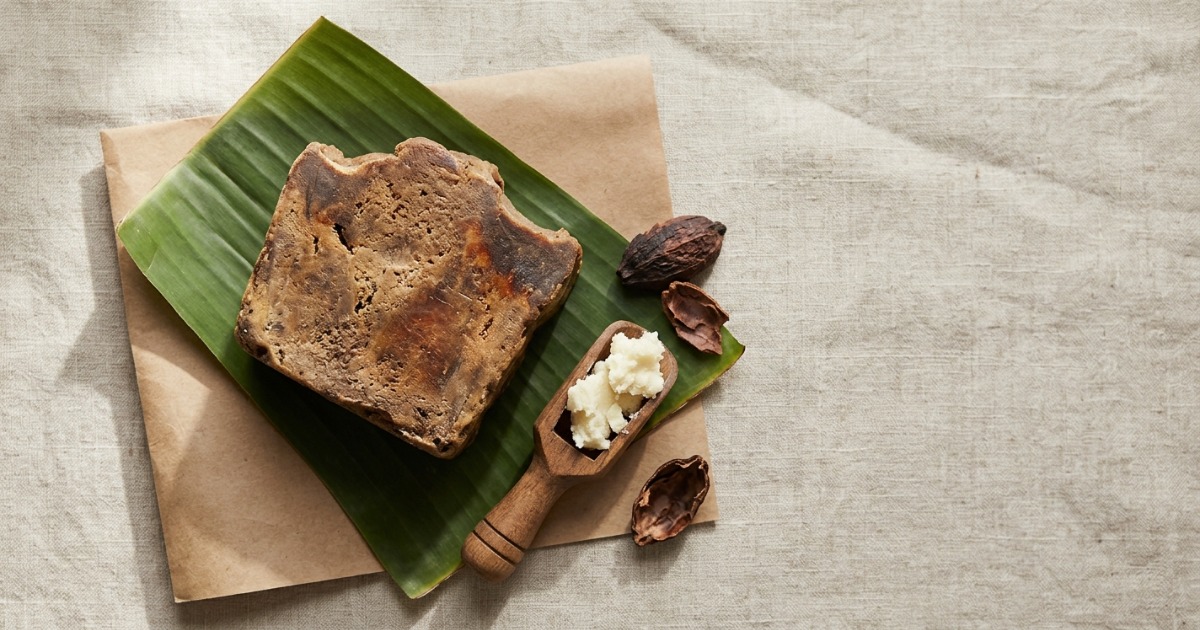
First, a small confession from the marketing world — the name is a bit misleading. Real African black soap isn't always jet black. Depending on which batch you get, it might look chocolate brown, muddy grey, or somewhere between burnt caramel and wet clay. If your bar is uniformly obsidian-dark and smells like a candle store, that's your first red flag.
The soap is soft, uneven, and honestly kind of ugly. That's exactly how it should be.
The Story Behind Ose Dudu
The tradition goes back centuries among the Yoruba people of West Africa — spanning Nigeria, Ghana, Togo, and Benin. In Yoruba, "Ose Dudu" simply means "black soap." It's been made by hand for generations, most often by women working in village cooperatives who pass the recipe from mother to daughter.
Every region tweaks the formula slightly. A batch from northern Ghana might lean heavier on shea butter, while a Nigerian recipe could use more palm kernel oil. There's no single "correct" version, and that's part of what makes it interesting.
Raw vs. Commercial: Why the Difference Matters
Walk into a market in Kumasi and you'll find lumpy, hand-cut chunks wrapped in banana leaves or brown paper. Walk into a chain drugstore in the US and you'll see glossy black bars with a suspiciously long shelf life and "African Black Soap" printed in gold foil.
These are not the same thing. A lot of what's sold commercially is glycerin soap with black dye, activated charcoal, and synthetic fragrance thrown in. It might still cleanse your face, but it won't do what raw african black soap actually does.
What's Actually Inside the Bar?
Good news: you don't need a chemistry degree to understand this. The ingredient list on an authentic bar is short, and every component earns its place.
The Core Ose Dudu Ingredients
Plantain skin ash — the mineral-rich, gently exfoliating base
Cocoa pod ash — adds antioxidants and lye alkalinity
Palm kernel oil (or palm oil) — for lather and skin conditioning
Shea butter — the moisturizing counterweight to the ash
Coconut oil — cleansing and mildly antibacterial
Honey or aloe vera — sometimes added in modern versions
That's it. No sulfates, no parabens, no fragrance dumps.
Why the Plantain Ash and Shea Butter Combo Works
Here's the part most competitor articles skip. Plantain skins and cocoa pods are sun-dried, then roasted in a clay oven until they turn to ash. That ash is naturally alkaline, high in potassium and sodium salts. When it meets the oils, a slow saponification happens right in the pot, creating actual soap through the same chemistry any lye-based bar uses.
The genius is in the balance. Pure ash-based soap would strip your skin raw. But the shea butter and plantain ash soap combination softens that harshness — the fats stay partially unsaponified, coating your skin as you rinse. That's why a good bar cleanses deeply without leaving you feeling stripped the way a strong sulfate cleanser would.
Real Benefits People Notice
Let me be honest: no soap is magic. But there are consistent patterns in what users report, and some of them have decent science behind them.
For Acne-Prone Skin
The gentle grit from ash particles physically loosens debris in pores, while the natural fatty acids have mild antibacterial activity. It's one of the more effective natural soap for acne and eczema options out there.
A heads-up though — plenty of new users go through what looks like a "purge" in the first week or two. Little breakouts surface as the soap pulls gunk to the top. This usually settles within 14 days. If it's still raging after a month, the soap probably isn't right for your skin.
For Eczema and Dry Patches
The shea butter content is the hero here. Its high concentration of oleic and stearic acids helps calm inflammation and rebuild lipid barriers. Some dermatologists have started recommending it as a gentler alternative to the sulfate-heavy cleansers that eczema sufferers usually can't tolerate.
That said, always patch test. Compromised skin barriers can react unpredictably.
For Hyperpigmentation and Dark Spots
The vitamin A and E in shea butter, paired with mild exfoliation from the ash, can genuinely fade post-acne marks and sun spots over time. Emphasis on time. Think six to eight weeks of consistent use, not overnight results.
If a product promises fast lightening, run.
For Hair and Scalp
Yes, it doubles as a shampoo. It's especially handy for dandruff-prone or oily scalps because it cuts through buildup without silicones or sulfates. Just don't expect it to be kind to very dry, tightly curled hair without a serious deep conditioner afterward — the alkalinity can rough up the cuticle.
How to Actually Use It Without Wrecking Your Skin
This is where most guides fall short. They tell you to "wash your face with it" and stop there. Let's do better.
The Right Way to Lather
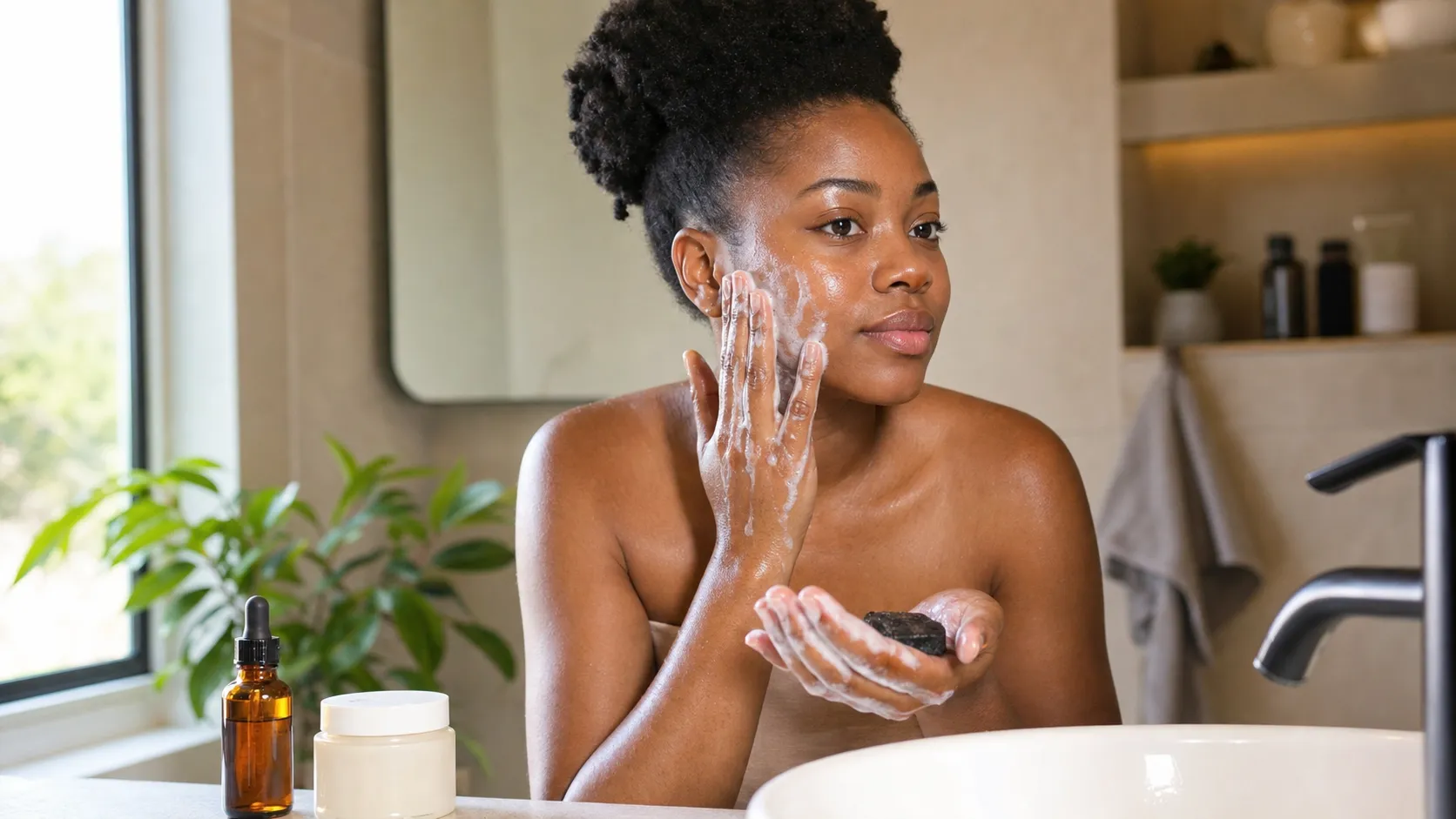
Never — and I mean never — rub the raw bar directly on your face. Those ash particles are too gritty and you'll end up with micro-tears. Instead, break off a small piece, wet your hands, and work it into a soft foam between your palms. Apply the lather to your face, not the bar itself.
How Often Should You Use It?
Oily skin: daily is usually fine, morning or night
Combination skin: every other day
Dry or sensitive skin: two or three times a week, max
Listen to your face. If it starts feeling papery or tight all day, scale back.
The Golden Rule: Always Moisturize After
Because black soap sits on the alkaline side of the pH scale, your skin needs help rebalancing after cleansing. A splash of toner, a few drops of a facial oil (jojoba works beautifully), or your regular moisturizer — whatever you use, don't skip it.
Common Mistakes to Avoid
Leaving the Bar Wet
Water is this soap's nemesis. Leave it sitting in a puddle and it will dissolve into a slimy blob within days. Store it on a well-draining dish, or better yet, wrap any unused portion tightly in plastic wrap or beeswax paper.
Using It Around the Eyes
The ash particles sting. A lot. Keep it below the brow line and rinse carefully.
Buying from Sketchy Sources
Mass-produced fakes flood the big e-commerce sites. If the ingredient list mentions "fragrance," "black dye," or anything ending in "-paraben," it's not authentic. Real bars list five to seven natural ingredients — that's it.
How to Spot Authentic Ghanaian Black Soap
Look, Smell, Feel
A real bar is soft enough to leave a fingerprint when you press it. It's uneven in shape, brownish or grey rather than perfectly black, and smells earthy — a bit smoky, a bit nutty. Some people say it reminds them of cocoa powder and campfire. If yours smells like vanilla or "fresh linen," it's been perfumed.
Where to Buy It
Fair-trade cooperatives that sell online direct from Ghana or Nigeria
Trusted natural beauty brands that name their source village or co-op
African grocery stores in your city — often the best price-to-quality ratio
Price Check
A genuine 1-pound block typically runs $8 to $15. If you're seeing "African black soap" for $3 at a big-box chain, that's almost certainly a mass-manufactured lookalike. On the flip side, don't get fooled by $40 "luxury" versions either — the raw material just isn't that expensive.
Who Should Skip It?
Very Sensitive or Compromised Skin Barriers
If you're in an active rosacea flare, dealing with open wounds, or your skin barrier is already trashed from over-exfoliating, the alkalinity may make things worse. Wait until things calm down, then patch test on your inner arm for a few days before going near your face.
Palm Oil Concerns
For readers who avoid palm oil for environmental or ethical reasons, look for cooperatives that use certified sustainable palm, or the growing number of palm-free versions that substitute in more coconut or shea. They exist; you just have to read labels.
DIY: Can You Make Black Soap at Home?
Technically? Yes. Realistically? Not really — not the authentic version, anyway.
The problem is sourcing. Real plantain and cocoa pod ash aren't sitting in your grocery store. Most "DIY African black soap" recipes floating around Pinterest are melt-and-pour glycerin bases with shea butter and activated charcoal stirred in. That's a fine homemade soap, but it's not Ose Dudu. If you want the real thing, buying from a source that supports West African makers is honestly the better route.
Final Thoughts: Is It Worth the Hype?
Here's my honest take: African black soap isn't a miracle. It won't erase your acne overnight, and it won't replace your dermatologist. What it is is a genuinely effective, affordable, multi-purpose cleanser with real cultural roots, one that outperforms most drugstore alternatives at the same price.
Buy the real thing from an ethical source and you're getting a product made largely by women who've been perfecting this recipe for generations. That matters. So do them a favor: skip the mystery bar at the chain store, spend a couple dollars more on the real deal, and let a beautiful old tradition keep supporting the people who built it.
Your face, and West Africa, will thank you.
FAQ
Q: Does African black soap expire?
A: Since it contains no synthetic preservatives, the natural oils can slowly go rancid after roughly 12 to 18 months. Keep your bar dry, cool, and out of direct sunlight, and it will last that whole window without issue.
Q: Can I use it on my body and face?
A: Absolutely — that's part of the appeal of the authentic Ghanaian black soap benefits. One bar covers your whole shower routine. Just be gentler and less frequent with facial skin than body skin.
Q: Why does my skin feel tight after using it?
A: That's the alkaline effect at work. A little tightness right after rinsing is normal, but it's also your cue to moisturize right away. If the tightness lasts for hours, you're probably using the soap too often.
Q: Is it safe during pregnancy?
A: Generally yes. The ingredients are essentially food-grade. That said, pregnancy skin can be unpredictable, so check with your doctor if you're prone to sensitivity or have a history of eczema.
Q: Will it lighten my skin?
A: No. It can fade dark spots, even out patchy tone, and brighten dullness, but it won't bleach your natural complexion. Any product claiming to "lighten" skin dramatically is a serious red flag. Walk away.
Q: Can kids use it?
A: Older children with normal skin can generally use it just fine. For babies or toddlers, stick to something gentler. Their skin barriers are too delicate for the alkaline pH.