
Walk into any craft fair these days and you'll spot them — those chunky, imperfect bars stacked in wooden crates, wrapped in kraft paper, smelling faintly of lavender or oatmeal. Handmade soap is having a moment. Actually, scratch that. It's more of a slow-burn revival, and it shows no signs of cooling off.
So what's the deal? Why are people willing to spend $8 on a bar of soap when a 10-pack sits at the grocery store for less? Let's get into it.
What Exactly Is Handmade Soap?
At its core, handmade soap is what soap used to be before industrial manufacturing changed the game. It's made in small batches, usually by one person or a tiny team, using real oils and fats reacted with an alkali. That's it. No mystery surfactants. No synthetic hardeners.
Handmade Soap vs. Commercial "Beauty Bars"
Here's a fun fact that surprises most shoppers: a lot of what you find on drugstore shelves isn't legally soap at all. Read the fine print and you'll often see the words "beauty bar," "cleansing bar," or "syndet bar." These are detergents — chemically closer to dish soap than traditional soap.
The difference matters because commercial bars typically strip out the natural glycerin that forms during soap-making. Why? Glycerin is valuable, and big manufacturers sell it separately for lotions and cosmetics. Handmade bars keep every drop of it, which is part of why your skin feels softer after using one.
The Role of Saponification (Without the Chemistry Headache)
Saponification sounds intimidating, but it's genuinely simple. You take oils (say olive and coconut), mix them with a lye solution, and the two react to form soap plus glycerin. The lye gets fully consumed in the process — meaning there's zero lye left in a properly made, cured bar.
Think of it like baking. Raw eggs and flour don't stay raw eggs and flour once you bake them into a cake. Same principle here.
Common Myths Worth Clearing Up
"But isn't lye dangerous?" In its raw form, yes — same as bleach or drain cleaner. Handled properly with goggles and gloves, it's perfectly manageable. Every bar of real soap ever made has involved lye at some point.
"Handmade soap doesn't lather." A well-formulated bar with the right coconut and castor oil ratio lathers beautifully. Bad recipes exist, sure, but that's a formulation issue, not a handmade issue.
"It melts too fast." Only if you leave it swimming in a puddle. Give it a draining dish and it'll outlast expectations.
Why Handmade Soap Has Made Such a Big Comeback
This resurgence isn't just nostalgia or aesthetic Instagram culture — though those help. Real forces are pushing people back toward the bar.
The Move Away from Plastic Bottles
Plastic fatigue is real. According to industry tracking data, sales of bar soap in North America grew steadily through the mid-2020s, driven largely by younger shoppers who want fewer bottles in their bathrooms. A bar wrapped in paper (or nothing at all) is one less piece of packaging to feel guilty about.
Skin-First Shopping Habits
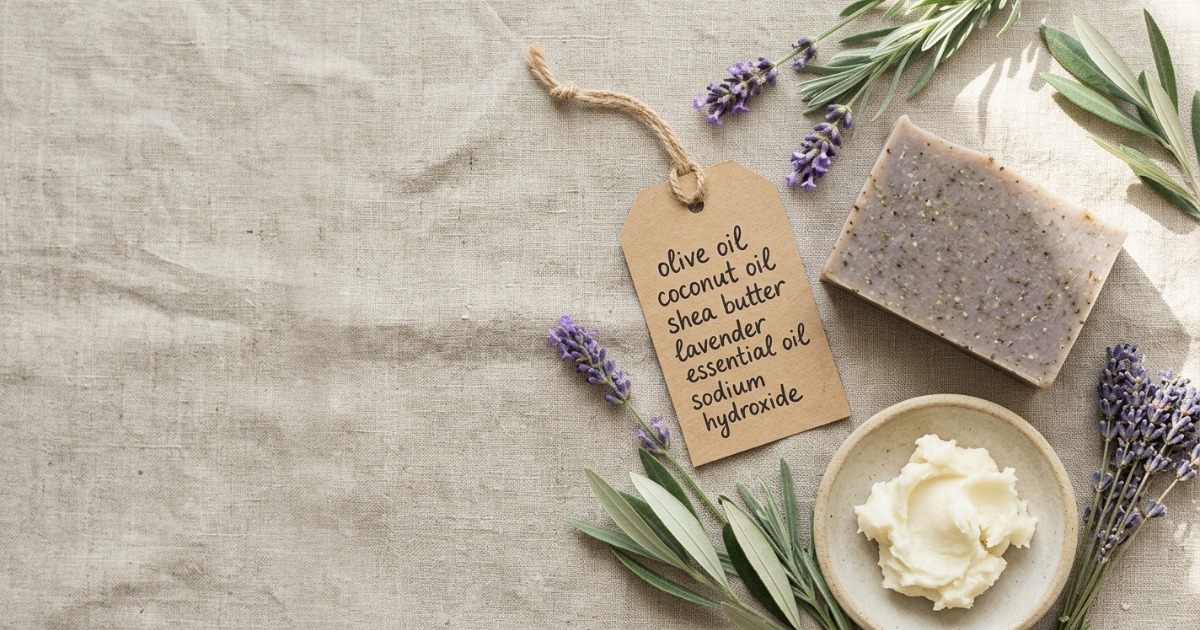
People read labels now. Not everyone, not always, but enough that the shift is measurable. Shoppers are actively avoiding sulfates, parabens, and the catch-all word "fragrance." When a handmade label says "olive oil, coconut oil, shea butter, lavender essential oil, sodium hydroxide," you know exactly what's in there.
Supporting Small Makers
There's something satisfying about buying soap from the person who made it. Farmers' markets, Etsy shops, neighborhood makers — buyers say it just feels different than grabbing a plastic bottle off an endcap. And honestly, it is different.
The Main Types of Handmade Soap (and How to Tell Them Apart)
Not every "handmade" bar is made the same way. Knowing the method helps you understand what you're actually buying.
Cold Process Soap
The traditional standard. Oils and lye are mixed at low temperatures, poured into molds, and cured for four to six weeks. This is where most cold process soap recipes shine — the slow cure produces harder, longer-lasting bars with a smooth, professional finish.
Hot Process Soap
Same ingredients, but heat is applied during mixing to speed up saponification. The result looks a little rustic — think chunkier texture — but it's technically usable within a week. Some makers actually prefer it for the earthy, homespun look.
Melt and Pour Soap
This method starts from a pre-made soap base that gets melted, customized with colors or additives, and poured into molds. No lye handling required, which makes it beginner-friendly and great for kids' craft projects. Purists don't count it as "from scratch," but it has its place.
Rebatched (French Milled) Soap
Existing soap gets grated, gently re-melted, and mixed with delicate additions like fresh milk or botanicals that wouldn't survive the original saponification. Then it's reshaped. It's a way to preserve fragile ingredients.
What Actually Goes Into a Good Bar
Here's where it gets interesting. The ingredient list on a bar tells you almost everything you need to know.
The Oils That Do the Heavy Lifting
Every oil brings something different to the party:
Olive oil — gentle, conditioning, produces a creamy lather. The backbone of classic Castile soap.
Coconut oil — bubbly lather and hardness. Too much can be drying, though.
Castor oil — the lather booster. A little goes a long way.
Shea and cocoa butter — luxurious feel, extra moisture, harder bars.
Avocado oil — a favorite for sensitive skin formulations.
The ratio of these oils is where the artistry lives. A skilled soaper adjusts them based on climate, water hardness, and target skin type.
Essential Oil Soap Ingredients vs. Fragrance Oils
Essential oils are steam-distilled or cold-pressed from actual plants. Fragrance oils are synthetic blends designed to smell like something. Neither is automatically "bad," but they behave differently. Essential oils tend to fade faster and cost more. Fragrance oils hold scent longer and offer options (like "birthday cake") that don't exist in nature.
"Natural" isn't always the whole story either — plenty of essential oils are potent and can irritate sensitive skin.
Add-Ins That Make a Bar Special
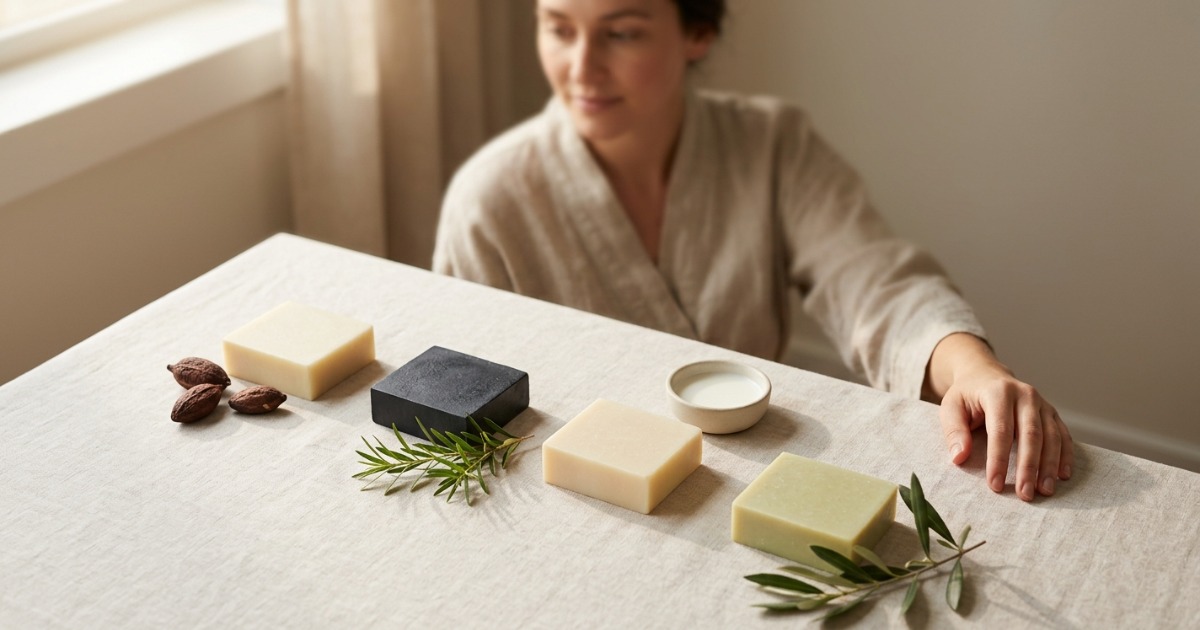
Oatmeal for gentle exfoliation. Honey for humectant properties. Goat milk for creaminess. Activated charcoal for oily skin. Kaolin clay for slip and detoxifying claims. Dried calendula or lavender buds mostly for visual appeal. These aren't just decoration — most add-ins earn their spot.
Ingredients Worth Side-Eyeing
Palm oil unless it's clearly RSPO-certified. Synthetic dyes when a maker refuses to name them. The generic word "fragrance" hiding a proprietary blend that could contain dozens of unlisted compounds. If a label feels vague, ask questions — good makers love talking about their ingredients.
How to Choose the Right Handmade Bar for Your Skin
A bar your friend swears by might leave you tight and flaky. Skin is personal.
For Dry or Mature Skin
Reach for high shea butter, cocoa butter, or avocado oil content. Look for the word "superfatted" — it means extra oils were added beyond what the lye can convert, leaving moisturizing residue on your skin.
For Oily or Acne-Prone Skin
Charcoal bars, tea tree, and clay-based formulas tend to work well. They absorb excess oil without stripping skin so aggressively that it overcompensates.
For Sensitive Skin
Simpler is smarter. Unscented, uncolored, minimal ingredient bars are your safest bet. Goat milk soap is a longtime favorite because the milk proteins tend to be soothing.
For Little Ones
Fragrance-free and gentle. Kids don't need "ocean breeze" scent. A plain olive oil bar or a mild goat milk bar is honestly better.
Curious About Making Your Own? Start Here
Fair warning: soap making is a rabbit hole. Once you try it, you'll probably keep going.
A Beginner's Look at Artisan Lye Soap
Lye — sodium hydroxide — is the essential ingredient that makes soap actually soap. Yes, it's caustic before it reacts. No, it's not present in the finished bar. With basic safety habits (goggles, gloves, ventilation, kids and pets out of the room), natural soap making at home is well within reach.
The Starter Kit You Actually Need
Nothing fancy required:
A digital scale (accuracy matters more than anything)
Stick blender (thrift store finds work great)
Silicone mold
Safety goggles and chemical-resistant gloves
A dedicated stainless steel or heat-safe plastic pot
A thermometer
Don't use aluminum — it reacts with lye. That's the one hard rule.
Your First Handcrafted Bar Soap Techniques
The rough sequence: weigh your oils, weigh your lye and water separately, mix the lye into the water (never the reverse), let both cool to similar temperatures, combine them, blend until "trace" (looks like thin pudding), pour into your mold, and then wait. Four to six weeks of cure time. The waiting part is genuinely the hardest.
Mistakes First-Timers Almost Always Make
Eyeballing measurements instead of weighing. Using a random recipe from a sketchy corner of the internet without running it through a lye calculator. Grabbing the wrong container. Rushing the cure — a young bar is soft, harsh, and burns through fast. Patience pays off here more than anywhere.
How to Store and Get the Most Out of Your Bar
A great bar deserves a little TLC.
Keep It Dry Between Uses
This is the single biggest factor in how long your soap lasts. A wooden or slatted draining dish makes a huge difference. Left in a puddle, even the hardest bar turns to mush in a week.
Where to Store the Extras
Tuck unused bars in your linen closet or dresser drawers. They'll cure further — getting harder and longer-lasting — while quietly perfuming your towels and clothes. Free air freshener.
Signs Your Soap Has Gone Off
DOS — dreaded orange spots — are the telltale sign that the oils have started to oxidize. The bar might smell slightly off, almost crayon-like. It's still usable, technically, but if the smell is strong, retire it.
Roughly What Should You Expect to Pay?
A quick sanity check on pricing.
Why Handmade Costs More Than a Multi-Pack
You're paying for real ingredients bought in small quantities, the maker's time (including a 4-6 week cure), packaging, market fees, and the fact that human hands touched every bar. This isn't a factory operation.
Fair Price Ranges Right Now
Most quality artisan bars land between $6 and $12. Specialty bars — goat milk, shampoo bars, unique botanical blends — can push $14 or higher, often justifiably. If someone's using organic ingredients or premium essential oils, the math checks out.
Red Flags at the Low End
A "handmade" bar priced at $2 is almost certainly a melt-and-pour base someone repackaged, or something bulk-imported and relabeled. Real cold process work priced that low doesn't make economic sense.
FAQ
Q: Is handmade soap really better for your skin?
A: For most people, yes. The biggest reason: natural glycerin stays in the bar — commercial manufacturers extract it and sell it separately. Glycerin pulls moisture toward your skin, which is why handmade bars tend to feel less stripping.
Q: Does handmade soap expire?
A: It doesn't spoil like food, but the oils can eventually go rancid. Most bars are at their best within a year of being made. After that, scents fade and you might notice those orange spots creeping in.
Q: Can I use handmade soap on my face?
A: Absolutely, as long as you pick a gentle bar. Look for something with a lower cleansing number, higher superfat, and moisturizing oils like shea. Avoid heavily fragranced or exfoliating bars on facial skin.
Q: Why is my handmade soap "sweating"?
A: Glycerin is doing its job — pulling humidity from the air. Those little droplets are harmless. Just move the bar to a drier spot and it'll settle down.
Q: Is it safe to make soap at home with kids around?
A: Melt and pour is completely kid-friendly, and honestly a fun weekend project. Cold process involves handling lye, so that stage is adults-only until kids are old enough to properly use safety gear and follow directions.
Q: How long does a handmade bar last compared to a bottle of body wash?
A: With proper drainage between uses, one bar typically lasts a single person three to four weeks. That often outlasts a similarly priced bottle of body wash, especially when you factor in how much wash people pump out per shower.
Q: Are handmade shampoo bars the same as body soap bars?
A: Nope, and this catches people off guard. Shampoo bars use different oil ratios (and sometimes different cleansers entirely) formulated for hair. Using a body bar on your hair usually leaves it waxy or straw-like. Look for something specifically labeled for hair.