

Short answer: yes, they can. Longer answer: it really depends on what you're pouring in, how you use it, and what your plumbing looks like behind the wall.
More people are asking this lately, and for good reason. Bath soaks have gone from occasional treat to weekly ritual in a lot of households. So let's get into the honest details instead of the usual scare tactics.
The Short Answer: Yes, But It Depends
Bath salts on their own aren't a drain's worst enemy. A cup of well-dissolved epsom salt going down with warm water is unlikely to cause trouble. The problems show up around the edges of that ideal scenario.
Coarse salts that never fully break apart, blends packed with oils, and years of casual use with zero maintenance? Different story. The risk is real, but it's rarely the salt acting alone.
Why This Question Matters More Than It Used To
Home spa culture has exploded over the last few years, and plumbers have noticed. Drains that once saw shampoo and soap now handle mineral salts, essential oils, dried flowers, and the occasional handful of glitter.
That shift means residue builds up faster than most people expect. A tub that gets a soak three nights a week is a very different situation from one used twice a month.
What Bath Salts Are Actually Made Of
To understand the risk, you have to know what's actually going down the drain. "Bath salt" is a loose label covering products that behave in wildly different ways.
Epsom Salt vs. Sea Salt vs. Fragrance Blends
Pure epsom salt is magnesium sulfate. Fine-grained, dissolves quickly in warm water, which is why it's the friendliest option for your pipes.
Sea salt is a different animal. Coarse varieties take longer to dissolve, and the chunkier the crystal, the more likely bits settle at the bottom of the tub and slide toward the drain intact.
Then there are the fragrance and "spa" blends. These often mix salt with carrier oils, colorants, and botanicals. They smell wonderful. They're also the most likely group to cause headaches later.
The Sneaky Culprits: Oils, Colorants, and Undissolved Grains
Here's what most articles skip. The salt itself often isn't the villain. It's the extras riding along with it.
Added oils don't dissolve. They float, then coat. Clays and dried petals sink. Glitter is basically tiny plastic that clings to everything. Over weeks, this bath salt residue buildup lines your pipe walls and creates a sticky surface that grabs onto everything else flowing past.
How Bath Salts Can Lead to Drain Trouble
Let's break down the actual mechanics, minus the plumbing jargon.
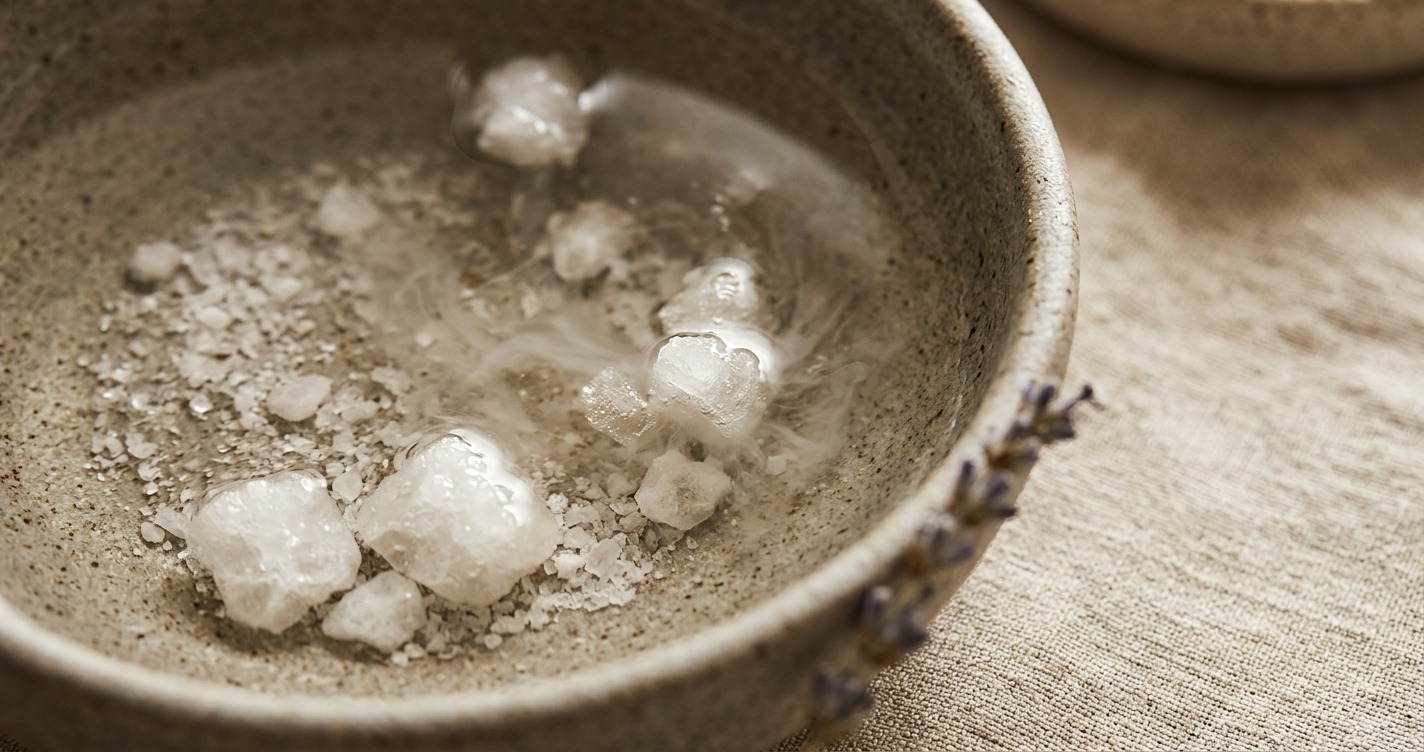
When Salts Don't Fully Dissolve
Dissolving bath salts in water sounds automatic, but temperature and timing decide the outcome. Cold water and last-minute tossing leave gritty crystals sitting at the tub bottom.
When you drain the tub, that grit doesn't just vanish. Some rinses away. Some lingers in the P-trap, the curved section of pipe under the drain where sediment loves to settle.
Do that repeatedly and you build a little reservoir of half-dissolved minerals that hardens over time. Not overnight drama. More of a slow creep.
The Grease and Oil Connection
This is where things get genuinely stubborn. Oils from a fragrance blend combine with the stuff already in your drain: hair, soap scum, dead skin cells, conditioner residue.
Together they form a greasy, cohesive plug that water struggles to push through. Most of the plumbing damage from bath products that plumbers describe starts right here, at the oil-and-debris intersection, rather than with the salt itself.
Can Salt Corrode or Damage Pipes?
The fear that salt eats through your pipes is worth addressing head-on. For modern PVC piping, corrosion basically isn't a concern.
Older metal pipes are a bit more sensitive. Chloride from salt can, over long periods of heavy exposure, contribute to corrosion. The realistic risk is low but not zero, and it only becomes meaningful with concentrated, repeated contact over years. Occasional soaking with diluted salt water isn't going to dissolve your plumbing.
Is Epsom Salt Safe for Your Drain?
Since epsom is what most people reach for, it deserves its own moment.
The Verdict on Epsom Salt Drain Safety
Good news here. When it's fully dissolved, epsom salt drain safety is generally solid. The fine grains break down readily, and there are no clingy oils or bulky additives coming along for the ride.
The caveats are simple. Don't dump undissolved scoops directly into standing water, and don't make it a nightly habit without any rinsing. Dissolved and flushed with warm water, pure epsom salt is about as low-risk as bath products get.
How to Enjoy Bath Salts Without the Clogs
None of this means you have to give up your soak. A few small habits handle most of the risk.
Dissolve First, Soak Second
The single best change: dissolve your salts in a jug or bowl of hot water before they go anywhere near the tub. Pour the solution in, and the grit problem disappears.
It costs you an extra minute and sidesteps the undissolved-crystal issue completely. If you must add salt straight to the tub, do it under running hot water so it dissolves on the way down.
Use a Drain Catch and Rinse Routine
A cheap silicone or mesh drain catch keeps hair and stray bits from ever reaching the pipes. A few dollars, and it does a surprising amount of work.
Pair that with a habit for preventing bathtub drain clogs: after draining the tub, run hot water for 30 seconds to flush residue through before it settles. Quick, boring, effective.
Weekly and Monthly Maintenance Habits
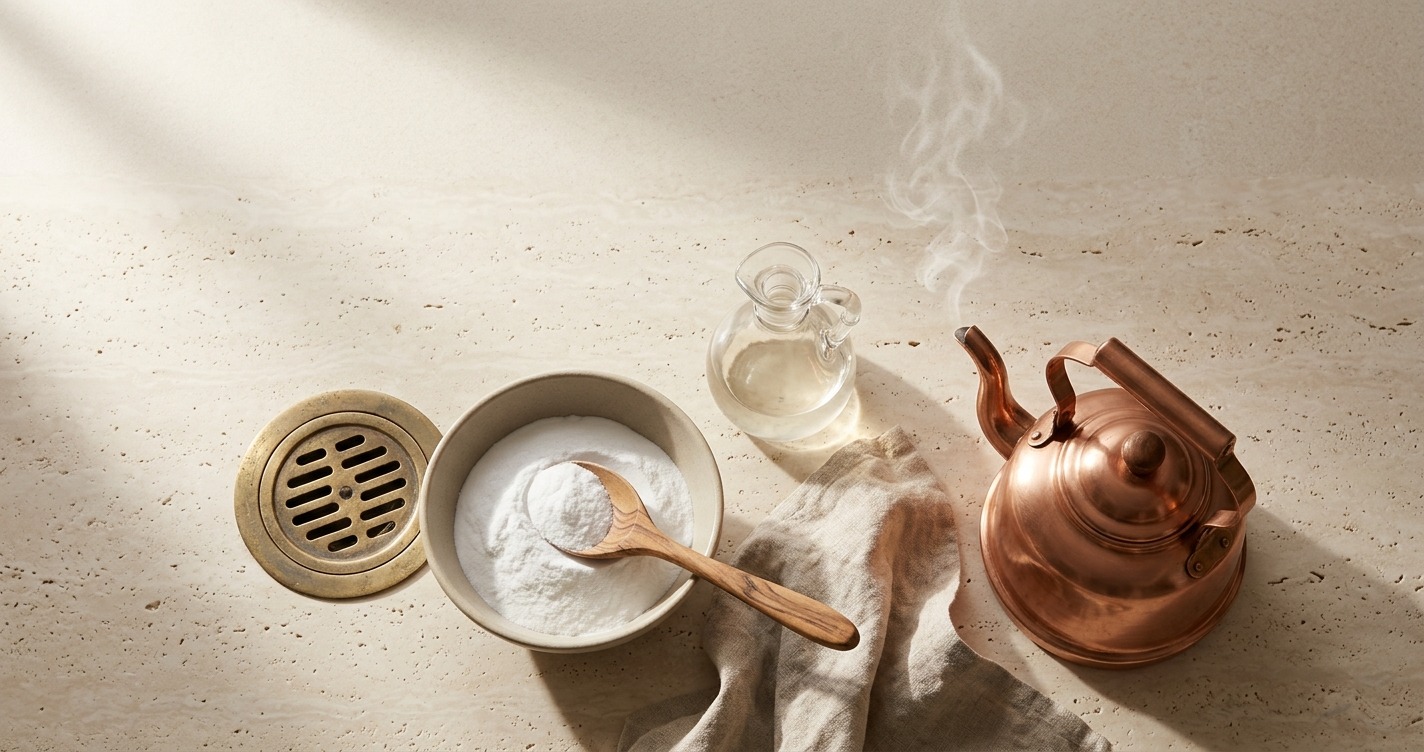
Once a week, pour a kettle of hot (not boiling, if you have PVC) water down the drain to loosen any oily film. Once a month, a baking soda and vinegar flush helps break up early buildup before it turns into a real clog.
Think of it like wiping the counter. Small, regular effort beats one massive cleanup later.
What to Do If Your Drain Is Already Clogged
Maybe you found this article because your tub is draining like molasses. Here's the sensible order of operations.
Safe DIY Fixes to Try First
Start gentle. A few kettles of hot water can melt oily buildup on their own. If that's not enough, pour in half a cup of baking soda, follow with half a cup of vinegar, let it fizz for 15 minutes, then flush with hot water.
A plunger works well on partial clogs, especially with a smear of petroleum jelly on the rim for a better seal. What I'd avoid: reaching straight for harsh chemical drain openers. They can damage older pipes, react unpredictably, and turn a simple job into a hazardous one if a plumber later has to open that pipe.
When to Call a Plumber
Some signs mean it's time to hand it off. If multiple drains back up at once, if water gurgles or rises in unexpected fixtures, or if repeated DIY attempts barely move the needle, the clog is likely deep in the line.
Foul smells that won't clear and recurring slow drainage after cleaning also point to something a snake or professional camera inspection can handle better than a kettle.
Bottom line
bath salts earn their spot in your self-care lineup. Treat your drain with a little respect, dissolve before you soak, rinse when you're done, and that clog you were worried about probably never shows up.
Frequently Asked Questions
Q: Do bath salts dissolve completely in water?
A: Fine salts like pure epsom usually dissolve fully in warm water. Coarse sea salts and additive-heavy blends often leave residue behind, especially in cooler water, which is why pre-dissolving is worth the habit.
Q: Are natural or organic bath salts safer for drains?
A: Not necessarily. "Natural" often means added botanicals, clays, and unrefined oils, all of which are harder on drains than a plain refined salt. Read the ingredient list, not the marketing on the front.
Q: Can I pour leftover bath salt water down the drain?
A: Diluted salt water is generally fine to pour down the drain, particularly if it's mostly dissolved epsom salt. Follow it with a hot water rinse and you'll clear out anything that might otherwise settle.
Q: Will bath salts damage a septic system?
A: Occasional, moderate use of dissolved salts won't harm a healthy septic system. Heavy, frequent salt loads can disrupt the bacterial balance that keeps a septic tank working, so space out your soaks and go easy on additive-rich blends.
Q: How often is too often to use bath salts?
A: There's no hard limit for your plumbing, but daily use with oily blends and no rinsing routine is asking for buildup. A few soaks a week with good dissolving and flushing habits keeps both your skin and your drain happy.