
As someone who's been in the toilet cleaning tablet business for years, this is hands-down the #1 question I get asked. So let me give you the honest, practical answer — from a seller who actually uses these products in my own home every single week.
What Are Toilet Cleaning Tablets, Really?
Before we tackle the safety question, let's clear up what these little blue (or green, or white) tablets actually are. I've had customers assume they're basically pool chlorine in a fancy wrapper — and I get it, that's how they used to be decades ago.
Today's tablets are compact, dissolvable cleaning discs that sit inside your toilet tank. Every time you flush, a small amount of cleaner is released into the bowl. It's a simple idea, but the science behind modern formulas has come a long way.
The Basic Chemistry Behind the Fizz
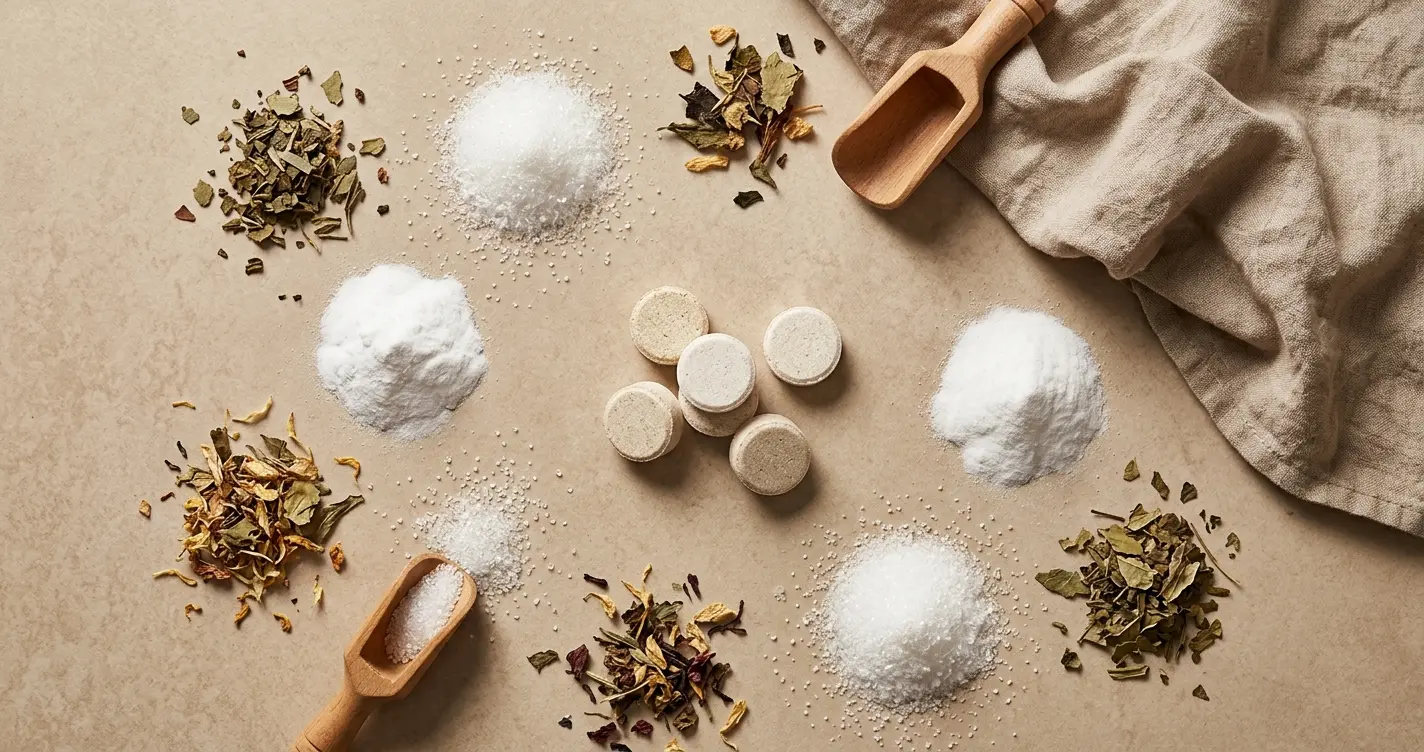
Most tablets I stock today contain a blend of gentle active ingredients: sodium bicarbonate for lifting grime, citric acid to dissolve mineral deposits, plant-based surfactants that break down soap scum, and mild oxidizing agents that keep bacteria in check.
You don't need a chemistry degree to appreciate what's happening — think of it like a slow-release cleaning system that quietly works around the clock, so you don't have to.
Two Main Types: Bleach-Based vs. Non-Chlorine Formulas
There are two main categories you'll see on shelves. Traditional bleach tablets toilet tank users relied on for decades are still around, and they do clean powerfully. But the newer generation — oxygen-based and enzyme formulas — is what most modern sellers (myself included) recommend now.
Why I Personally Steer Customers Toward Non-Chlorine Options
Here's the honest truth: I sell both, but I'll almost always guide first-time buyers toward the gentler formulas. They clean beautifully, they're kind to your tank's internal parts, and they've completely changed the "are they safe?" conversation. When you use a well-formulated non-chlorine tablet, the old worries just don't apply.
So, Are Cleaning Tablets Safe for Toilet Tanks?
Alright, let's get to the answer you came here for.
The Short Answer From a Seller Who's Seen It All
Yes — when you choose the right formula, cleaning tablets are absolutely safe for your toilet tank. In fact, a good tablet can actually help extend the life of your toilet by preventing the mineral buildup that wears down components over time.
Where the "They Ruin Your Toilet" Myth Came From
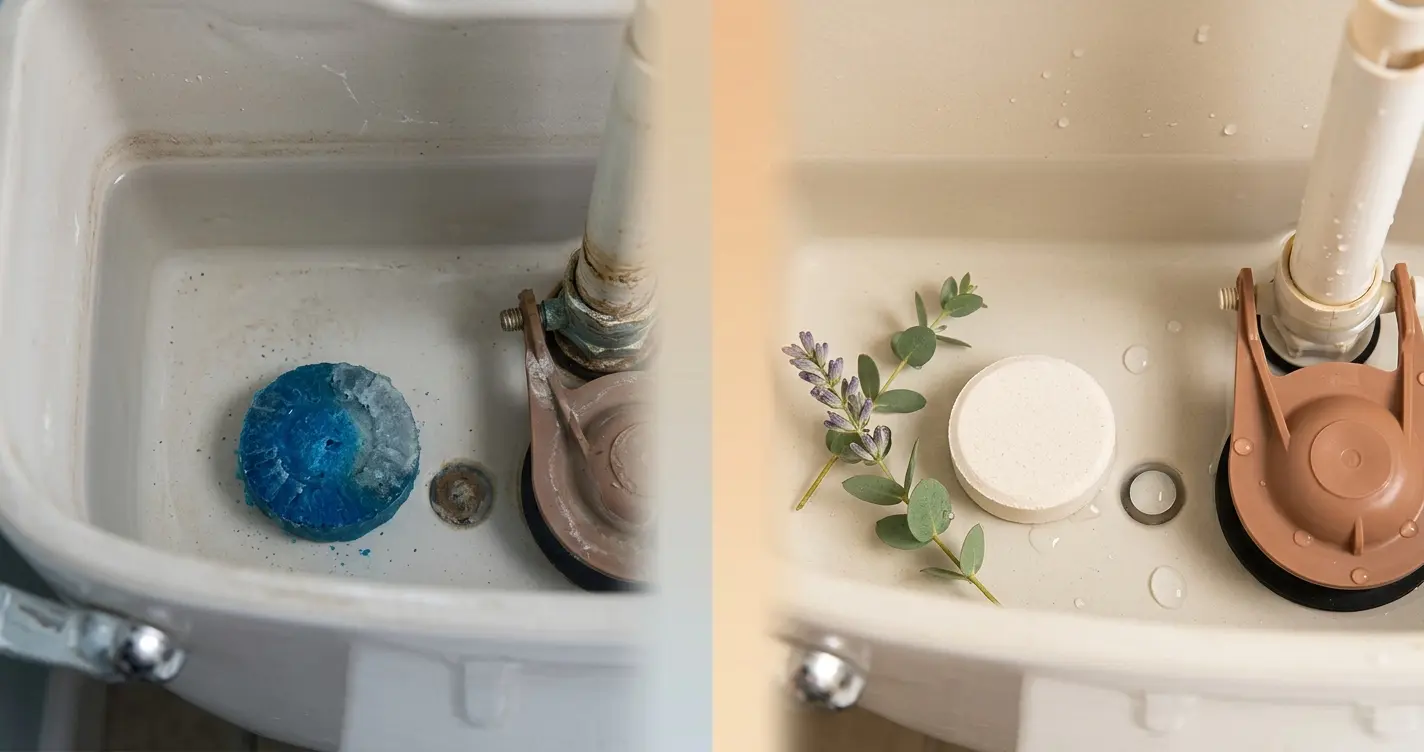
I understand the skepticism. Back in the '90s, some of those old-school chlorine pucks were genuinely harsh. They contributed to rubber flapper deterioration and, in some cases, mild toilet tank corrosion around metal fittings. Those concerns were real — for that generation of product.
The problem is that the reputation stuck around long after the products evolved. So today, when someone tells me "I heard those tablets ruin toilets," I know they're thinking of a version of the product that barely exists anymore.
What Modern Formulas Do Differently
Today's tablets are engineered with pH-balanced ingredients, controlled dissolution rates, and rubber-safe compounds. They release cleaner gradually instead of dumping a concentrated dose into the tank all at once. Many are specifically tested against common flapper and seal materials to make sure they play nicely with your plumbing.
It's genuinely a different product than what your parents may have used.
The Benefits I Wish More People Knew About
Once we get past the safety question, the real conversation begins — because these tablets make life noticeably easier.
Say Goodbye to Weekly Scrubbing
One well-made tablet can keep your bowl fresh and clean for several weeks. That's weeks of not reaching for the toilet brush. For busy households — parents, working professionals, anyone with better things to do — that time back is priceless.
Preventing Mineral Buildup and Stains
Consistent, gentle cleaning does something a once-a-week scrub can't: it prevents hard water stains and calcium deposits from ever forming in the first place. Over the long term, that actually protects both your tank and bowl from the kind of stubborn buildup that shortens a toilet's lifespan.
Fresher Bathroom, Happier Home
This one is underrated. A tablet-treated toilet keeps the whole bathroom smelling cleaner between deep cleans — which means fewer air fresheners, fewer sprays, and a more consistently pleasant space.
Cost-Per-Use That Beats Traditional Cleaners
Let's talk money. A single tablet often lasts 4–6 weeks. Compare that to buying bottles of bowl cleaner every couple of weeks, plus the time spent scrubbing, and tablets come out as one of the most budget-friendly cleaning solutions on the market. My repeat customers tell me this is what keeps them coming back.
How to Choose a Toilet Tablet That's Truly Tank-Safe
Not every tablet on the shelf is created equal. Here's what I tell customers to look for.
Look for "Bleach-Free" or "Color-Safe" Labels
These aren't just marketing terms. "Bleach-free" means the formula uses alternative cleaning agents that are gentler on rubber and metal components. "Color-safe" is a good indicator that the product won't stain porcelain over time either.
Check for Rubber and Metal Compatibility Claims
Reputable brands test their tablets against common flapper, seal, and metal fitting materials. Look for phrases like "safe for tank components," "flapper-friendly," or "won't damage internal parts." If a brand is confident enough to put it on the label, they've usually done the testing to back it up.
Understand the In-Tank Cleaning Tablets Warranty Question
A question I hear often: "Will these void my toilet's warranty?" The honest answer is that some older toilet manufacturer warranties have language about in-tank additives. That's another reason to choose modern, component-safe formulas — and to buy from sellers who stand behind their products with their own satisfaction guarantees. I always tell customers: if a seller isn't willing to guarantee their tablet, that tells you something.
Reading Ingredient Lists Like a Pro
Look for: sodium bicarbonate, citric acid, plant-based surfactants, sodium percarbonate (oxygen bleach), enzymes
Approach with caution: concentrated calcium hypochlorite, trichloroisocyanuric acid (the harsh pool-chemical types)
How to Use Cleaning Tablets the Right Way
Step-by-Step: Dropping in Your First Tablet
Remove the tank lid and set it somewhere safe.
Unwrap the tablet (most modern ones come in dissolvable packaging you can toss right in).
Drop it into the back corner of the tank, away from the flapper and fill valve.
Replace the lid. That's it.
How Often to Replace Them
For a typical household with 2–4 people, one tablet lasts about 4–6 weeks. Larger households or high-traffic bathrooms may go through them faster. I usually recommend replacing when you notice the water in the bowl no longer has that faint blue or green tint after a flush.
Tips for Homes With Well Water or Hard Water
If you're on well water or a hard-water region, tablets are actually even more valuable because they fight mineral buildup continuously. Consider replacing tablets slightly more often — every 3–4 weeks — for the best results.
What to Do Before a Long Vacation
Here's a pro tip I share with customers heading out of town: drop in a fresh tablet the day before you leave. When you come home, your toilet will smell as fresh as when you left, with none of that stagnant-water odor.
What the Industry Is Saying
Growing Consumer Demand for Gentler Cleaning Solutions
The broader household cleaning market has been shifting hard toward eco-friendly, component-safe products, and toilet tablets are right in the middle of that trend. Consumers today want cleaning power without harsh trade-offs — and manufacturers have responded.
Innovations in Tablet Formulation
Recent advancements have made modern tablets safer and more effective than ever: slow-release technology that ensures even dosing, plant-based surfactants that clean powerfully without harshness, and biodegradable packaging that dissolves cleanly in the tank. As a seller, I've watched product quality improve year after year — and my customers notice it too.
Final Thoughts
Here's what it comes down to. The old fears about toilet tablets were based on old products. Today's tablets — the ones I sell, the ones I use in my own bathroom, the ones I recommend to my mother-in-law — are safe, gentle, and genuinely effective.
When you choose a quality modern tablet, you're not gambling with your toilet. You're getting weeks of hands-off cleaning, protection against mineral buildup, a fresher bathroom, and one less chore to think about. That's a pretty great trade.
So if you've been on the fence, I hope this helped. Pick a reputable brand, look for the labels I mentioned, and give it a try. I'm confident you'll wonder why you waited so long.
FAQ
Q: Will cleaning tablets damage my rubber flapper?
A: Not if you're using a modern, bleach-free or rubber-safe formula. The toilet tank cleaner damage concerns from decades past came from harsh chlorine pucks. Today's tablets are formulated specifically to be compatible with rubber and silicone components, so your flapper stays in great shape.
Q: Are bleach tablets safe if I already have them at home?
A: If you already have older-style bleach tablets, you can absolutely finish them — just check your flapper condition every few months. When you're ready to restock, I'd recommend switching to a modern non-chlorine formula for peace of mind and long-term component protection.
Q: Can I use tablets with a septic system?
A: Yes, as long as you choose a tablet specifically labeled "septic-safe." Enzyme-based and oxygen-based formulas are typically septic-friendly because they don't disrupt the beneficial bacteria in your septic tank. Always check the label to be sure.
Q: Do tablets work in older toilets?
A: They work great in older toilets, and I'd argue they're even more useful there because older fixtures are more prone to mineral buildup. Just double-check that your tank components are in good condition first — if your flapper is already brittle from age, replace it before adding any in-tank cleaner.
Q: Are they safe around pets and kids?
A: Because tablets sit inside the tank (not the bowl), they're naturally out of reach. Just store unused tablets in a high, closed cabinet — the same way you would any other cleaning product. Once dissolved and diluted in the tank water, the concentration is very low.
Q: How long does one tablet actually last?
A: Realistically, 4–6 weeks for the average household. Homes with heavier use or harder water may see closer to 3–4 weeks. Either way, that's still weeks of hands-off cleaning per tablet.
Q: Can I combine tablets with other cleaners?
A: You can absolutely use your regular bowl cleaner or brush as a supplement — just never mix different chemical products directly. Specifically, never combine a chlorine-based tablet with an ammonia-based cleaner. If you're using a modern non-chlorine tablet, you have a lot more flexibility, which is another reason I recommend them.