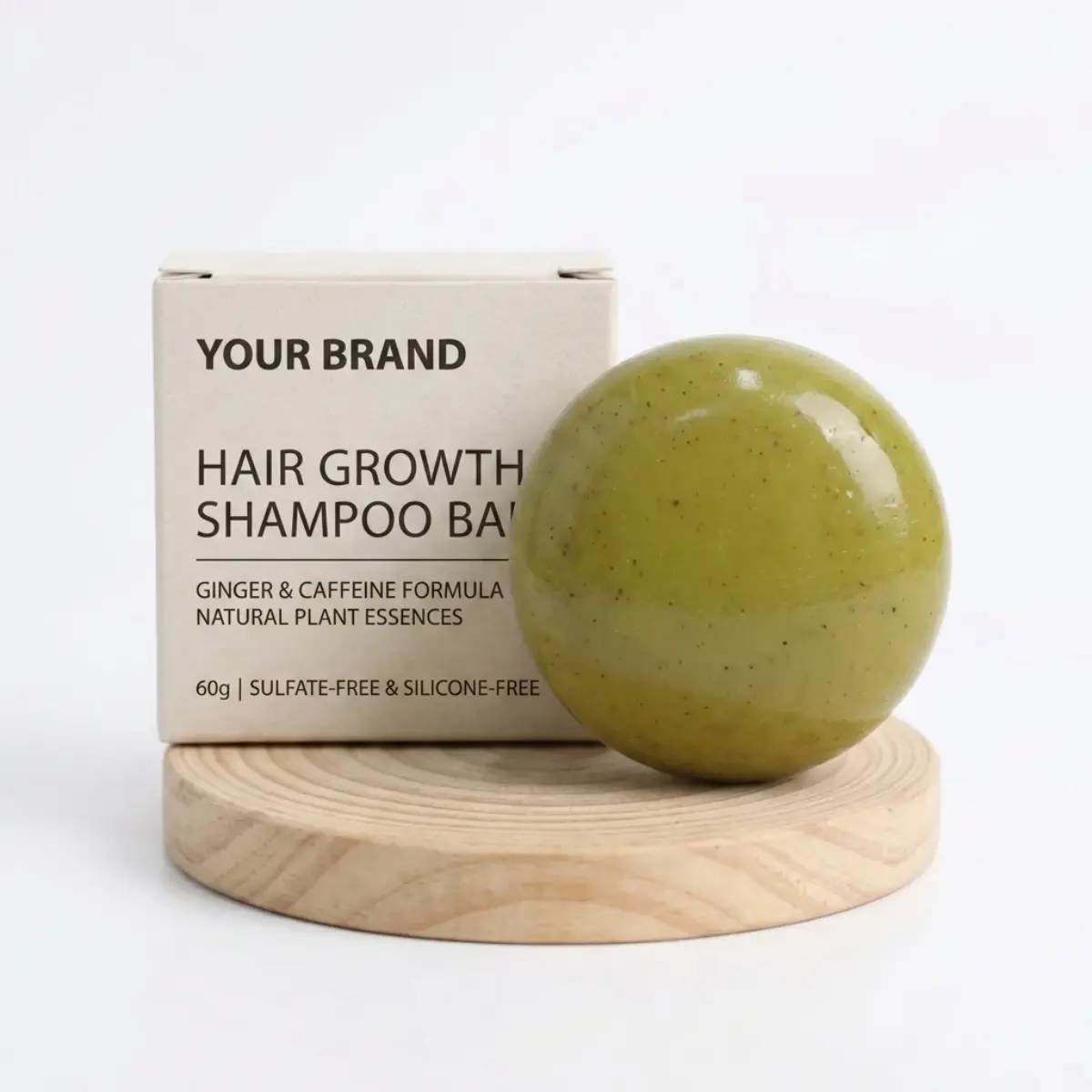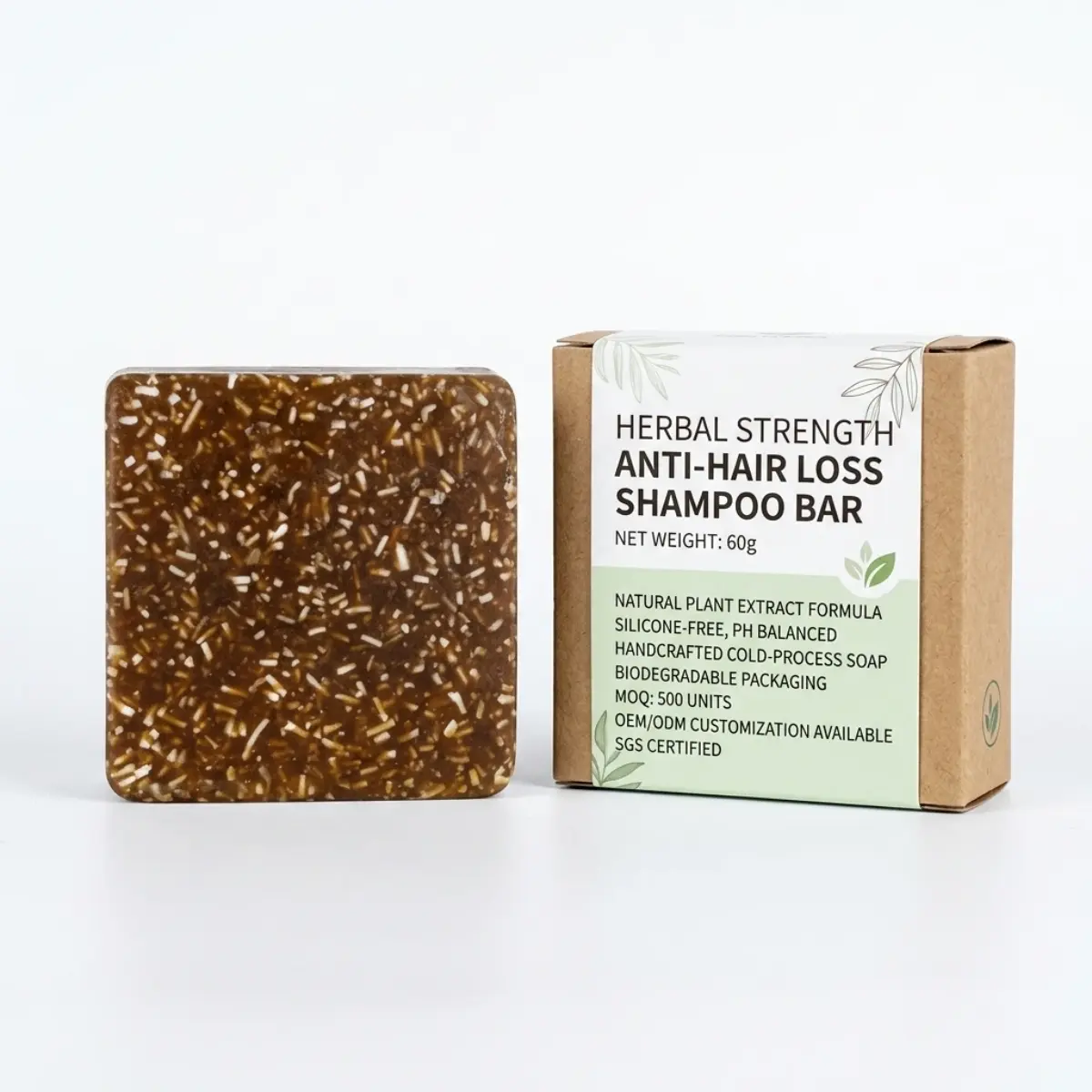

Struggling to formulate solid shampoo for dry hair? Get the science, ingredients & OEM roadmap for sulfate-free bars that soften, shine & repurchase.
Dry hair is one of the most persistent consumer concerns in the personal care market, yet it remains one of the hardest hair states to address in solid format. As demand for sulfate-free solid shampoo for dry damaged hair continues to climb, brands entering this segment quickly discover that a generic shampoo bar recipe rarely delivers the softness, slip, and shine that dry-hair consumers expect.
This guide is written for formulators, product developers, and sourcing teams. It covers the science of dry hair, ingredient selection, hair-type targeting, and a practical OEM/ODM roadmap for building a moisturizing shampoo bar line that performs and repurchases well.
Introduction: Why Dry Hair Demands a Different Solid Shampoo Formula
The shift toward solid shampoo has been driven by sustainability, travel convenience, and plastic-free positioning. But early-generation bars were often built on high-foaming soap or aggressive surfactant systems that suited oily and normal hair far better than dry hair.
Dry hair lacks both moisture and lipids, so a cleanser that strips too efficiently leaves the cuticle rough, frizzy, and dull. For brands, the opportunity lies in formulating a hydrating natural shampoo bar that cleanses gently while depositing conditioning agents. Formulation nuance—not marketing language—is what separates a repeat-purchase product from a returned one.
Understanding Dry Hair: Characteristics and Root Causes
Before selecting ingredients or product positioning, it is essential to understand what dry hair actually is at the fiber level. This technical foundation informs every downstream formulation decision.
Common Traits of Dry Hair
Dry hair typically shows dehydration, frizz, tangling, brittleness, and a noticeable lack of shine. The cuticle scales lift rather than lie flat, which scatters light and increases friction between strands.
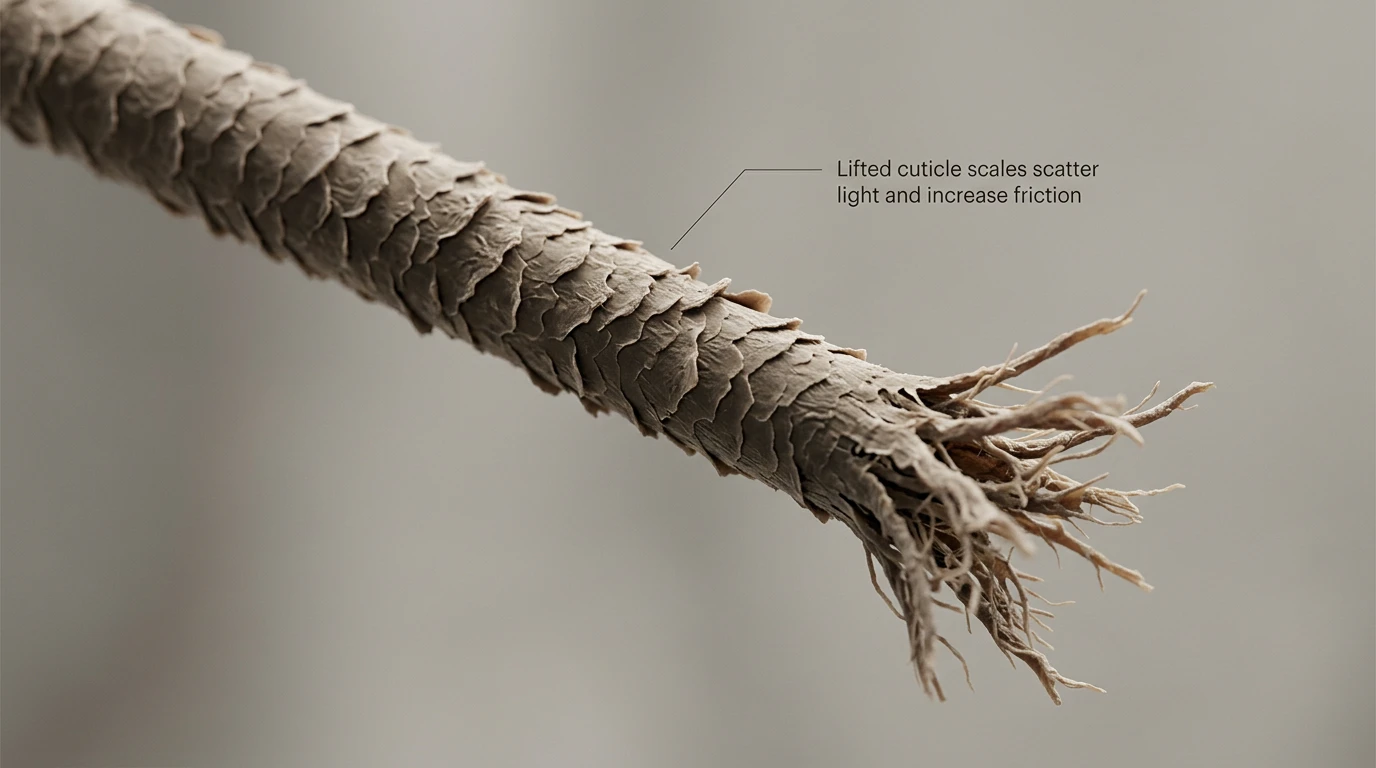
This lifted-cuticle state is why dry hair tangles easily and feels rough. Any effective formula must help those cuticle scales lie flatter after washing.
Internal vs. External Causes of Dryness
Internal factors include genetics, hair porosity, and reduced natural sebum production. High-porosity hair, for example, absorbs and loses water rapidly, making moisture retention a formulation priority.
External causes include heat styling, chemical services such as coloring and perming, UV and environmental exposure, hard water, and over-cleansing. Understanding which cause dominates a target audience helps a brand decide between a hydrating, repair, or nourishing positioning.
Why Standard Shampoo Bars Often Fail Dry Hair
Many conventional bars rely on high-cleansing anionic surfactant systems or true soap chemistry. These strip the hydrolipidic layer that protects the hair shaft and scalp, leaving hair squeaky but tight and brittle.
Soap-based bars in particular tend to have a high pH, which further roughens the cuticle. A dry-hair bar needs a milder, pH-balanced approach with built-in conditioning.
What to Look for in a Shampoo Bar for Dry Hair
Whether you are benchmarking competitors or evaluating your own lab samples, a structured decision framework keeps assessment objective. Below are the five pillars of a strong hydrating natural shampoo bar.
Core Evaluation Criteria
Moisturizing & Hydrating Capacity
The bar must both attract water and help hair hold it. This is measured through combability, moisture-retention testing, and sensory softness after drying.
Gentle, Sulfate-Free Cleansing
A sulfate-free shampoo bar for dry hair protects the hydrolipidic layer while still removing dirt and buildup. Mild amino-acid or isethionate-based surfactants clean effectively without over-degreasing.
Conditioning & Detangling Performance
Cationic conditioning agents such as behentrimonium methosulfate deposit onto damaged, negatively charged sites on the fiber. This provides slip, reduces breakage during combing, and improves wet detangling.
Post-Wash Softness & Shine
These are the outcomes the end user actually feels. Measurable smoothness, reduced frizz, and light reflection drive perceived quality and repurchase.
Fragrance & Sensory Experience
Scent, lather feel, and how the bar glides during use all shape the perceived value of the product. For dry and sensitive scalps, fragrance should be balanced and skin-safe.
Table 1 — Evaluation Criteria Scoring Matrix
| Criterion | Why It Matters | What to Test For | Priority for Dry Hair |
|---|---|---|---|
| Moisturizing capacity | Restores lost water and lipids | Post-dry softness, moisture retention | High |
| Sulfate-free cleansing | Protects hydrolipidic layer | Foam quality, non-stripping feel | High |
| Conditioning & detangling | Reduces friction and breakage | Wet/dry combability | High |
| Softness & shine | Drives perceived quality | Sensory panel, light reflection | Medium-High |
| Fragrance & sensory | Influences repurchase | Scent stability, scalp tolerance | Medium |
Best Ingredients for a Moisturizing Shampoo Bar for Dry Hair
Ingredient selection is where a dry-hair bar succeeds or fails. The goal is to combine emollients that seal moisture, humectants that draw it in, and proteins that reinforce the fiber.
Emollient & Occlusive Oils
This category locks moisture into the hair and smooths the cuticle surface. Balance is critical—too much oil weighs hair down, too little leaves it dry.
Coconut Oil
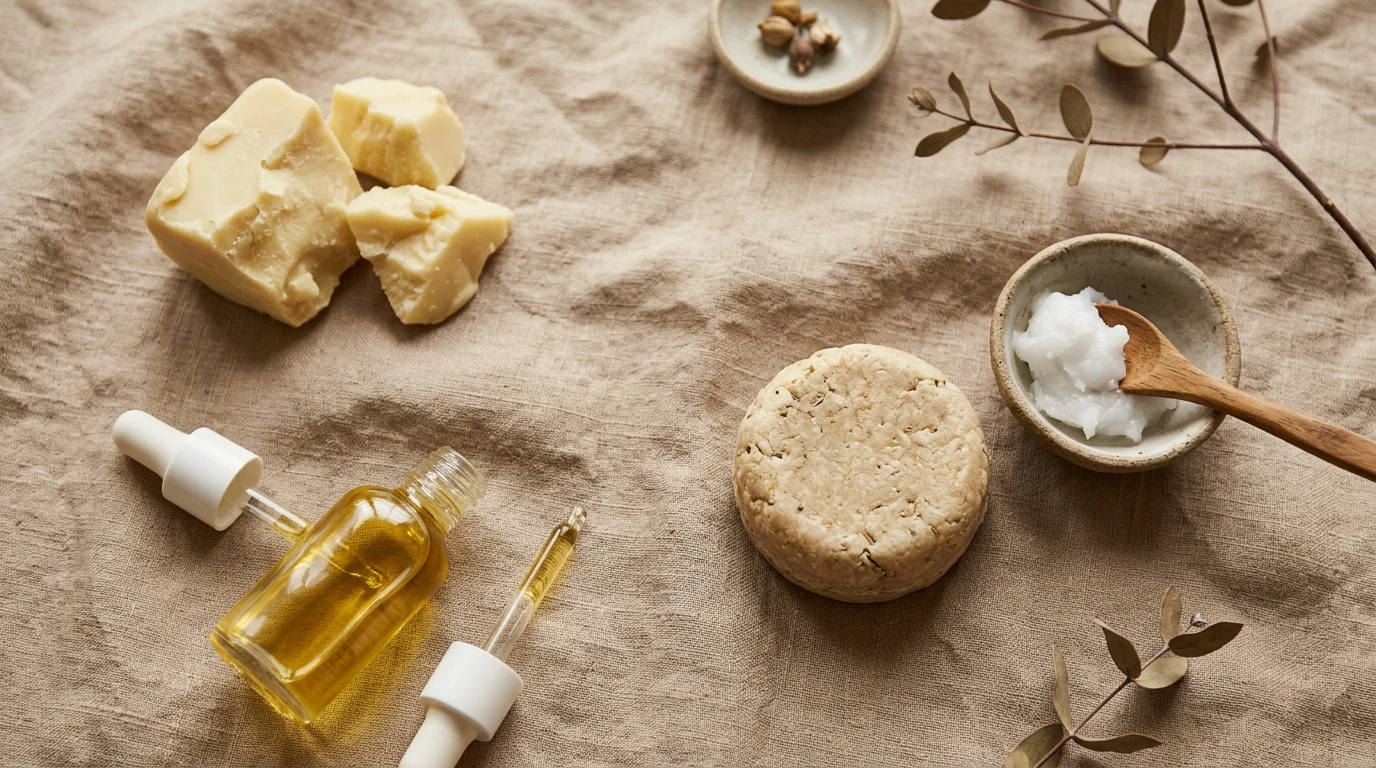
Coconut oil contains lauric acid with a molecular profile that penetrates the hair shaft rather than just coating it. This helps reduce protein loss during washing, which is valuable for fragile, dry strands.
Shea Butter
A nourishing shampoo bar with shea butter delivers rich fatty acids and a creamy, cushioned feel. Shea butter excels at softening coarse, dry, and curly textures and improving manageability.
Argan Oil & Botanical Oils
Argan oil offers lightweight nourishment, vitamin E, and shine without heaviness. Complementary botanical oils such as jojoba, sweet almond, and marula can be blended to fine-tune slip and gloss.
Humectants & Soothing Actives
Humectants attract and bind water, which is the core of any hydrating shampoo bar formula. Pairing them with occlusives prevents the drawn-in moisture from evaporating.
Aloe Vera
Aloe vera provides hydration and calms a stressed or itchy scalp. Its polysaccharides form a light, breathable film that supports moisture balance.
Rice Protein / Rice Water
Rice protein and rice water contribute strengthening and smoothing benefits, temporarily filling gaps in the cuticle. This improves body and reduces breakage—useful for damaged, dry hair.
Table 2 — Key Ingredients, Functions & Ideal Usage Levels
| Ingredient | Primary Function | Best For | Typical Inclusion % |
|---|---|---|---|
| Coconut oil | Penetrating emollient, protein retention | Dry, brittle hair | 2–6% |
| Shea butter | Rich emollient, softening | Coarse, curly, very dry hair | 3–8% |
| Argan oil | Lightweight shine and nourishment | All dry hair types | 1–4% |
| Aloe vera | Humectant, scalp soothing | Dry scalp + dry hair | 1–5% |
| Rice protein | Strengthening, smoothing | Damaged, color-treated hair | 1–3% |
Inclusion levels are indicative ranges; final percentages depend on the full formula, surfactant system, and stability testing.
How to Choose Based on Different Dry Hair Types
Dry hair is not a single condition. Segmenting the audience lets a brand build a targeted product line rather than one compromise bar that suits no one perfectly.
Normal Dry Hair
This baseline segment needs steady moisture and gentle cleansing without heavy oil deposition. A balanced moisturizing formula with argan oil and aloe is usually ideal.
Damaged / Color-Treated & Chemically Processed Hair
These consumers want the best shampoo bars for dry damaged hair with a repair focus. Protein-rich systems combined with cationic conditioners help rebuild strength and reduce breakage at chemically weakened sites.
Frizzy Hair
Frizz comes from a lifted cuticle and uneven moisture. Smoothing emollients and slip agents that flatten the cuticle deliver the anti-frizz result these users seek.
Curly Dry Hair
Curls are naturally drier because sebum travels down the fiber slowly. Hydrating shampoo bars for curly dry hair should be rich in humectants and butters to support definition, elasticity, and clump formation without stripping.
Dry Scalp + Dry Hair Combination
A natural shampoo bar for dry scalp must soothe the skin while conditioning the lengths. Aloe vera, gentle surfactants, and a balanced pH address both concerns without triggering flaking or tightness.
Table 3 — Hair Type vs. Recommended Formula & Hero Ingredients
| Hair Type | Recommended Formula | Hero Ingredients |
|---|---|---|
| Normal dry | Moisturizing | Argan oil, aloe vera |
| Damaged / color-treated | Repair | Rice protein, coconut oil |
| Frizzy | Smoothing / hydrating | Shea butter, botanical oils |
| Curly dry | Nourishing / hydrating | Shea butter, aloe, humectants |
| Dry scalp + dry hair | Soothing hydrating | Aloe vera, gentle surfactants |
Shampoo Bar Types Best Suited for Dry Hair Products
Positioning a bar within a clear product category helps consumers self-select and gives brand catalogs a coherent structure.
Moisturizing Shampoo Bar
The everyday hydration workhorse, suitable for normal dry hair. It balances gentle cleansing with reliable softness and is often the anchor product of a line.
Nourishing Shampoo Bar
Richer and more oil-forward, this type targets very dry, coarse, or curly textures. Shea butter and blended botanical oils are typical heroes.
Repair Shampoo Bar
Built around proteins and conditioning agents, the repair bar addresses breakage and chemical or heat damage. It suits color-treated and over-processed hair.
Hydrating Shampoo Bar
Humectant-driven and focused on water-retention claims, this format appeals to consumers who describe hair as dehydrated rather than damaged.
Formulation Red Flags: What May Not Suit Dry Hair
Knowing what to avoid is as important as knowing what to include. These red flags routinely appear in bars that underperform on dry hair.
Excessive Cleansing Strength
An overload of harsh anionic surfactants produces big lather but strips too much lipid. High foam is not a proxy for good cleansing on dry hair.
Over-Degreasing & Post-Wash Tightness
If hair feels squeaky, tight, or straw-like after rinsing, the formula is degreasing beyond what dry hair can tolerate. This is a clear signal to reduce cleansing power and increase conditioning.
Overly Harsh or Irritating Ingredients
High-pH soap systems, high levels of sensitizing fragrance, and drying alcohols can irritate a dry scalp and roughen the cuticle. Sensitive-scalp consumers are especially reactive to these.
Developing a Dry Hair Shampoo Bar: A Brand's Playbook
For brands moving from concept to shelf, a disciplined development sequence reduces cost, sampling cycles, and time to market. The following roadmap reflects a practical OEM/ODM workflow.
Step 1: Define the Target Hair Type & Market Positioning
Decide which dry-hair segment you serve—normal dry, curly, damaged, or dry scalp—and in which markets. Positioning drives every ingredient and claim decision that follows.
Step 2: Select Core & Hero Ingredients
Choose a mild surfactant base, then build the active narrative around one or two heroes such as shea butter or rice protein. A focused story communicates better than a long, diluted ingredient list.
Step 3: Fragrance Strategy
Balance scent appeal with sensitive-scalp tolerance. Vegan, skin-safe fragrance options and lower-allergen profiles broaden the addressable audience.
Step 4: Formula & pH Optimization
Target a mildly acidic pH to keep the cuticle smooth, and validate hardness, lather, rinse-off, and shelf stability. Stability testing prevents cracking, sweating, or rancidity over the product's life.
Step 5: Appearance & Packaging Design
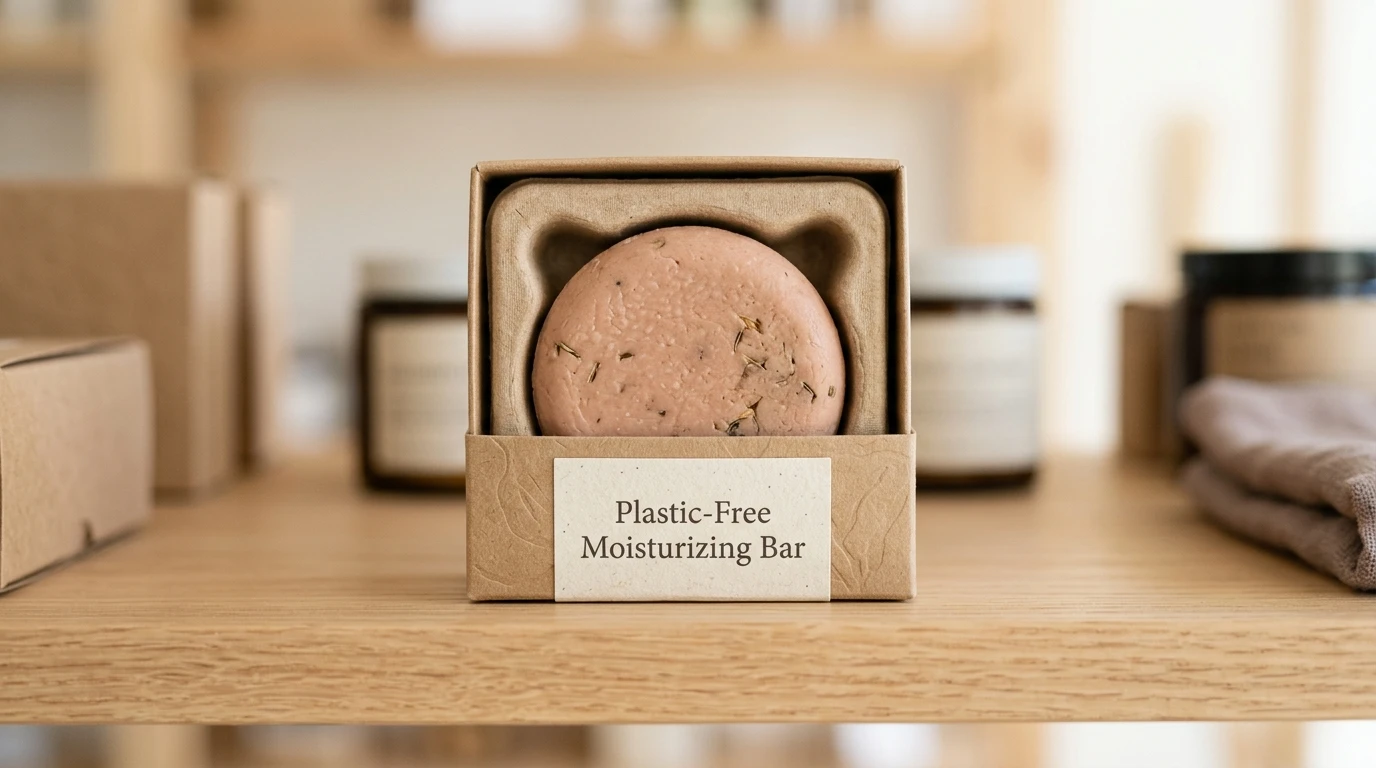
Color, shape, custom molds, and plastic-free packaging communicate quality and sustainability at shelf. Visual differentiation supports premium pricing in a crowded category.
Step 6: Choosing an OEM/ODM Partner
Evaluate partners on MOQ, sampling speed, certifications, and scalability. Established manufacturers—such as those operating GMP-, ISO-, FDA-, and SMETA-certified facilities with low MOQs and fast sampling—reduce risk for both new and scaling brands.
Table 4 — OEM vs. ODM Development Comparison
| Factor | OEM | ODM | Best For |
|---|---|---|---|
| Formula ownership | Brand supplies specs | Manufacturer provides existing formula | OEM: unique concepts; ODM: fast launch |
| Development time | Longer | Shorter | ODM for speed to market |
| Customization | Very high | Moderate | OEM for differentiation |
| Upfront cost | Higher | Lower | ODM for lean budgets |
Call to Action: Looking for a Custom Shampoo Bar for Dry Hair?
If you are ready to develop a moisturizing shampoo bar line tailored to your target audience, partnering with an experienced OEM/ODM manufacturer turns strategy into shelf-ready product. With high customization, vegan and cruelty-free formulation options, custom molds, low MOQs from 1,000 units, samples in 7–14 days, and bulk lead times of 25–30 days, your dry-hair concept can move quickly from brief to launch.
- Request a Sample — Test formulation quality and performance firsthand.
- Get a Quote — Start your custom OEM/ODM project today.
Frequently Asked Questions
Q: Are shampoo bars good for dry hair?
A: Yes—when correctly formulated. A well-built bar with gentle surfactants, emollient oils, and conditioning agents can cleanse without stripping and leave dry hair softer than many liquid shampoos. The key is avoiding harsh, high-pH soap-based bars.
Q: What ingredients are best for dry hair?
A: The strongest performers combine emollients like coconut oil, shea butter, and argan oil with humectants such as aloe vera and strengthening actives like rice protein. Together they seal, hydrate, and reinforce the hair fiber.
Q: Can a shampoo bar moisturize dry hair?
A: It can. A hydrating format uses humectants to attract water and occlusive oils to lock it in, while cationic conditioners deposit onto the cuticle for lasting slip and softness after rinsing.
Q: How often should dry hair be washed with a shampoo bar?
A: Most dry-hair consumers do best washing two to three times per week, allowing natural oils to nourish the lengths between washes. Very dry or curly hair may benefit from even less frequent cleansing paired with a rich, moisturizing bar.