
Walk down any drugstore aisle lately and you'll notice something odd: little round pucks wrapped in cardboard sitting where the plastic bottles used to be. Conditioner bars have gone from niche zero-waste curiosity to something your cousin now swears by. But do they actually work, or is this just another trend riding on pretty packaging?
This is a straight answer for regular shoppers, not a sales pitch. We'll cover who these bars genuinely suit, where they let people down, and how to avoid the mistakes that make folks give up after one wash.
What Exactly Is a Conditioner Bar?
At its simplest, a conditioner bar is your usual creamy conditioner with most of the water taken out and the rest pressed into a solid shape. Think of it as a concentrated version of what already lives in your shower.
The Basic Idea Behind Solid Conditioner
Regular bottled conditioner is somewhere between 70% and 90% water. You're paying to ship and store all that water, and it needs a plastic bottle to hold it. A bar strips that water out and locks the conditioning agents, oils, and butters into a dense format.
Brands have pushed this hard over the past few years, partly for sustainability optics and partly because the format travels well and lasts a surprisingly long time. The concentrated approach isn't new in manufacturing circles, though. Contract producers have been pressing solid personal care products for years, and the same forming and blending techniques used for bath bombs and shower steamers translate directly to solid conditioners.
Conditioner Bar vs Liquid Conditioner: The Real Differences
Here's where the solid conditioner vs liquid conditioner debate gets practical. Concentration is the headline. A good bar delivers a heavier dose of active conditioning per gram than a squirt from a bottle, so you often need less product than you'd expect.
Packaging is the obvious win, since a bar usually comes in paper or a small tin rather than plastic. Travel is another one. A solid bar sails through airport security with zero liquid restrictions and no leak risk in your bag.
Cost per use is trickier. A bar can look pricey up front, but many last two to three times longer than a similarly priced bottle when used correctly. The catch is that "used correctly" does real work in that sentence, and we'll get to it.
So, Are Conditioner Bars Actually Good For Your Hair?
The Short Answer
Yes, for most people, with a few caveats worth knowing before you commit. The formula inside a decent bar can condition just as well as a bottle. The reason so many first-timers feel let down usually comes down to technique and water quality, not the product itself.
Conditioner Bar Benefits for Hair
The main draw is moisture. Because the water is removed, what's left is a denser mix of emollients and conditioning agents, so the conditioner bar benefits for hair often show up as better moisture retention on dry ends.
You also tend to get less buildup from fillers. Many bars skip the thickeners and volumizing agents that bottled formulas rely on to feel luxurious, which means fewer things coating your strands over time.
And there's a control factor people underrate. Rubbing a bar directly onto the mid-lengths and ends lets you target where your hair actually needs conditioning, instead of slathering everything from root to tip out of habit.
The Honest Downsides Nobody Mentions
There's a genuine learning curve. The first two or three washes often feel wrong, either too slippery or not slippery enough, while you figure out how much product your hair wants.
Hard water is the quiet villain here. Minerals in your tap water can react with certain conditioning agents and leave hair feeling waxy or coated, and this affects bars more noticeably than bottles in some cases.
Then there's the adjustment period for your scalp and hair, sometimes called the "transition." If you're switching away from silicone-heavy products, your hair may feel odd for a week or two while the residue clears. That's not the bar failing. That's your hair recalibrating, and most competitor articles skip right past it.
Do They Work For Your Hair Type?
There's no single verdict that fits everyone, so it helps to find yourself in one of these groups rather than trusting a blanket recommendation.
Dry, Damaged, or Color-Treated Hair
This is where bars tend to shine. The concentrated oils and butters give thirsty hair a lot to work with, which is why people hunting for the best conditioner bars for dry hair often land on formulas built around shea butter, cocoa butter, or cetyl alcohol.
If your hair is chemically processed or fragile, a gentle sulfate-free conditioner bar for damaged hair paired with a matching sulfate-free wash can reduce the stripping that leaves color looking dull. Look for bars that name their conditioning agents plainly rather than hiding behind vague "nourishing complex" language.
Fine, Oily, or Combination Hair
Fine hair can absolutely use bars, but application matters more here. Keep the product to the ends and lower lengths, avoid the scalp entirely, and rinse thoroughly. Otherwise the density that dry hair loves will leave fine hair limp.
If your scalp runs oily, treat the bar as an ends-only product and use it every other wash rather than daily. A lighter formula built on liquid oils rather than heavy butters tends to behave better.
Curly and Textured Hair
Curly and coily hair cares about slip, the slippery quality that lets fingers glide through knots. Some bars deliver plenty. Others feel grippy. Read reviews from people with your texture specifically.
Many curly-haired users get the best results by using a bar for a base layer of conditioning, then sealing with a leave-in cream or oil afterward. Bars rarely replace a full curly routine on their own, and that's fine.
How to Use a Conditioner Bar the Right Way
Most complaints trace back to technique, so learning how to use a conditioner bar properly solves the majority of "it didn't work for me" reviews.
Step-by-Step Application
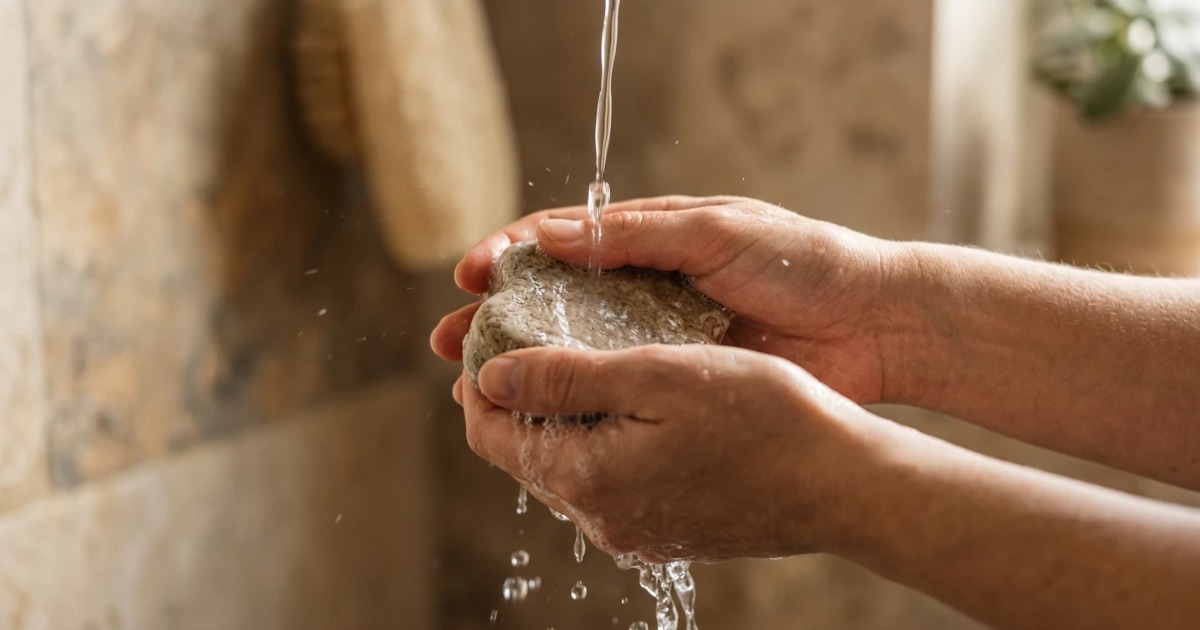
After shampooing, gently squeeze excess water from your hair so it's damp, not dripping. Stroke the bar directly along your mid-lengths and ends three to five times, or rub it between your palms first and apply the product from there if you prefer more control.
Work it through with your fingers or a wide-tooth comb so it coats evenly. Let it sit for one to three minutes, longer if your hair is very dry, then rinse until the water runs clear.
Common Mistakes to Avoid
Under-applying is the big one. People are so worried about greasy hair that they barely touch the bar to their strands, then conclude it doesn't condition.
Applying to the scalp first is another. Start at the ends, which are the oldest and most damaged part of your hair, and let any leftover product drift upward rather than the reverse.
Skipping the rinse check causes waxy buildup. Run your fingers through while rinsing until there's no more slip left behind, especially if you're in a hard-water area.
Storage and Making It Last
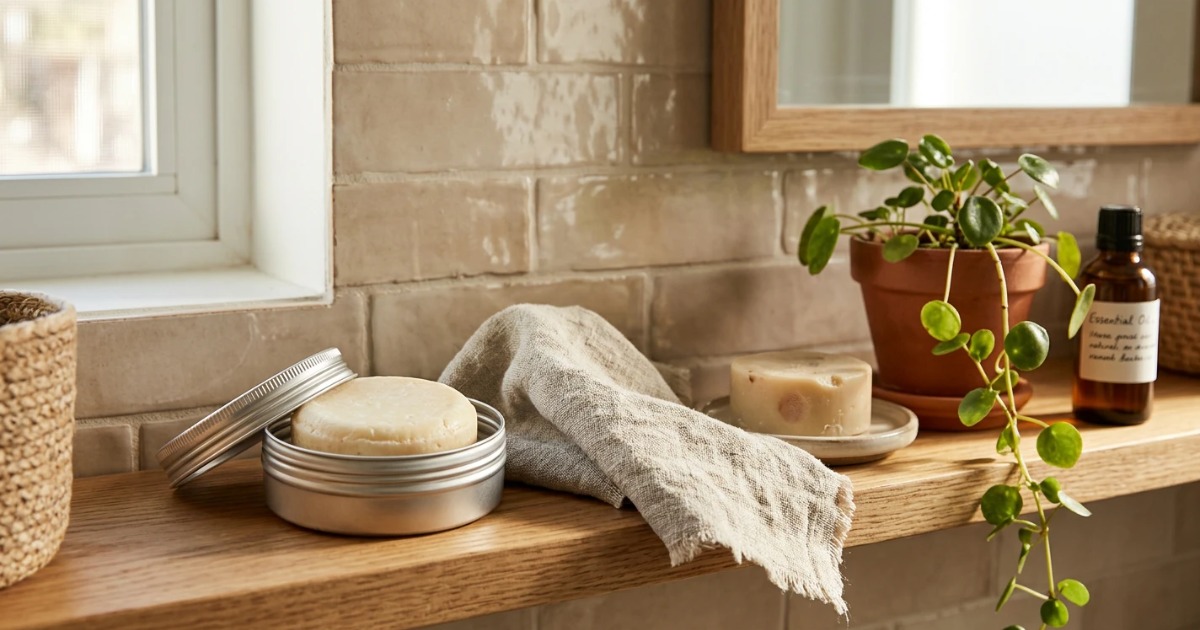
A bar that sits in a puddle turns to mush fast. Keep it on a draining dish or a slatted holder away from the direct shower stream, and let it dry between uses.
Stored well, a single bar commonly lasts anywhere from six weeks to a few months depending on hair length and how often you wash. That's roughly the lifespan of two to three standard bottles for many users, which is where the cost math starts to favor bars.
What to Look For When Buying One
Ingredients That Matter
Scan for the conditioning backbone first. Ingredients like behentrimonium methosulfate (gentler than the name suggests), cetyl alcohol, and stearyl alcohol are the workhorses that actually soften and detangle.
Then look at the nourishing extras: plant oils, shea or cocoa butter, and humectants like glycerin. When a label says "sulfate-free," it's telling you the paired cleansing routine avoids harsh detergents, which mainly matters for color-treated and sensitive scalps rather than the conditioner itself.
Reading the Label Without Getting Fooled
Question vague hero claims. "Infused with botanicals" means little if those botanicals sit near the bottom of the ingredient list, since ingredients are ordered by quantity.
Watch for greenwashing too. A cardboard wrapper doesn't automatically make a product clean or effective, and words like "natural" carry no regulated definition in most markets. Reputable makers, especially those manufacturing under recognized GMP, ISO, or FDA standards, tend to disclose full ingredient lists and back their claims with actual certifications rather than just leafy graphics.
The Sustainability Angle: Hype or Real?
The plastic reduction is genuine, at least on paper. A bar in a paper wrap avoids a bottle, a cap, and a pump, and shipping concentrated solids means less water hauled across the world.
That said, the impact scales with your habits. Buying a bar and then wrapping it in extra plastic, or tossing it half-used because you disliked the transition period, cancels out much of the benefit. Packaging trends heading through 2026 lean toward minimal, recyclable, or compostable wraps, but the honest takeaway is that the biggest environmental win comes from actually finishing what you buy, not from the format alone.
Frequently Asked Questions
Q: How long does one conditioner bar last?
A: Most bars last six weeks to three months, though very short hair or infrequent washing can stretch that further. The single biggest factor is storage. A bar that dries out between uses lasts far longer than one left sitting in water.
Q: Can I use a conditioner bar every day?
A: You can, especially on dry or textured hair, as long as you keep the product on the ends and rinse well. If your hair is fine or oily, every other wash usually gives better results and avoids that weighed-down feeling.
Q: Do conditioner bars work with hard water?
A: They work, but hard water can leave some formulas feeling waxy because minerals interact with the conditioning agents. A thorough rinse helps. An occasional clarifying wash, or a diluted acidic rinse like apple cider vinegar, clears buildup if you notice it.
Q: Are they safe for color-treated hair?
A: Generally yes, and often better than harsh bottled options. Choose a sulfate-free conditioner bar for damaged hair and pair it with a gentle wash, since aggressive cleansing strips color faster than any conditioner ever will.
Q: Do I still need a separate shampoo bar?
A: Yes. A conditioner bar only conditions; it doesn't clean. You'll still need a shampoo or shampoo bar to actually wash your hair, then follow with the conditioner bar afterward.