
Walk into any bathroom in North America or Europe right now and you'll probably spot at least one thing that wasn't there five years ago: a small, unassuming bar sitting on a wooden dish next to the tap. No bottle. No pump. Just a bar.
The question everyone keeps asking, though, is a fair one. Does it actually work, or is this just another shelf trend that photographs well?
Why Everyone Suddenly Cares About Shampoo Bars
Three things happened at roughly the same time. Bathrooms filled up with plastic. Airport security tightened up on liquids. And plenty of shoppers, tired of half-used bottles cluttering the tub, started hunting for something simpler.
That's the honest backdrop. No marketing campaign pushed solid hair care from niche eco-shops into mainstream drugstores. It was quiet, gradual annoyance with the alternative.
The Shift From Bottles To Bars
Solid shampoo has been around for decades, but for a long time it lived in Etsy stores and small co-ops. Around the late 2010s, bigger brands started paying attention. By 2022 you could buy one in a supermarket. By 2026, it's a proper category, and retailers in Germany, the UK, Canada and the UAE are actively expanding shelf space for it.
Where 2-In-1 Fits Into The Picture
The 2-in-1 twist is newer. Regular shampoo bars clean. Conditioner bars soften. Combining both jobs into one bar is the latest step, and it's the busy people who tried it first, gym-goers, parents, business travellers, students in shared bathrooms.
So, What Exactly Is a 2-in-1 Shampoo and Conditioner Bar?
Let's keep the jargon low. It's a solid bar, usually about the size of a small soap, that cleans your scalp and leaves conditioning agents behind so hair doesn't feel stripped afterwards.
The Basic Idea
You wet the bar, rub it directly on wet hair or between your palms to build lather, work it through, and rinse. One product, one rinse. That's the whole routine. This is what people mean when they say all-in-one hair care bar.
What's Usually Inside
A well-made solid shampoo and conditioner bar typically relies on a mix of gentle surfactants (sodium cocoyl isethionate is a common one, often SLS-free), a conditioning quaternary compound like BTMS-50, fatty alcohols such as cetyl or cetearyl alcohol, plant butters, a lightweight oil or two, panthenol, and sometimes hydrolysed silk or wheat protein.
A properly built sulfate-free 2-in-1 hair bar tends to sit better with colour-treated hair too, because harsh detergents are what fade dye fastest.
How It's Different From a Regular Shampoo Bar
A plain shampoo bar cleans, and then you're expected to condition separately. A 2-in-1 bakes the conditioning step into the same formula, so the bar itself carries a higher percentage of softening ingredients and has a slightly creamier feel when you rub it.
The Practicality Question: Does It Actually Work?
Straight answer first, then the caveats.
The Honest Answer
Yes, for the majority of users, it works genuinely well. People consistently report cutting their shower routine roughly in half, with hair that still feels soft, manageable, and free of that heavy silicone slip. That's the main reason the category has grown at double-digit rates for four years running.
It's also why so many users, once they've adjusted, don't switch back. The convenience of one product doing both jobs is hard to unlearn.
Where It Shines
Fine to medium hair types
Short and mid-length cuts
Frequent travellers, gym-goers, students, parents on the run
Anyone genuinely trying to cut plastic waste at home
Where It Struggles
Waist-length, very thick, or highly textured hair often still wants a separate deep conditioner once a week
Hard-water areas (parts of the UK, southern Spain, much of the Middle East) can leave a slight film, easily fixed with an occasional diluted apple cider vinegar rinse
Bar vs Bottle: A Side-by-Side Look
Sometimes a table just makes life easier.
Performance and Lifestyle Comparison
| Factor | 2-in-1 Solid Bar | Traditional Bottled Shampoo + Conditioner |
|---|---|---|
| Average lifespan | 50 to 80 washes | 30 to 40 washes per bottle |
| Weight in luggage | ~60g | 500g+ combined |
| Plastic packaging | Usually none | Two plastic bottles |
| Shower time | Shorter, one product | Longer, two steps |
| Water content | Near zero | 70 to 80 percent water |
| Shelf life once opened | 12+ months | 6 to 12 months |
| Travel-friendly | Yes, TSA-safe | Restricted by liquid rules |
Real Benefits Beyond the Hype
Time-Saving in the Shower
One lather. One rinse. If your morning routine currently involves squeezing two separate bottles while trying not to drop them, this alone changes the feel of the shower.
Travel Freedom
No leaks, no 100ml liquid limits, no cracked cap ruining the inside of your wash bag. Travel-friendly solid hair care is often the tipping point for first-time buyers, and once they've flown with a bar, they rarely go back to travel-size bottles.
Less Waste, Less Guilt
The zero waste shampoo bar benefits go well beyond an empty bottle count. Shipping a bottle is mostly shipping water. A bar cuts freight weight dramatically, which shrinks the carbon footprint across the whole supply chain. That matters to retailers publishing sustainability reports, and increasingly to the customers reading them.
Gentler Formulas Are Common
Bar formats push formulators toward shorter ingredient lists by design. There's simply no room for filler water, heavy preservative systems, or long fragrance cocktails. Plenty of good bars end up sulfate-free and silicone-free almost by default.
The Downsides You Should Know Before Buying
The Learning Curve
The first two or three washes can feel odd. Hair usually needs about a week to release the silicone buildup left behind by earlier conditioners. During that window it might feel slightly waxy or unusually clean. Then it settles, and most people describe the end result as lighter and healthier.
Storage Matters
A soggy bar dies young. Left sitting in a puddle at the bottom of the shower, it can turn to mush inside a fortnight. A simple wooden or slatted draining dish, kept out of the direct water stream, easily doubles the bar's usable life.
Not Every Bar Is Great
This is the part most articles skip. Cheap bars often skimp on conditioning agents and lean too hard on soap-based cleansers, which leaves hair squeaky and dry. The gap between a mediocre bar and a well-formulated one is wider than most people expect. Formulation quality really is the whole game.
How to Choose a Good 2-in-1 Bar
Check The Ingredient Order
Conditioning agents like BTMS-50, cetyl alcohol, or plant butters should sit near the top of the list, not buried at the bottom. If the first five ingredients are all detergents, it's really just a shampoo bar wearing a 2-in-1 label.
Match It To Your Hair
Oily scalp: lighter oils, clay-based bars, maybe a rosemary or peppermint note
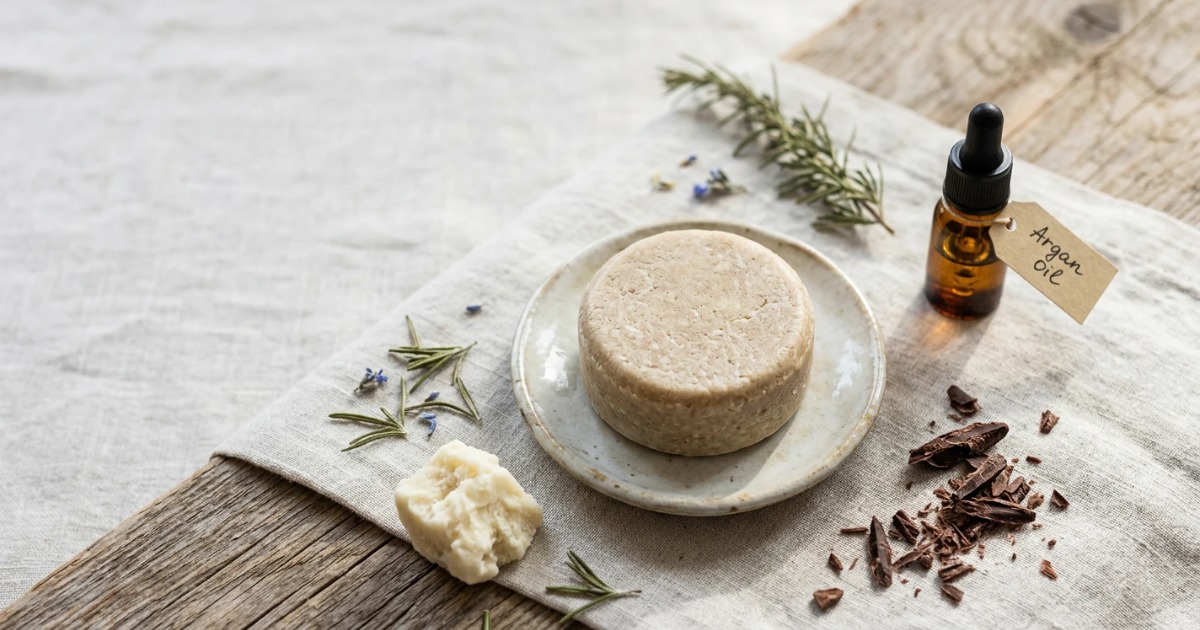
Dry or curly hair: shea butter, cocoa butter, argan oil, higher conditioning content
Colour-treated hair: sulfate-free formulas, mildly acidic pH around 4.5 to 5.5
Look for Real Certifications
COSMOS, ECOCERT, cruelty-free logos, and ISO-certified manufacturing all matter, especially in Europe and the Middle East, where cosmetic regulations are strict and importers check paperwork closely.
Ask About the Maker
For retailers and brand owners, the factory behind the bar matters as much as the recipe. An experienced OEM/ODM partner with mature R&D, stable daily output, and low minimum order quantities makes launching a competitive product far less risky than starting from scratch.
Market Snapshot: Why Brands Are Rushing In
Growing Demand
Solid hair care has quietly become one of the fastest-moving segments in personal care across North America, Europe, and the Middle East. Younger buyers drive most of the growth, but the surprise is how many older customers switch permanently once they try a well-formulated bar.
What This Means for Private Label Buyers
If you're a distributor or emerging brand, the timing here is unusual. The category is still expanding, not yet saturated, and buyers are open to custom formulations, unique scents, unusual shapes, and creative packaging. A manufacturing partner with years of dedicated solid personal care experience, in-house R&D, and daily output in the six figures can shorten your launch timeline considerably. That's the practical difference between guessing and building on proven ground.
Final Take
The 2-in-1 shampoo and conditioner bar isn't a gimmick. For most people it's genuinely practical. It saves time, saves plastic, and travels beautifully. Pick a well-formulated one, keep it dry between uses, and it will quietly earn its spot in your shower.
For brands watching this space, the window is still open. The category is growing, the technology is mature, and the right manufacturing partner is what separates a product that sits on shelves from one that moves off them.
FAQ
Q: How long does a 2-in-1 shampoo and conditioner bar last?
A: Most bars last 50 to 80 washes, roughly the same as two or three standard bottles combined. The actual number depends on hair length, water temperature, and whether the bar gets to dry properly between uses.
Q: Will it work on colour-treated hair?
A: A sulfate-free 2-in-1 hair bar is usually a safe pick for coloured hair. Skip anything with SLS or SLES near the top of the ingredient list, and rinse with cool water at the end to help seal the cuticle.
Q: Do I still need a separate conditioner?
A: For short to medium hair, usually not. For long, thick, or curly hair, a weekly deep conditioner or hair mask is a sensible add-on rather than a daily one.
Q: Are these bars really better for the environment?
A: In most cases, yes. No plastic bottle, near-zero water weight during shipping, and often biodegradable or compostable packaging. That's why the zero waste shampoo bar benefits keep turning up in retailer sustainability reports, not just in marketing copy.
Q: Can I take one on a plane?
A: Yes. Solid bars aren't classified as liquids, so they skip the 100ml rule entirely. That's a big part of why travel-friendly solid hair care has grown so quickly among frequent flyers.
Q: Why does my hair feel weird the first few washes?
A: Your hair is shedding buildup from silicones and heavy conditioners in your previous products. Give it about a week. Most people find their hair feels lighter and cleaner once the transition period ends.
Q: Where can I source high-quality bars for my own brand?
A: Look for a manufacturer with strong OEM/ODM experience, certified facilities, low MOQs, and a proven track record in solid personal care. Our team has spent years developing this exact category, from formulation through to finished shelf-ready product, and we can help you skip most of the trial-and-error stage. If you'd like to explore it, get in touch and we'll walk you through what a launch actually looks like on our end.