
Your washing machine cleans your clothes, but who cleans the machine? It turns out that even the appliance responsible for fresh laundry needs a little care of its own.
Cleaning tablets are one of the easiest ways to keep your washer fresh and running smoothly. This guide walks you through exactly how to use them, step by step.
Why Your Washing Machine Needs Cleaning Tablets
It feels strange to imagine that something used to wash things could get dirty. But every load leaves behind a little detergent, fabric softener, and grime.
Add in the constant moisture inside the drum, and you have the perfect environment for buildup. Over time, that residue affects both performance and smell.
What Builds Up Inside a Washing Machine
Three culprits do most of the damage. Limescale forms when minerals in hard water settle on internal parts. Soap scum collects from detergent and softener that never fully rinses away.
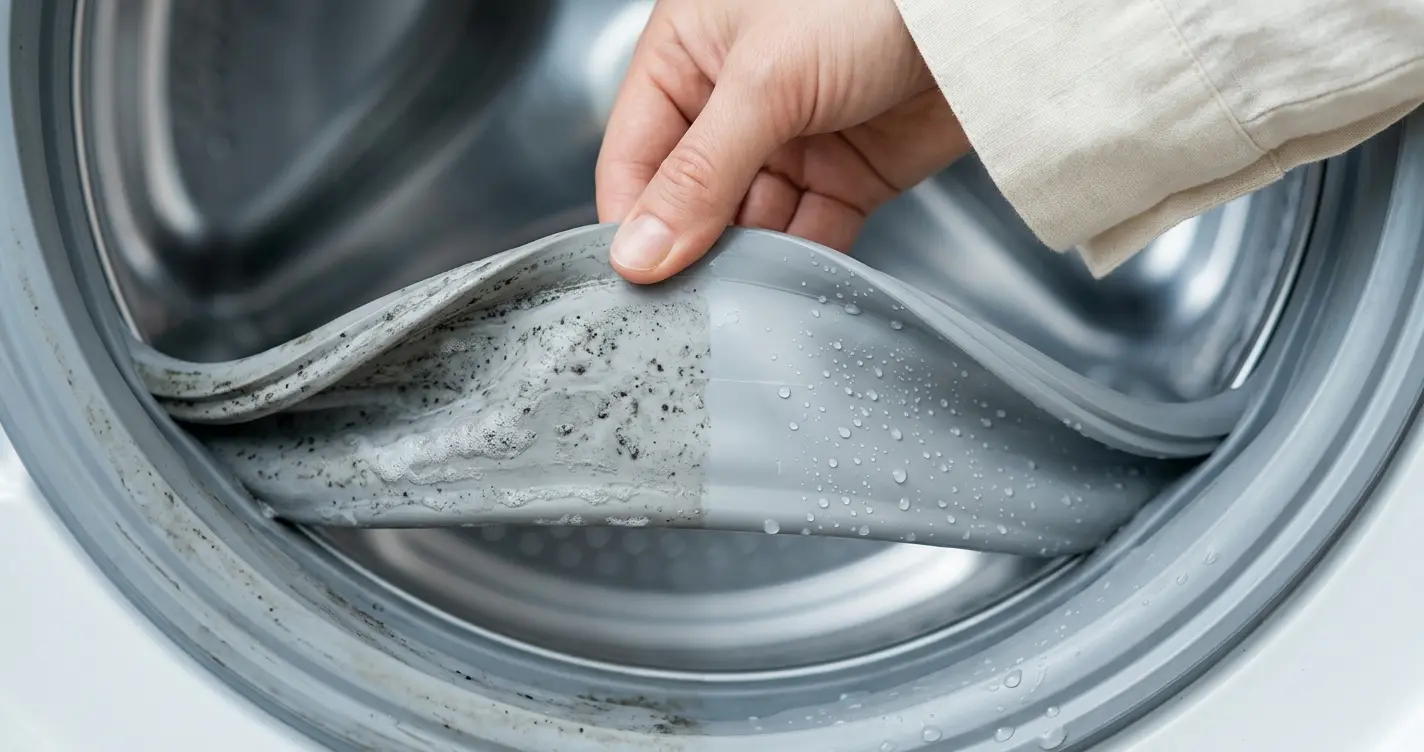
Then there's mold and bacteria, which thrive in damp, hidden spots. The drum, the rubber door gasket, and the detergent drawer are their favorite hangouts.
Signs It's Time to Clean
Your machine usually tells you when it needs attention. A musty or sour smell is the most common warning sign.
Clothes come out with a faint odor instead of smelling fresh
You spot residue or flakes left on fabric after a wash
Visible mold or grime appears around the door seal
The machine just doesn't seem to clean as well as it used to
What Are Washing Machine Cleaning Tablets?
These are small, dissolvable tablets designed to clean the inside of your washer. You drop one in, run a cycle, and let it do the work.
Compared to liquid or powder cleaners, tablets are pre-measured and mess-free. There's no guessing how much to pour and no spills to wipe up afterward.
How They Work
Most washing machine cleaner tablets rely on oxygen-based cleaning agents. When they hit hot water, they release active oxygen that lifts away grime and breaks down buildup.
Many also contain surfactants, which help loosen soap scum and grease. Together, these ingredients dissolve residue and neutralize the odors trapped inside.
Cleaning Tablets vs. Descaling Tablets for Washing Machine
Here's a distinction worth knowing. General cleaner tablets focus on soap scum, mold, and odor throughout the machine.
Descaling tablets for washing machine maintenance are more specialized. They target mineral deposits and limescale, which is especially important if you live in a hard-water area. Some products combine both functions, so check the label.
How To Use Washing Machine Cleaning Tablets: Step by Step
The process is simple, but a few details make a big difference. Follow these four steps for the best results.
Step 1: Empty the Machine
Make sure the drum is completely empty before you start. No clothes, no towels, and no detergent in the dispenser.
The tablet needs an empty drum to circulate freely and reach every surface. Adding laundry would block the cleaning action and waste the tablet.
Step 2: Place the Tablet Correctly
Placement depends on your machine type. For most front-loaders, you drop the tablet directly into the drum, not the detergent drawer.
For top-loaders, place it in the drum as well, ideally before the water fills. Putting it in the drum lets it dissolve at the right pace as the cycle runs.
Step 3: Run the Right Cycle
If your washer has a dedicated washer tub cleaning cycle, use it. This setting runs hot and long, exactly what's needed to dissolve the tablet and flush out buildup.
No special cycle? No problem. Just select the hottest, longest cycle available, often a heavy-duty or sanitize setting.
Step 4: Wipe Down and Air Dry
Once the cycle finishes, grab a cloth and wipe down the rubber gasket, the detergent drawer, and the door. This catches any loosened grime the cycle pushed out.
Then leave the door open to let everything dry. Trapped moisture is what invites mold back, so airing out the drum is a small step with a big payoff.
Front-Load vs. Top-Load: Key Differences
Both machine types benefit from cleaning tablets, but the trouble spots differ. Knowing where buildup hides helps you clean smarter.
Tips for Front-Loading Machines
Front-loaders have a rubber door seal that creates a watertight closure. Unfortunately, that fold of rubber is a magnet for mold and trapped water.
Pull the seal back gently and wipe inside the folds after running a tablet. This is where most front-load odor problems start.
Tips for Top-Loading Machines
Top-loaders often have a central agitator where residue collects. Pay attention to the base of the agitator and the fabric softener dispenser.
These spots can hold gunk that a cycle alone won't fully reach, so a quick manual wipe helps.
How Often Should You Use Them?
As a general rule, cleaning your washer once a month keeps things fresh. If you do laundry daily or wash heavily soiled items, you might bump that up.
Your detergent type matters too. Liquid fabric softeners and heavy detergent use tend to leave more residue behind.
Hard Water vs. Soft Water Considerations
Water hardness has a real impact on how often you'll need to descale. Hard water carries more minerals, which means limescale builds up faster.
If you have hard water, plan to use descaling tablets for washing machine upkeep more frequently. Households with soft water can usually stretch the time between descaling treatments.
Extra Tips for Keeping Your Washer Fresh
Tablets do the heavy lifting, but daily habits keep your machine fresh between cleans. A few small routines go a long way.
Removing Odor From Washing Machine Between Cleans
The simplest trick is also the most effective: leave the door open after each load. This lets the drum dry out instead of staying damp.
Wiping the gasket dry after a wash and removing clothes promptly also helps. Damp laundry left sitting is a fast track to that musty smell.
How to Deep Clean Washing Machine Naturally
If you prefer a more natural route, white vinegar and baking soda are popular options. Some people run a hot cycle with a couple cups of vinegar, then a short cycle with baking soda.
These methods can supplement tablet use, though they're generally gentler. For tough buildup, a dedicated cleaner usually does more.

Common Mistakes to Avoid
A few simple errors can undo your cleaning efforts. Steer clear of these to get the most from your tablets.
Mixing cleaners: Never combine a cleaning tablet with bleach or other chemicals, which can create harmful fumes.
Leaving clothes in: Running a tablet with a load inside wastes the product and won't clean your machine.
Skipping the wipe-down: The cycle loosens grime, but you need to wipe the gasket and drawer to remove it fully.
Using cold water: Tablets need heat to dissolve and work properly, so skip the cold setting.
Frequently Asked Questions
Q: Can I use washing machine cleaner tablets in any machine?
A: Most tablets are compatible with high-efficiency (HE), front-load, and top-load machines. Still, it's worth a quick glance at the packaging to confirm. Manufacturers usually note any restrictions right on the label.
Q: Are cleaning tablets safe for septic systems?
A: Many oxygen-based tablets are biodegradable and septic-safe, but not all of them. If you're on a septic system, look for products that specifically state they're safe to use. When in doubt, check the ingredient list for harsh or non-biodegradable chemicals.
Q: Can I run a normal wash right after cleaning?
A: It's a good idea to run a quick rinse or short empty cycle first. This flushes out any leftover cleaner before your clothes go in. Once that's done, you're free to wash a normal load.
Q: Do cleaning tablets remove mold?
A: Tablets can tackle light mold and prevent new growth by removing the residue mold feeds on. For heavy, stubborn mold in the gasket folds, though, you'll likely need to scrub manually. Think of tablets as maintenance, not a one-time fix for a serious mold problem.
Q: What's the difference between cleaning and descaling tablets?
A: Cleaning tablets focus on soap scum, mold, and odor throughout the machine. Descaling tablets target mineral deposits and limescale caused by hard water. Some products handle both jobs, so check whether your tablet is a cleaner, a descaler, or a combination of the two.