
There's nothing quite like dropping a bath bomb into warm water and watching it fizz, swirl, and transform your tub into a spa-like escape. And here's the good news: for the vast majority of women, that little moment of relaxation is exactly as safe and enjoyable as it feels.
With a few simple, reassuring habits, bath bombs can remain a dependable part of your self-care routine. Let's walk through everything that makes them trustworthy.
Why Women Are Talking About Bath Bombs Right Now
Bath bomb safety has become a popular topic in women's wellness conversations — and that's actually a positive thing. More women are reading labels, asking smart questions, and choosing products with confidence instead of guesswork.
You may have seen OB-GYNs on TikTok and Instagram sharing tips about bath products. Their core message is straightforward: be thoughtful about fragrances and dyes near intimate skin. That's helpful guidance, not a reason to worry. A little awareness goes a long way. Once you know what to look for, you can pick products that suit your body and enjoy them with total peace of mind.
That lasting popularity reflects something real. With the global market valued in the billions and still climbing, bath bombs remain a favorite gift and personal treat because — when used sensibly — they deliver genuine comfort and relaxation that millions of women count on.
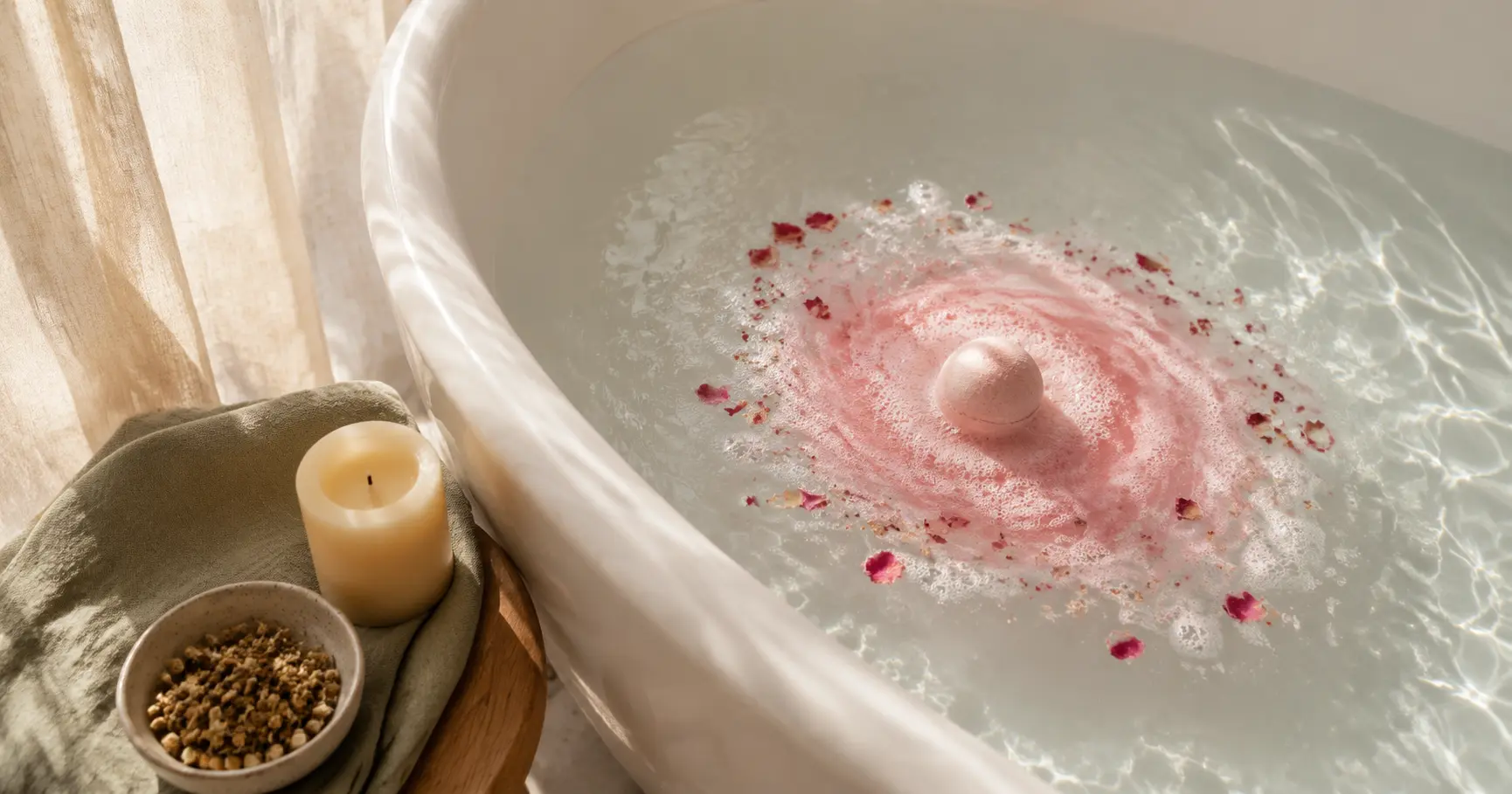
The Short Answer: Yes, Bath Bombs Are Safe for Most Women
For most women, a bath bomb is a perfectly safe, soothing indulgence. The key is choosing quality ingredients and using them the way they're meant to be used. They aren't something to fear. They're a reliable little luxury, and a few easy choices keep them that way for nearly everyone.
There are a handful of moments when dermatologists and gynecologists suggest pressing pause, simply as a sensible precaution:
During pregnancy, until your doctor gives the go-ahead
If you currently have a yeast infection, BV, or UTI
Right after waxing, shaving, or any intimate procedure
If you're dealing with an active skin flare-up or open irritation
Outside these temporary situations, you can soak and relax with confidence.
What's Actually Inside a Bath Bomb?
Knowing what you're soaking in makes choosing easy. Bath bombs are wonderfully simple, and most of their ingredients are gentle and familiar.
Baking soda and citric acid create the signature fizz when they hit water. They're generally gentle and skin-friendly. Because they're mildly alkaline, a quick rinse afterward keeps everything comfortably in balance. Fragrances and essential oils are part of the magic, and well-formulated bath bombs use them beautifully. The trick is choosing lighter, skin-friendly scents and going easy on intensely concentrated oils like peppermint, citrus, or cinnamon if your skin tends to be delicate. Understanding bath bomb ingredients safety mostly comes down to picking thoughtfully scented products, which today's better brands make easy to find.
Bright colors come from cosmetic dyes or mica, and plenty of brands now offer clean, minimal versions. Choosing dye-light and glitter-free options is a simple way to keep things gentle. Here's where bath bombs really shine, though: shea butter, cocoa butter, and coconut oil genuinely soften and nourish your skin. These are the ingredients worth seeking out.
A few additives deserve a quick glance so you can choose with confidence. Parabens, sulfates like SLS and SLES, and vague "fragrance" blends can be less gentle on sensitive skin. If you have reactive skin, favor products with short, clear ingredient lists. That alone puts you in great shape — and transparent brands make this refreshingly straightforward.
Understanding How Bath Bombs Interact With Women's Bodies
Most of the considerations women hear about trace back to one idea: respecting your body's natural balance. The reassuring part? That balance is easy to protect.
A healthy vagina is naturally acidic, sitting around a pH of 3.8 to 4.5, and that acidity does a great job of keeping things in check on its own. Choosing gentle, fragrance-light bath bombs and rinsing afterward helps that natural environment stay happy. Supporting pH balance feminine hygiene is simple once you pick products with care. Your body's balance of good bacteria is resilient, too. For women who've noticed occasional sensitivity, switching to fragrance-free bath bombs often clears things up nicely. If recurring yeast infections or bacterial vaginosis are familiar to you, leaning toward simple, unscented formulas keeps the relaxation without the worry.
Dyes and heavy fragrances are the usual culprits behind skin irritation, and intimate skin is thinner and more absorbent. The easy fix? Choose fragrance-light, dye-free options that keep your soak soothing from start to finish. If a particular product has ever left you feeling itchy or red, skin sensitivity bath products guidance is encouraging: switching to a gentler formula usually solves it completely. Some residue can also linger in bathwater, so a quick rinse afterward is a smart habit — especially for women prone to UTIs.
Pregnancy changes how your body responds to many things. A little extra care goes a long way. Certain essential oils, like clary sage and rosemary, are typically set aside during pregnancy. Because every pregnancy is unique, a quick chat with your doctor lets you enjoy a soak with full confidence.
Who Benefits From a Little Extra Care?
Some women do well with a bit of added attention to product choice. If any of the following sound like you, the right options are easy to find — and still wonderfully relaxing.
If your skin reacts to new products or you have eczema, fragrance-free and dye-free bath bombs are your reliable go-to. Prone to UTIs or yeast infections? Those same simple options work well, and you can skip your ritual on weeks when you feel more sensitive. Expecting and new mothers should favor simple formulas with gentle ingredients, reviewing the ingredient list alongside an OB-GYN. And because developing skin tends to be more reactive, gentle, straightforward formulas are the perfect fit for young girls and teens — with plenty of fun, fragrance-light options designed exactly for them.
How to Choose a Bath Bomb You Can Trust
You absolutely get to keep enjoying bath bombs. A little label-reading is all it takes to pick ones you can feel great about.
Flip the package over before you buy. A short, recognizable ingredient list free of mystery "fragrance" is a green light, and today's better brands make their ingredients clear and easy to scan. Unscented options are a dependable, gentle choice. If you love a little aroma, lightly scented bath bombs using skin-safe essential oils strike a nice balance. Many brands now embrace a clean, minimalist approach precisely because it's gentler on skin — so choosing dye-free and glitter-free removes the two most common irritants in one step. Labels like "pH-balanced" and "dermatologist-tested" are encouraging signs of a brand that cares. Pair them with a clear ingredient list, and you've got a product you can rely on.
Prefer full control? Making your own puts you in the driver's seat. A simple mix of baking soda, citric acid, a skin-friendly oil, and a drop or two of a gentle essential oil gives you a custom, trustworthy soak every time.
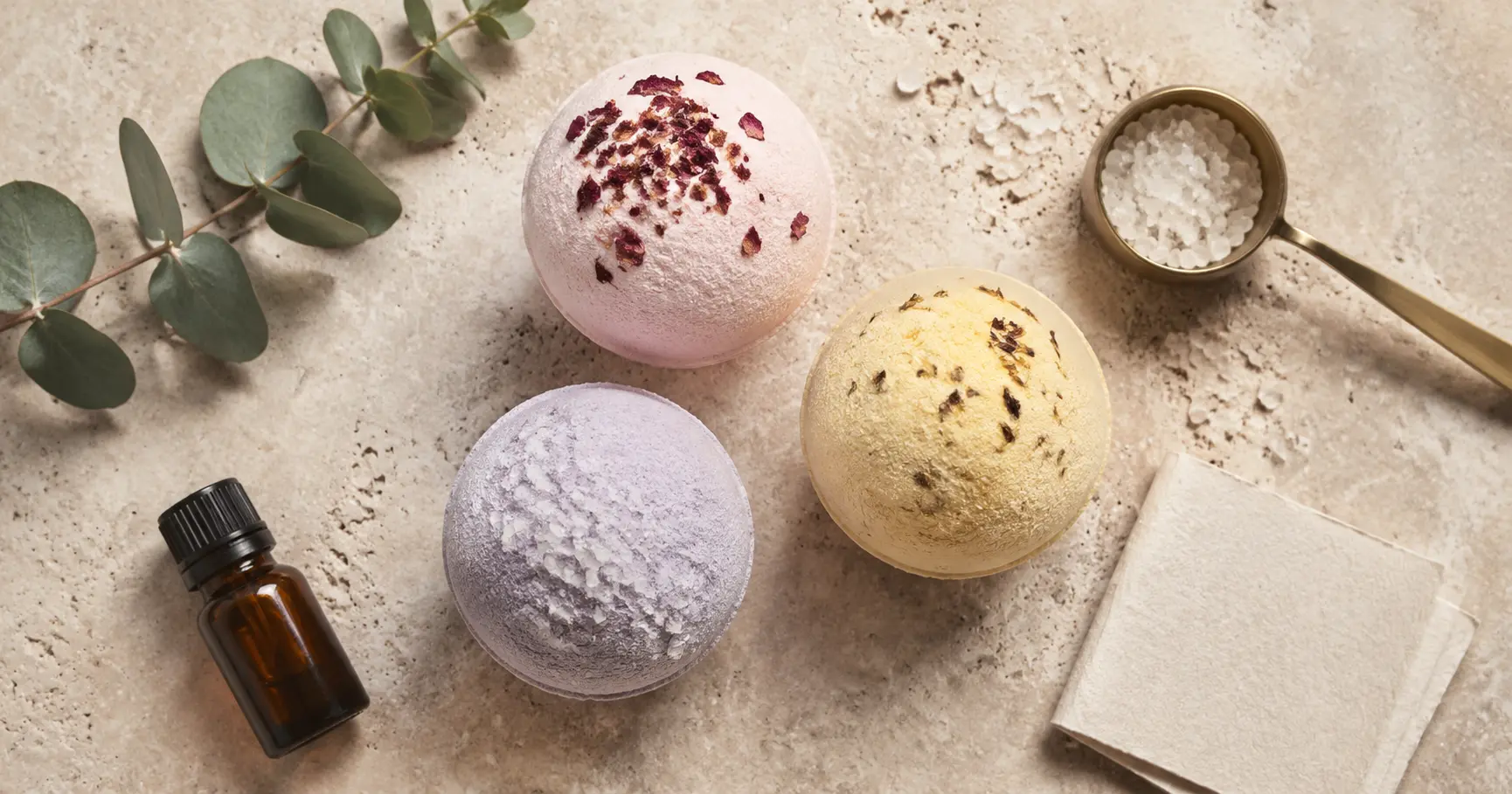
Simple Habits for a Relaxing, Worry-Free Soak
A few easy habits help every bath bomb deliver its best, most comfortable results. Enjoy them as an occasional treat — spacing them out keeps each soak feeling special and your skin happy. Keep the water lukewarm. It's kind to your skin and still plenty relaxing. Finish with a quick rinse of clean water to wash away any leftover color or fragrance so you step out feeling fresh.
Around 20 minutes is the sweet spot — long enough to unwind and just right for keeping your skin comfortable. Above all, listen to your body. It gives great feedback. If something ever feels off, simply switch products. That's an easy way to keep every future soak enjoyable.
Expert Opinions: What Doctors Are Saying
The reassuring news? Medical professionals largely agree on a few straightforward basics. Most OB-GYNs note that the vagina is self-cleaning, so plain water is all it needs for cleansing. Their simple, confidence-building tip: keep heavily scented items away from intimate areas. Dermatologists suggest a quick patch test with any new product and a glance at the ingredient list — together, those steps round out a smart, stress-free routine.
The Bottom Line
Bath bombs are a dependable, feel-good part of self-care for the vast majority of women. Thoughtful ingredient choices and a few simple habits ensure they deliver exactly the comfort and calm you're looking for.
Pick gentle, fragrance-light, dye-free options. Keep the water lukewarm. Rinse off afterward and enjoy your soak. Do that, and bath bombs stay a reliable little luxury you can reach for with complete confidence.
Frequently Asked Questions
Q: Can bath bombs cause yeast infections?
A: For most women, no. Heavily fragranced products can occasionally affect sensitive individuals, but choosing fragrance-free options and rinsing afterward keeps your natural balance protected and your soak worry-free.
Q: Are bath bombs safe during your period?
A: Yes, a soak is perfectly fine. Your skin may feel a touch more sensitive, so a gentle, fragrance-light option is ideal. If you're using a tampon, change it afterward and rinse off to stay fresh.
Q: Can I use a bath bomb if I'm pregnant?
A: Usually yes, though a quick check-in with your doctor is smart. A few essential oils—clary sage and rosemary among them—are typically avoided during pregnancy. A fragrance-free option plus your doctor's green light lets you relax without worry.
Q: What should I do if I notice irritation after using one?
A: It's easy to handle. Rinse the area with clean, lukewarm water, switch to a gentler product, and wear loose cotton clothing. Most sensitivity resolves fast. If anything persists beyond a day or two, a quick call to your doctor puts your mind at ease.
Q: Are CBD or essential oil bath bombs better?
A: They can be lovely. As with any product, the full ingredient list tells you more than the buzzword on the front. Choose gentle, well-formulated versions and enjoy.
Q: How often can I use bath bombs?
A: There's no hard rule. For most women, about once a week—followed by a clean rinse—keeps the experience feeling like a reliable, refreshing treat.