
Walk down any laundry aisle and you'll spot them: small foil-wrapped tablets promising a fresher, cleaner washing machine. They've become one of the fastest-selling laundry add-ons in recent years, but a fair question keeps coming up. Do these tablets actually do anything special, or are you paying a premium for something vinegar could handle?
This is an honest breakdown of what these products deliver, who genuinely benefits, and when a cheaper option does the same job. No hype, just a clear look at whether they earn a spot in your cleaning routine.
What Are Washing Machine Cleaning Tablets?
Washing machine cleaner tablets are compressed cleaning agents designed to clean the machine itself rather than your clothes. You drop one into an empty drum, run a hot cycle, and the tablet dissolves to scrub away the gunk that builds up over time.
They've earned shelf space because modern machines, especially energy-efficient ones that use cooler water, are prone to buildup and odor. A tablet promises a simple fix without scrubbing.
How They Differ From Regular Detergent
This trips up a lot of people. Regular detergent cleans your laundry. A cleaning tablet cleans the appliance.
Detergent actually contributes to the problem, leaving behind a film of residue inside the drum and pipes. Cleaning tablets are formulated to break down that leftover residue, not to wash fabric. Running them with clothes inside defeats the purpose.
Common Ingredients Inside the Tablet
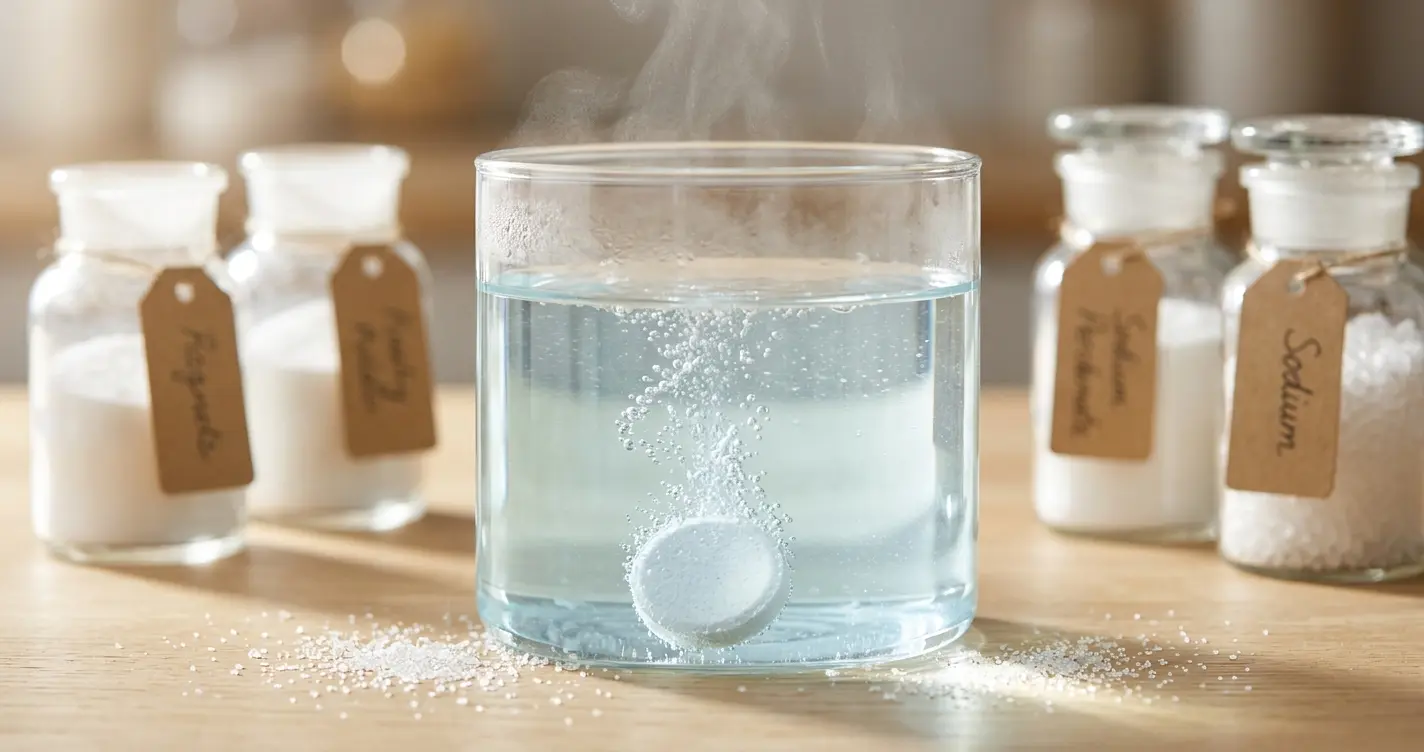
Most tablets rely on a handful of familiar workhorses. Sodium percarbonate is the big one, an oxygen-based bleaching agent that lifts stains and kills odor-causing bacteria when it hits hot water.
You'll also find surfactants that dissolve grease and soap scum, plus descaling agents that target hard mineral deposits. Some blends add citric acid to help cut through limescale. None of these are exotic, which is worth keeping in mind when we compare costs later.
How Do Washing Machine Cleaner Tablets Actually Work?
The mechanism is straightforward. Once the tablet meets hot water, it fizzes and releases active oxygen. That reaction loosens the grime clinging to surfaces you can't easily reach.
As the drum spins through a hot cycle, the dissolved cleaning solution circulates through the drum, the rubber gasket, the pump, and the internal hoses, flushing loosened debris out with the drain water.
Tackling Limescale and Detergent Buildup
If you live in a hard water area, limescale is a constant battle. Descaler tablets for washing machine units use acidic agents to dissolve the chalky mineral deposits that crust onto the heating element and drum.
At the same time, the surfactants attack detergent and softener residue. This limescale and detergent buildup is the hidden culprit behind a machine that smells stale or stops rinsing properly. Clearing it helps the machine run more efficiently.
Removing Odors and Bacteria
That musty, sour smell almost always comes from bacteria and biofilm thriving in damp, dark corners. Washing machine smell removal is where these tablets shine, because the oxygenated solution reaches the trapped spots behind the seal and inside the dispenser that a quick wipe never touches.
Kill the bacteria, clear the biofilm, and the odor usually disappears with it.
The Real Benefits: What the Tablets Get Right
Let's give credit where it's due. These products earned their popularity for genuine reasons, not just clever marketing.
Convenience and Ease of Use
The biggest selling point is simplicity. Drop it in, press start, walk away. There's no measuring, no mixing, no mess.
For busy households, that low-effort routine is the difference between actually maintaining the machine and forgetting about it entirely. Convenience has real value.
Reaching Hard-to-Clean Areas
You can wipe the visible drum all day, but the parts that cause problems are out of sight. Tablets dissolve into a solution that circulates everywhere water goes, including the pump and internal pipes you simply can't reach by hand.
Front-Loader vs Top-Loader Considerations
This matters more than most people realize. Front-loading machines have a rubber door gasket that traps moisture, lint, and residue, making them notorious for odor and mold.
Top-loaders generally drain and dry more openly, so they build up problems more slowly. If you own a front-loader, regular cleaning is far more important, and that's exactly where tablets prove most useful.
The Downsides Worth Knowing
No product is perfect, and being honest means covering the limitations too.
Cost Over Time
This is the main sticking point. A single tablet can cost more than an entire cleaning session done with pantry ingredients. If you clean monthly, that adds up across a year.
You're partly paying for convenience and packaging, since the active ingredients themselves are inexpensive and widely available in bulk.
What They Can't Fix
Set your expectations honestly. A tablet cannot repair a torn door seal, clear deep-set black mold that has rooted into rubber, or resolve a mechanical fault like a failing pump.
They're a maintenance and prevention tool, not a repair. If your machine has a structural problem, no amount of tablets will solve it.
Tablets vs Cheaper Alternatives
Here's the comparison most articles skip. The right choice depends on your situation, not on which product has the flashiest label.
White Vinegar and Baking Soda
White vinegar is mildly acidic and tackles light limescale and odor, while baking soda helps neutralize smells and gently scrubs. Run vinegar through a hot cycle, sprinkle baking soda in the drum, and you'll handle routine maintenance for pennies.
The catch is they're less powerful against heavy buildup and stubborn biofilm. For a badly neglected machine, they often fall short of what an oxygen-based tablet achieves.
Dedicated Liquid and Powder Cleaners
Liquid and powder machine cleaners sit between the two. They tend to be more potent than vinegar and often cheaper per use than tablets, but they require a little measuring and handling. For people who don't mind a slightly less tidy process, they're a solid middle ground.
Cost Comparison Table
| Method | Approx. Cost Per Clean | Effort | Best For |
|---|---|---|---|
| Cleaning Tablets | Highest | Lowest | Convenience seekers, front-loaders |
| Liquid/Powder Cleaner | Medium | Low | Regular deep cleans on a budget |
| White Vinegar + Baking Soda | Lowest | Medium | Light maintenance, soft water areas |
The pattern is clear. You pay more for convenience and less when you're willing to do a bit more yourself.
How to Clean a Washing Machine Properly
Here's the truth that product makers won't emphasize: results depend far more on your method than on any single product. Knowing how to clean a washing machine the right way means you get a fresh machine no matter what you use.
Using a Cleaning Tablet Correctly
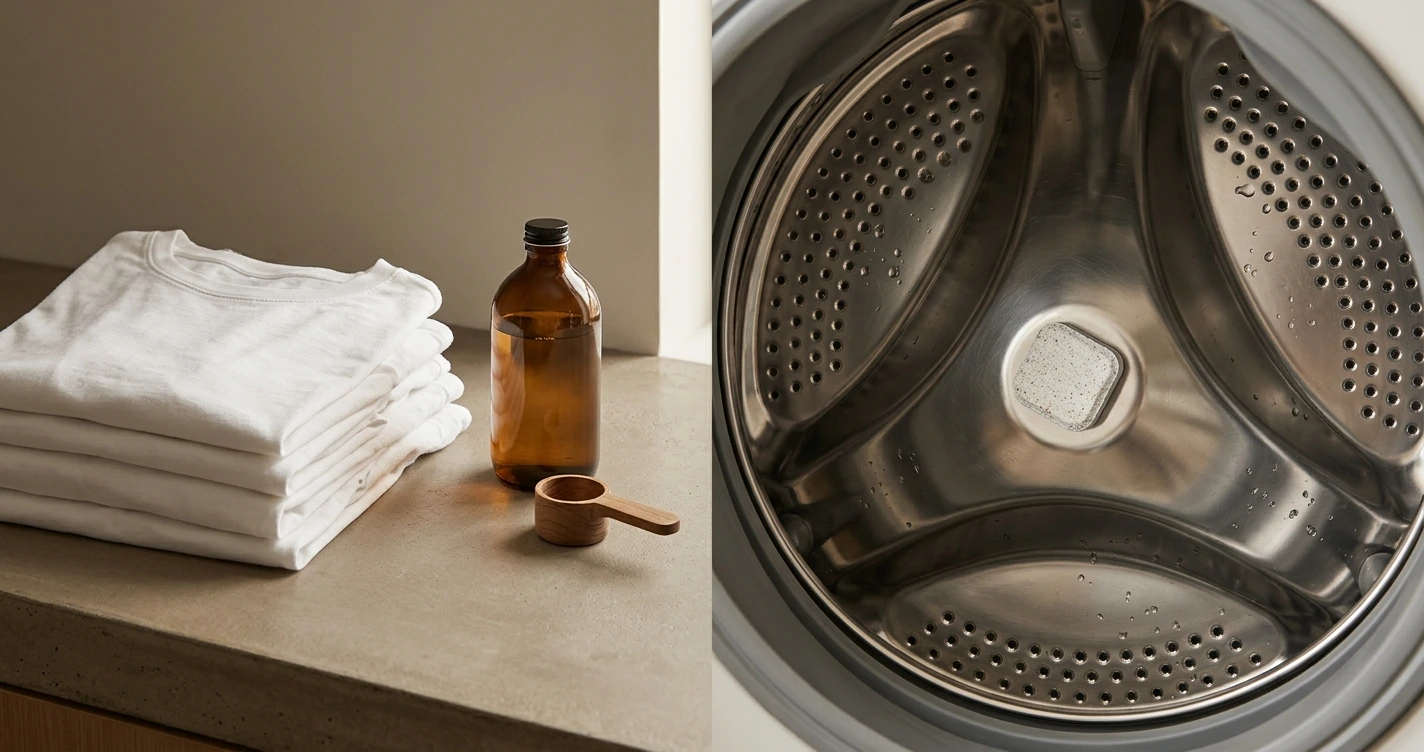
Empty the drum completely. No clothes.
Place the tablet directly in the drum, not the detergent drawer.
Select the hottest, longest cycle your machine offers, or a dedicated "tub clean" mode if available.
Run the full cycle, then leave the door open afterward to air-dry.
Maintaining the Door Seal and Detergent Drawer
This is the step tablets simply can't do for you. Wipe down the rubber gasket on a front-loader after the cycle, folding it back to reach trapped grime and lint.
Pull out the detergent drawer, rinse it under the tap, and scrub away any sludge. These two manual tasks prevent most odor and mold problems before they start.
So, Are They Worth It? The Verdict
The honest answer is: it depends on who you are. For some people they're absolutely worth it. For others they're an unnecessary expense.
When Tablets Make Sense
Choose tablets if you own a front-loader prone to odor, live with hard water, or genuinely value a no-fuss routine you'll actually stick to. The convenience often justifies the price when it means the machine gets cleaned at all.
When to Skip Them
If you're on a tight budget, have soft water, or don't mind a few extra minutes of effort, white vinegar and baking soda will keep a lightly used machine perfectly fresh. There's no shame in saving the money.
So back to the core question many shoppers ask: are washing machine cleaning tablets truly necessary? Not strictly. They're a convenient, effective option, but they're a luxury of ease rather than a must-have. The cleaning itself is what matters, and that you can achieve several ways.
Frequently Asked Questions
Q: Can I use washing machine cleaner tablets in any machine type?
A: Yes, the vast majority are safe for front-loaders, top-loaders, and high-efficiency (HE) machines. Always check the label, but the formulas are generally universal. The main difference is that front-loaders tend to need cleaning more often than top-loaders.
Q: How often should I use cleaning tablets?
A: Once a month works for most homes. Bump it up to every two or three weeks if you have hard water or use your machine heavily, and ease off if you have soft water and light use.
Q: Will tablets remove mold from the rubber seal?
A: Partly. A tablet can clear early surface mold and prevent new growth, but it won't fully remove black mold that has worked its way into the rubber. For that, you'll need to scrub the gasket by hand with a dedicated mold cleaner, and replace the seal if the staining is deep and permanent.
Q: Are descaler tablets and cleaning tablets the same thing?
A: Not exactly, though they overlap. Descaler tablets for washing machine units focus on dissolving limescale and mineral deposits, while general cleaning tablets target a broader mix of odor, bacteria, and detergent buildup. Many modern tablets combine both functions, so read the packaging to see what you're actually buying.
Q: Can I run a normal wash cycle with clothes while using a tablet?
A: No, and this is important. Cleaning tablets are designed for an empty drum and a hot maintenance cycle. Running one with clothes inside wastes the product, won't clean your laundry properly, and could be harsh on fabrics. Always run cleaning tablets solo.