
You're cleaning out the bathroom cabinet and find a half-used bag of Epsom salt shoved in the back. It's been there for... three years? Maybe five? The bag looks fine, but you're wondering — is this stuff still good?
You're not alone. It's one of the most common questions people have about this household staple. Let's break down everything you need to know about Epsom salt shelf life, how to store it properly, and when (if ever) you should toss it out.
What Is Epsom Salt and Why Does Shelf Life Matter?
Quick Overview of Magnesium Sulfate
Epsom salt is the common name for magnesium sulfate heptahydrate — a naturally occurring mineral compound made up of magnesium, sulfur, and oxygen. Despite the name, it's not the same as table salt. It just looks similar.
People use it for all sorts of things: soaking in baths for muscle recovery, boosting garden plants, making DIY beauty scrubs, and relieving minor aches and pains. It's cheap, widely available, and incredibly versatile.
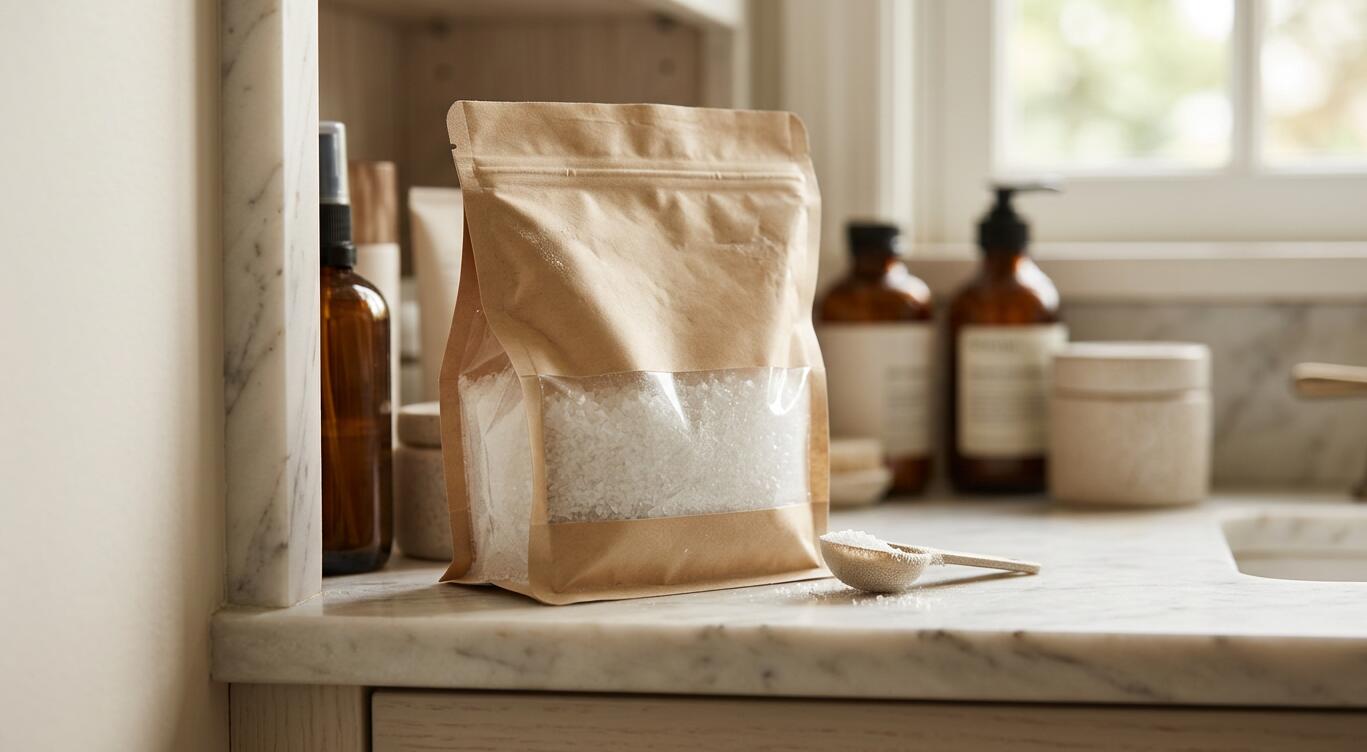
Because it's so affordable, many of us buy large bags and use them slowly over months or even years. That's exactly when the expiration question pops up — you spot an old bag and wonder if it's still safe and effective.
Does Epsom Salt Have an Expiration Date?
Here's the short answer: Epsom salt does not technically expire or go bad the way food, medicine, or skincare products do. As an inorganic mineral compound, it remains chemically stable indefinitely under normal conditions.
So why do some packages have dates printed on them? There's an important distinction between an "expiration date" and a "best by" date. Manufacturers often print a suggested shelf life of 3 to 5 years on the packaging. This is mainly for regulatory compliance and retail inventory management — not because the product becomes unsafe or ineffective after that point.
Think of it like the date on a bag of plain salt. It's there because stores need it, not because the product is going to turn on you.
Why Epsom Salt Doesn't Spoil Like Other Products
The Chemistry Behind Its Stability
The reason Epsom salt lasts so long comes down to basic chemistry. Magnesium sulfate contains no organic matter whatsoever. Bacteria, mold, and fungi need organic material to feed on and grow. Since there's nothing for them to eat in pure Epsom salt, they simply can't colonize it.
This puts Epsom salt in the same category as table salt and baking soda — products with essentially indefinite stability. The crystalline structure of magnesium sulfate resists degradation under normal household conditions. It doesn't break down, doesn't oxidize in any meaningful way, and doesn't become toxic over time.
When Epsom Salt Can Lose Effectiveness Over Time
While the chemical compound itself stays stable, there are a few situations where your Epsom salt might seem less than perfect:
Moisture exposure is the most common issue. If the bag isn't sealed properly, humidity in the air can cause the crystals to clump together into hard chunks. The good news? This doesn't reduce potency at all — it's purely a texture change.
Contamination can happen if you're scooping with dirty hands, using a wet spoon, or leaving the container open near humidity sources. Foreign substances introduced to the salt could potentially harbor bacteria — but that's a contamination problem, not an expiration problem.
Scented or blended products are the real exception here. If your Epsom salt contains essential oils, fragrances, dried botanicals, or other additives, those ingredients absolutely can degrade over time. Oils can go rancid, fragrances can fade or turn sour, and plant matter can break down. This is an important distinction — pure Epsom salt shelf life is indefinite, but blended bath salt products have a much shorter window.
How to Tell If Your Epsom Salt Is Still Good
Visual and Texture Checks
Grab that old bag and take a look. Here's what you're checking for:
Normal signs: White or slightly translucent crystals that are dry and granular. Even if they've clumped a bit, this is perfectly fine.
Concerning signs: Yellow or brown discoloration, wet clumps that absolutely won't break apart even with effort, or visible debris, specks of mold, or unusual particles. Mold growth is only possible if organic contaminants were introduced — it won't appear spontaneously in pure Epsom salt.
If the crystals are white and dry (or just mildly clumpy), you're good to go.
Smell Test for Scented Varieties
Pure Epsom salt should be completely odorless. If you open a bag of plain Epsom salt and detect any off-putting smell, something foreign has gotten into the product. In that case, it's best to discard it.
For scented products, give them a sniff. If the fragrance smells rancid, musty, or has faded completely, the additive oils have likely degraded. The salt base is still fine chemically, but the product may not deliver the aromatherapy experience you're looking for — and rancid oils aren't something you want sitting on your skin.
Does Clumpy Epsom Salt Still Work?
Yes — absolutely. This is probably the most common concern people have, and it's a non-issue. Clumping happens because the crystals absorbed a bit of moisture from the air. The chemical makeup of magnesium sulfate hasn't changed one bit.
Simply break the clumps apart with your hands or a spoon, or toss them directly into warm bath water where they'll dissolve just like fresh crystals. Epsom salt effectiveness over time remains completely intact as long as the product was stored reasonably well and hasn't been contaminated.
Epsom Salt Storage Tips to Maximize Longevity
Ideal Storage Conditions
While Epsom salt is forgiving, a little care goes a long way toward keeping it in prime condition:
Store it in a cool, dry place away from direct sunlight. A linen closet, pantry shelf, or bedroom cabinet all work well. Seal the bag or container tightly after every use to keep humidity out.
Here's a tip many people overlook: avoid storing Epsom salt in the bathroom. Yes, it's convenient for bath time, but bathrooms experience dramatic humidity swings every time you shower. That constant moisture exposure is the fastest way to turn your nice granular crystals into a solid brick.
Best Containers for Long-Term Storage
If you've bought a bulk bag or want to keep your Epsom salt in top shape for years, consider transferring it to a proper container:
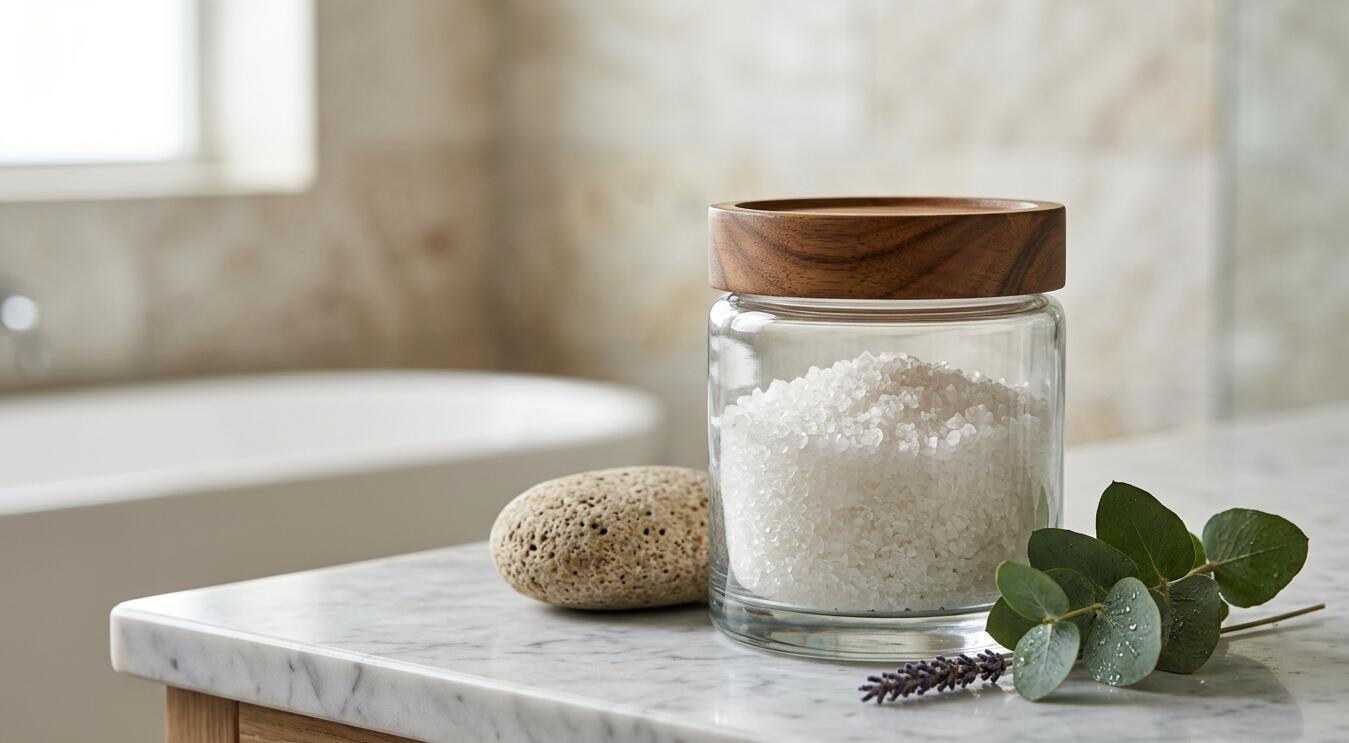
Glass jars with rubber-seal lids — excellent moisture barrier and easy to see contents
Heavy-duty resealable plastic bins — great for large quantities
Original packaging with a clip — works fine for shorter-term storage
Avoid paper bags, thin plastic bags without proper seals, or cardboard containers for long-term storage. These materials allow moisture to creep in over time.
Special Considerations for Scented or Blended Bath Salts
If your product contains essential oils, fragrances, or dried flowers, treat it more like a beauty product than a mineral:
Keep it away from heat sources like radiators, sunny windowsills, or hot water heaters. Heat accelerates the breakdown of essential oils. For best fragrance quality and oil integrity, try to use scented blends within 1 to 2 years of purchase.
The question of does bath salt go bad depends almost entirely on what's been added to the salt base. Pure salt? Virtually forever. Blended products with botanical ingredients? Follow the manufacturer's guidance and trust your nose.
Epsom Salt Uses — Does Age Affect Performance?
Bathing and Muscle Recovery
Planning to use that old bag for a relaxing soak? Go right ahead. Older Epsom salt dissolves and performs identically to a freshly purchased product. The magnesium sulfate dissolves in warm water just the same whether it was packaged last month or five years ago.
Magnesium sulfate expiration is simply not a concern for soaking purposes. Your muscles don't know — or care — how old the salt is. It delivers the same soothing experience regardless of age.
Gardening and Plant Care
Gardeners frequently use Epsom salt to provide magnesium and sulfur to plants like tomatoes, peppers, and roses. If you've got an old bag in the garage, it's perfectly good for this purpose.
Aged Epsom salt delivers the exact same nutrients to your soil. There's no reduced efficacy for fertilizing, addressing magnesium deficiency in plants, or any other garden application. Mix it with water and use it with confidence.
Beauty and Exfoliation
Using old Epsom salt as a body scrub or in a foot soak? Still safe and effective. The texture may have changed slightly if moisture got to it — you might find softer or clumpier crystals instead of uniform granules — but it remains perfectly safe for skin use.
The one exception: if you notice any unusual odor, discoloration, or visible contamination, discard the product. This applies to any personal care use where the product contacts your skin directly.
Frequently Asked Questions (FAQ)
Can expired Epsom salt hurt you?
No. Pure Epsom salt does not become toxic, harmful, or dangerous over time. It is completely safe to use past any printed date on the packaging. The mineral compound remains chemically unchanged and poses no health risk regardless of age. The only scenario where old Epsom salt could be problematic is if it has been contaminated by foreign substances — and that's a storage issue, not an expiration issue.
How long does Epsom salt last once opened?
Indefinitely, as long as you keep it dry and reasonably well sealed. Once opened, the salt is exposed to air and humidity, which can cause cosmetic clumping over time, but the product itself doesn't degrade. For practical purposes, most manufacturers recommend using it within 3 to 5 years of opening for best quality — but this is a conservative guideline, not a safety concern.
Does Epsom salt lose its magnesium content over time?
No. The magnesium sulfate compound is inherently stable and does not break down, evaporate, or lose potency under normal household storage conditions. The magnesium and sulfur remain chemically bonded in the crystal structure indefinitely. You'll get the same mineral content from a five-year-old bag as you would from one purchased yesterday.
Should I throw away clumpy Epsom salt?
Definitely not. Clumping is purely a cosmetic issue caused by moisture absorption. The clumped crystals retain their full chemical potency and dissolve normally in water. Break them apart by hand, crush them with a rolling pin, or simply drop the chunks directly into your bath or watering can. They'll work exactly as intended.
Is there a difference between expired Epsom salt and expired bath salts?
Yes — and this is an important distinction. Pure Epsom salt (100% magnesium sulfate) is indefinitely stable and doesn't truly expire. However, blended bath salt products that contain essential oils, fragrance compounds, carrier oils, dried botanicals, or colorants absolutely can degrade over time. The oils can go rancid, fragrances can turn unpleasant, and botanical ingredients can break down. For blended products, always follow the manufacturer's printed expiration date and use your senses to check for signs of degradation.
The Bottom Line on Epsom Salt Shelf Life
Here's the takeaway you can feel good about: pure Epsom salt is virtually eternal when stored correctly. It doesn't expire, doesn't lose potency, and doesn't become unsafe over time. That old bag in your cabinet? Almost certainly fine to use.
Proper storage — keeping it dry, sealed, and away from humidity — prevents cosmetic issues like clumping and hardening. But even if your salt has clumped up, it still works perfectly well.
The one area where you should pay closer attention is scented or blended bath salt products. Check those for off-odors, rancid oil smells, or visible degradation, and follow the manufacturer's recommended timeline.
Rather than worrying about magnesium sulfate expiration dates, focus on storing smart: airtight container, dry location, clean scooping practices. Do that, and your Epsom salt will be ready to use whenever you need it — whether that's next week or next decade.