
The handmade soap sector has moved well past its craft-fair origins. What was once a cottage pursuit sold in local markets now operates as a structured global industry with sophisticated buyers, formulation science, and demanding sustainability standards.
This guide breaks down the market forces, ingredient shifts, and production realities shaping the artisan soap world for professionals who source, formulate, or sell in this space.
Market Overview: The State of Handmade Soap
Artisan soap sits at the intersection of personal care, wellness, and clean beauty. Buyers increasingly reject the anonymity of mass detergent bars and gravitate toward products with traceable ingredients and visible craftsmanship.
Global Market Size and Valuation
The broader handmade and natural soap segment is commonly valued in the range of USD 200–250 million as of 2026 estimates, nested within a much larger global soap market exceeding USD 40 billion. Independent trade analysts place the artisan category's compound annual growth rate between 5% and 9%, depending on how strictly "handmade" is defined.
These figures vary because reporting bodies classify small-batch producers inconsistently. Some fold cold process bars into the wider "natural soap" bucket, which inflates numbers. When reading any 2026 market report, check the methodology before trusting the headline valuation.
Key Regional Growth Hotspots
North America remains the revenue leader, driven by mature clean-beauty consumers and a dense network of Etsy-scale sellers graduating into wholesale. The United States alone accounts for a substantial share of premium bar sales.
Europe shows the strongest regulatory pull, where EU cosmetic safety assessments and INCI labeling requirements push producers toward transparent formulation. Germany, France, and the Nordics lead in organic handmade soap market penetration.
Asia-Pacific is the fastest-accelerating region. Rising disposable income, K-beauty spillover, and growing e-commerce infrastructure across South Korea, Japan, and urban India are widening the buyer base.
Why Handmade Beats Mass-Produced
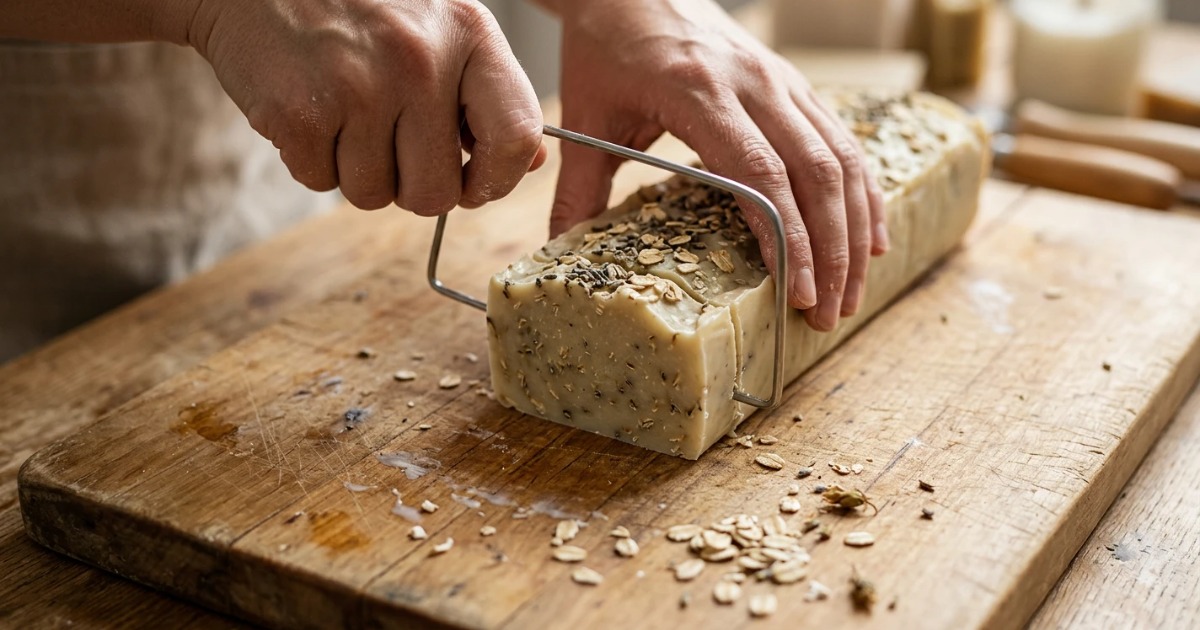
Conventional commercial bars are technically syndet detergents stripped of natural glycerin, which is often extracted and sold separately. Handmade cold and hot process soaps retain that glycerin, giving them a gentler feel that consumers now recognize.
This distinction is a genuine driver of natural handmade soap business growth. Buyers pay a premium for the shorter, legible ingredient list and the perceived skin benefit, not merely the aesthetics.
Shifting Consumer Demand in 2026
Purchasing behavior has matured. Shoppers no longer buy artisan soap purely on scent or color; they interrogate sourcing, ethics, and function.
The Rise of Conscious Consumption
Cruelty-free and vegan positioning has shifted from a niche selling point to a baseline expectation among younger buyers. Surveys across clean-beauty categories consistently show that a majority of Gen Z and Millennial consumers weigh animal-testing policies before purchase.
This ethical lens is one of the clearest signals in handmade soap consumer demand 2026. A product that cannot substantiate its cruelty-free and plant-based claims increasingly loses shelf consideration, especially in retail buyer negotiations.
Premiumization and the Gifting Market
Artisan bars have become gift-worthy objects. Boxed sets, seasonal collections, and bars with embedded botanicals command prices two to four times higher than functional everyday soap.
The gifting angle also smooths out revenue seasonality. Producers who develop dedicated holiday and wedding-favor lines capture margin that plain utility bars never reach.
Personalization and Custom Formulations
Skin-type targeting is now a merchandising strategy. Bars formulated for oily, sensitive, or mature skin let brands segment their range and justify higher price points.
Custom scent profiles and limited small-batch drops feed the demand for exclusivity. This is where flexible manufacturing partners matter, since short runs with distinct formulas are operationally harder to deliver at scale.
Ingredient Innovation and Formulation Trends
Raw material selection is where the real competitive differentiation happens. The ingredient deck is a marketing asset as much as a technical one.
Best Selling Handmade Soap Ingredients
Goat milk continues to anchor the sensitive-skin category thanks to its natural lactic acid and creamy lather. Activated charcoal holds strong in the detox and oily-skin niche, valued for its clarifying pull.
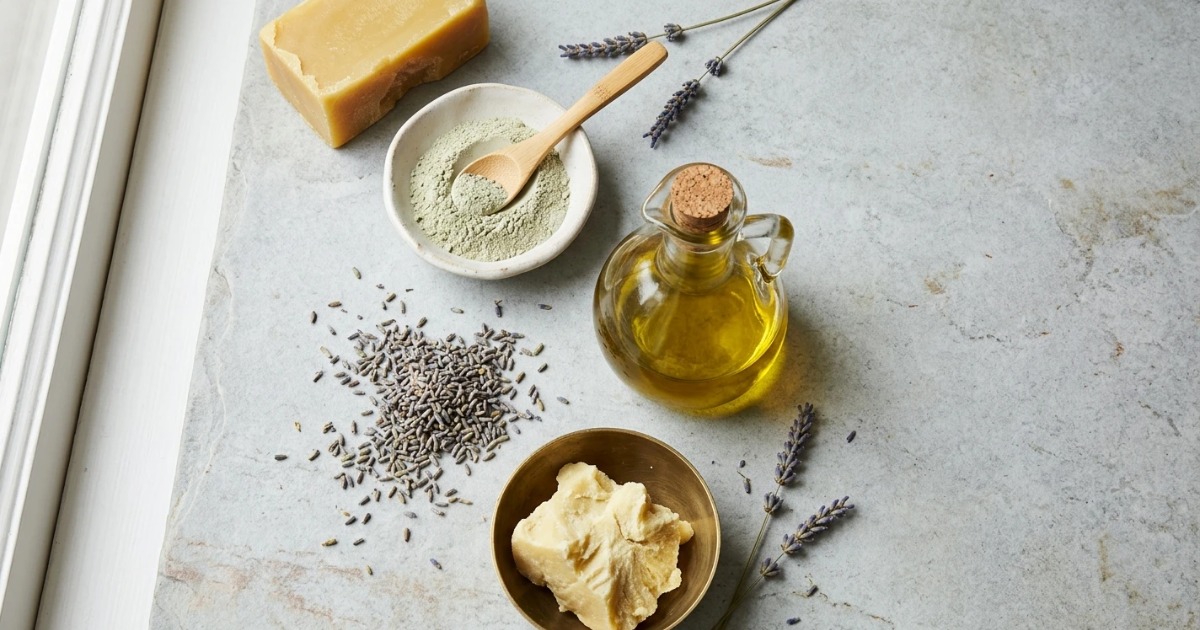
Adaptogens and functional botanicals such as ashwagandha, turmeric, and sea buckthorn have crossed over from supplements into bar formulations. Among the best selling handmade soap ingredients, shea and cocoa butter remain foundational for their conditioning fatty acid profiles.
Goat milk — lactic acid, gentle exfoliation, creamy lather
Activated charcoal — oil absorption, clarifying appeal
Shea and cocoa butter — rich in stearic and oleic acids for conditioning
Turmeric and adaptogens — antioxidant and brightening positioning
Colloidal oatmeal — soothing for eczema-prone skin
Cold Process Soap Ingredients on the Rise
Cold process production preserves the integrity of heat-sensitive oils, which is why it dominates premium lines. Among trending cold process soap ingredients, unrefined avocado oil, hemp seed oil, and tamanu oil are gaining traction for their fatty acid density.
Superfatting, the practice of leaving unsaponified oils in the finished bar, is being marketed openly as a moisturizing benefit. Formulators are also refining natural colorants such as madder root, indigo, and spirulina to replace synthetic pigments.
Clean-Label and Vegan Formulations
Ingredient transparency is now a purchasing filter. Buyers scan for palm-oil sourcing credentials, absence of synthetic fragrance, and plant-based substitutes for tallow.
Vegan reformulation typically replaces animal fats with a blend of coconut, olive, and sustainable palm or babassu oils. Getting the hardness and lather right without tallow is a genuine formulation challenge that separates skilled manufacturers from amateurs.
Functional and Skincare-Driven Bars
The line between soap and skincare is dissolving. pH-balanced syndet-natural hybrid bars, hyaluronic-infused cleansers, and dermatologically tested formulations are pulling the category upmarket.
This reflects broader artisan soap trends toward efficacy claims backed by stability testing. A bar positioned as skincare must survive scrutiny, which means proper pH measurement, cure time discipline, and batch consistency.
Sustainability and Packaging Trends
Environmental responsibility has moved from optional storytelling to a procurement requirement, particularly for retail and export buyers.
Sustainable Handmade Soap Packaging Trends
Plastic reduction leads the agenda. Kraft paper wraps, seed-embedded plantable labels, compostable cellulose film, and naked bars sold with minimal packaging are all gaining ground.
Among sustainable handmade soap packaging trends, refill and subscription models are notable because they reduce per-unit waste while improving customer retention. Soy-based inks and FSC-certified board round out the credible eco-packaging toolkit.
Eco-Friendly Sourcing and Production
Water conservation and low-waste processes matter increasingly in production audits. Cold process methods use less energy than heated commercial saponification, which producers now cite as a sustainability advantage.
Responsible small-batch soap making techniques, including reclaiming soap scraps into rebatched bars and sourcing RSPO-certified palm derivatives, reduce both waste and reputational risk. Traceable supply chains are becoming a contractual expectation, not a bonus.
Certifications That Build Trust
Claims without documentation carry little weight with professional buyers. Recognized certifications translate marketing language into verifiable proof.
| Certification | What It Signals |
|---|---|
| GMP | Consistent manufacturing quality and hygiene control |
| ISO | Standardized management and process systems |
| FDA | Compliance for products entering the US market |
| SMETA | Ethical labor and responsible sourcing audit |
Business and Production Trends for Industry Players
For manufacturers, brands, and retailers, the strategic questions center on how to scale artisan quality without losing the attributes that justify a premium.
Private Label and Custom Manufacturing Growth
Launching a soap line from scratch requires formulation expertise, equipment, and regulatory knowledge that most brands lack. This is why OEM and ODM partnerships have grown sharply.
Working with an established manufacturer lets a brand move from concept to shelf faster, offload compliance complexity, and access mature supply relationships for raw materials.
Automation Meets Artisan Craft
There is a real tension between "handmade" authenticity and the consistency retail demands. The practical answer is hybrid production, where automated lines handle mixing, pouring, and cutting while formulation and finishing retain craft-level control.
Automation does not undermine quality when applied correctly; it removes the batch-to-batch variance that plagues purely manual operations. Buyers want the artisan story and the reliability of standardized output.
Navigating Supply Chain and MOQ Considerations
Minimum order quantities, sampling timelines, and production lead times define whether a partnership is viable for a given brand size. Underestimating lead time is the most common planning mistake in this category.
Realistic sampling windows account for formula iteration, fragrance approval, and packaging mockups, none of which compress well. Buyers should build these timelines into launch calendars from the start.
Partnering for Success: The BOMAY Advantage
Understanding these trends is one thing; executing on them at commercial scale is another. This is where an experienced manufacturing partner turns market opportunity into shipped product.
Manufacturing Excellence Since 1995
Since 1995, BOMAY has focused on OEM/ODM manufacturing of bath sponges, shower gels, and personal care products. The operation runs from a 40,000 square meter facility equipped with 16 automated production lines, giving brands the capacity to scale without sacrificing consistency.
That combination of long operating history and modern automated infrastructure directly addresses the hybrid production challenge many brands face when moving beyond small batches.
Certified, Ethical, and Fully Customizable
BOMAY is internationally recognized with GMP, ISO, FDA, and SMETA certifications, the same credentials that increasingly gate retail and export access. Products support high customization, including custom molds, and can be formulated veganly without cruelty testing on animals.
For brands built on conscious-consumption positioning, verifiable vegan and cruelty-free manufacturing removes the substantiation gap that undermines many competitors' claims.
Flexible Solutions for Global Brands
The commercial terms are structured for both emerging and established brands. Minimum order quantity is 1000 units, which keeps entry accessible for growing labels.
Custom samples are typically prepared within 7–14 days depending on formula, fragrance, appearance, and packaging requirements, with bulk production lead time running 25–30 days. These timelines give brands a dependable basis for planning launches and restocks.
Frequently Asked Questions
Q: What are the biggest handmade soap market trends in 2026?
A: The dominant shifts include conscious consumption driving vegan and cruelty-free demand, premiumization through gifting and luxury positioning, functional skincare-driven bars, and sustainable packaging. Together these define the leading handmade soap market trends 2026, with ingredient transparency and certification acting as trust gates for professional buyers.
Q: Which handmade soap ingredients sell best?
A: Goat milk, activated charcoal, shea and cocoa butter, colloidal oatmeal, and adaptogenic botanicals lead demand. On the cold process side, avocado, hemp seed, and tamanu oils are rising for their fatty acid density and skin-conditioning appeal.
Q: How can brands ensure sustainable soap packaging?
A: Start with plastic elimination through kraft wraps, compostable cellulose film, or naked bars. Layer in FSC-certified board, soy-based inks, plantable labels, and refill or subscription models to cut per-unit waste while improving retention.
Q: What should I look for in a private label soap manufacturer?
A: Prioritize recognized certifications such as GMP, ISO, FDA, and SMETA, alongside genuine customization capability including custom molds and vegan formulation. Confirm the minimum order quantity, sampling timeline, and bulk production lead time fit your launch calendar before committing.
Q: Can handmade soap be produced vegan and cruelty-free?
A: Yes. Vegan formulation replaces animal fats like tallow with plant oils such as coconut, olive, and sustainably sourced palm or babassu, while cruelty-free manufacturing avoids animal testing entirely. A capable partner can deliver both with documentation to substantiate the claims.