
Let's be honest. The first time I paid $12 for a bath bomb, I stood in the store for a solid minute questioning my life choices. Twelve dollars for something that dissolves in about four minutes flat? That's roughly three dollars per minute of fizz. My coffee habit suddenly seemed reasonable by comparison.
But here's the thing — bath bombs have quietly evolved from quirky novelty gifts into a genuine self-care staple. They're everywhere now, from boutique shops to farmers markets to your aunt's Etsy store. And the prices range wildly, from $2 grocery store options to $15+ artisan creations that come wrapped like tiny presents.
So what actually justifies those higher price tags? After digging into the production side of things, I found that multiple factors stack up in ways most of us never consider. Ingredients, labor, packaging, brand positioning — we only see the fizz, not the entire cost chain that got it to our bathtub.
The Ingredient Breakdown: What's Actually Inside
Base Ingredients Aren't Cheap in Quality Formulations
Every bath bomb starts with the same basic chemistry: citric acid meets baking soda, add water, get fizz. Simple enough. But there's a meaningful gap between food-grade citric acid and the industrial stuff. Makers who care about what touches your skin — and they should, since you're soaking in it — pay a premium for cosmetic or food-grade materials. That price difference might seem small per pound, but it compounds fast when you're producing hundreds of units.
Then there are the additions that separate a decent bath bomb from a genuinely good one. Epsom salts for muscle relaxation. Kaolin clay for gentle skin softening. Coconut milk powder for that silky water feel. None of these are filler ingredients — they each serve a purpose, and they each add cost. A bath bomb with six or seven functional ingredients is a fundamentally different product than one with three.
Essential Oils vs. Fragrance Oils
This is where bath bomb ingredients cost really starts to diverge between brands. Pure essential oils — the real stuff extracted from actual plants — are expensive. Sometimes shockingly so.
Here's an example that stuck with me: producing one pound of rose essential oil requires roughly 10,000 pounds of rose petals. Ten thousand. That's why genuine rose oil can run $200+ per ounce at wholesale. Even more common oils like lavender or eucalyptus carry meaningful costs when you're using therapeutic-grade sources.
Synthetic fragrance oils? Maybe $5-15 per pound. They smell fine — sometimes great, honestly — but they don't carry the same skin benefits or complexity. Brands using real essential oils aren't just charging more for bragging rights. Their raw material costs are genuinely higher, and those oils have shorter shelf lives and more volatile pricing tied to harvest conditions.
Colorants, Botanicals, and Extras
The visual appeal of luxury bath products isn't accidental, and it isn't free. Skin-safe colorants like cosmetic-grade micas and natural dyes cost significantly more than the cheap alternatives you'd find in craft supplies. Biodegradable glitter — which responsible makers now use instead of microplastic glitter — runs roughly four to five times the price of conventional options.
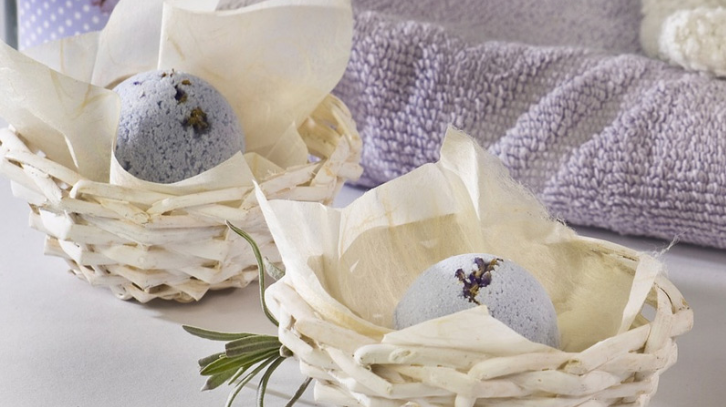
Dried flowers on top? Those need to be sourced, stored properly, and applied by hand. Embedded surprises like smaller bombs inside or jewelry? Additional material cost plus assembly time. Moisturizing agents like cocoa butter, shea butter, and coconut oil at cosmetic grade add both luxury and expense to every single unit.
Small Batch Production: The Labor Nobody Sees
Handmade Means Hand-Packed Hours
I think this is the factor most people underestimate. Handmade bath bomb production is genuinely labor-intensive in ways that aren't obvious from the finished product.
Each bomb gets mixed by hand (or in small commercial mixers), packed into molds, left to cure, carefully unmolded, inspected, and wrapped. A single bath bomb might get touched six or seven times before it reaches a shelf. Multiply that across a batch of fifty or a hundred, and you're looking at hours of physical work.
Then there's humidity. Bath bombs are notoriously sensitive to moisture during production. A humid day can ruin an entire batch — they expand, crack, or refuse to hold shape. That waste doesn't just disappear. It gets absorbed into the pricing of successful batches. Experienced makers plan for a failure rate, and that planning shows up in per-unit cost.
Compare this to factory-produced dollar-store bombs made by machines stamping out thousands per hour with minimal human contact. The quality difference is real, but so is the efficiency gap in small batch cosmetics manufacturing.
Quality Control in Small Cosmetics Manufacturing
Responsible makers test their products. Does the colorant bleed onto skin or stain the tub? Does the fizz last long enough to release the oils properly? Are the ingredients stable together over weeks of shelf life without harsh preservatives?
There's also the regulatory side. Cosmetic labeling laws require proper ingredient disclosure, safety assessments, and specific formatting. Compliance isn't optional, and navigating it takes time and sometimes professional consultation. Small makers absorb these costs across far fewer units than large corporations do.
Packaging and Presentation
Bath bombs have an enemy: moisture. Without proper packaging, they start reacting with humidity in the air and lose their fizz before anyone gets to enjoy them. Shrink wrapping or sealed biodegradable packaging isn't just aesthetic — it's functional preservation.
But let's be real about the "unboxing experience" factor too. Branded boxes, tissue paper, custom stickers, printed cards — these all cost money, and they're part of what makes a $12 bath bomb feel like a $12 bath bomb rather than a $4 one in fancy dress. Whether that's justified depends on your perspective, but the cost is real either way.
Eco-friendly packaging materials — compostable cellophane, recycled cardboard, soy-based inks — typically cost 30-50% more than conventional plastic alternatives. Makers who prioritize sustainability pay for that choice.
And shipping? Fragile spheres that can't get wet, can't get crushed, and can't sit in hot warehouses. The logistical overhead of getting bath bombs from maker to customer intact adds more than you'd expect.
Brand Positioning and the "Luxury Tax"
The Self-Care Economy
Bath bombs sit in an interesting market position. They're affordable luxury — cheaper than a spa visit, more indulgent than a regular bath. That positioning lets brands charge what the experience feels worth rather than strictly what production costs dictate.
The self-care economy runs partly on perception. Aesthetic photography, influencer partnerships, beautiful branding — these marketing costs get baked into every unit sold. You're not just buying ingredients; you're buying the feeling of treating yourself. Whether that bothers you probably depends on how much you enjoy the ritual.
The Lush Effect and Market Expectations
One dominant brand essentially set the price anchor for the entire bath bomb category. When consumers got used to paying $7-13 at that particular retailer, it established what a "normal" bath bomb costs in people's minds. Independent makers now price against those expectations — sometimes struggling to charge what their products actually cost to make, because anything above the anchor feels expensive.
The irony is that many small-batch makers use higher-quality ingredients and more careful processes than mass-market brands, but have less room to charge accordingly because they lack the brand recognition that justifies premium pricing in consumers' eyes.
When the Price Isn't Justified
Not every expensive bath bomb deserves its price tag. Some red flags worth noting:
If a brand markets itself as "natural" but lists fragrance oil (not essential oil) as the scent source, you're paying a premium for marketing language rather than premium ingredients. If the bomb is lightweight — under 4 ounces — but priced like a hefty 8-ounce artisan product, the math doesn't add up. If ingredient lists are vague or missing entirely, that's a transparency problem regardless of price point.
Mass-produced bombs with luxury price tags exist too. A factory-made product with synthetic fragrance and basic colorants shouldn't cost $14 just because the packaging looks expensive. Look for ingredient transparency, maker reputation, and actual weight when evaluating whether a price makes sense.
Are Expensive Bath Bombs Worth It?
Context helps here. A $10 bath bomb provides 20-40 minutes of sensory experience — scent, color, skin softening, relaxation. A $6 latte lasts maybe fifteen minutes. A $15 candle burns for a few evenings. A single-use face mask runs $4-8. In the landscape of small indulgences, bath bombs aren't actually the worst value proposition.
The experience factor matters too. A quality bomb with real essential oils and moisturizing butters leaves your skin noticeably softer. The scent lingers. The colors transform your bathwater into something that genuinely feels special. Cheap bombs fizz and... that's about it.
Middle-ground options absolutely exist. You don't need to choose between dollar-store duds and $15 luxury spheres. Plenty of independent makers offer well-formulated bombs in the $6-9 range that deliver genuine quality without the brand markup.
And yes, DIY is always an option — though I'll note that buying essential oils, cosmetic-grade colorants, molds, and specialty butters in small quantities often costs more per bomb than buying from someone who sources in bulk. The savings only kick in if you commit to making them regularly.
Frequently Asked Questions
Why do bath bombs from small businesses cost more than store-bought ones?
Small business makers face higher per-unit costs across the board. They buy ingredients in smaller quantities without bulk discounts, spend hours on handmade labor that machines handle in seconds for large manufacturers, and pay more per unit for packaging materials. Their overhead gets spread across hundreds of products rather than hundreds of thousands. The tradeoff is typically better ingredients, more care in production, and unique formulations you won't find mass-produced.
What makes some bath bombs $5 and others $15?
The gap usually comes down to ingredient quality (essential oils vs. fragrance oils, cosmetic-grade vs. basic colorants), size and weight, production method (handmade vs. factory), added extras like embeds or jewelry, and brand positioning. A 3-ounce bomb with synthetic fragrance and a 9-ounce bomb with real lavender oil and shea butter are fundamentally different products despite looking similar on a shelf.
Do expensive bath bombs work better for your skin?
Generally, yes. Higher-priced bombs from reputable makers tend to include real moisturizing agents like cocoa butter and coconut oil, gentler colorants less likely to irritate sensitive skin, and essential oils that offer actual aromatherapy benefits beyond just smelling nice. Budget bombs prioritize visual fizz over skin benefits. That said, price alone isn't a guarantee — always check the ingredient list.
Can bath bombs expire or go bad?
They don't spoil in a dangerous way, but they definitely degrade. Fizz potency decreases over time as the citric acid slowly reacts with ambient moisture. Essential oils oxidize and lose their therapeutic properties, usually within 6-12 months. This shorter shelf life means makers produce smaller batches more frequently, which drives up per-unit production costs compared to products that can sit in warehouses for years.
Why are bath bomb ingredients so expensive for makers?
Cosmetic-grade materials carry premium pricing because they meet safety standards for prolonged skin contact. Essential oils fluctuate with agricultural conditions and require enormous quantities of plant material. Skin-safe colorants, specialty butters, and botanical additions all cost more than their non-cosmetic equivalents. Small batch makers feel this most acutely because they can't access the industrial bulk pricing that large manufacturers negotiate. Buying ten pounds of shea butter costs significantly more per ounce than buying a thousand pounds.