
Let me be honest with you — most bath bombs smell nice for about thirty seconds before the scent disappears into your bathwater. The difference between a forgettable fizz and a genuinely therapeutic soak usually comes down to one thing: what oils went into it.
I've tested more bath bomb recipes than I'd like to admit, and the essential oils you choose change everything. Not just the fragrance, but how your skin feels afterward, whether your muscles actually relax, and if that calm feeling sticks around past the drain.
Why Essential Oils Matter in Bath Bombs
First, let's clear something up. Essential oils and fragrance oils are not the same thing. Fragrance oils are synthetic blends designed in a lab to mimic a scent — think "ocean breeze" or "birthday cake." They smell fine, but they're doing zero work for your body. Essential oils are extracted directly from plants, and they carry the compounds that give those plants their therapeutic properties.
When you drop a bath bomb into warm water, that heat activates the volatile compounds in essential oils. You're breathing them in through steam (that's the aromatherapy part), and your skin is absorbing trace amounts through warm, open pores. The oil you pick determines whether your bath is just fragrant or actually functional.
That said, not every essential oil belongs in your tub. Some are too irritating for prolonged skin contact. Others lose their scent instantly in hot water. The best oils for aromatherapy bath fizzies balance three things: skin safety, scent stability, and actual benefits you can feel.
The 10 Best Essential Oils for Bath Bombs
1. Lavender — The One Everyone Reaches for First
Yeah, it's obvious. But lavender earned its reputation. It's gentle enough for most skin types, the scent holds up well in warm water, and the calming effect isn't placebo — there's solid research behind linalool's impact on the nervous system.
Best for nighttime baths when you're trying to transition from "wired" to "sleepy." It blends beautifully with cedarwood for depth or bergamot for a lighter, citrusy twist. If you're making DIY bath bomb recipes for the first time, start here. It's forgiving and hard to mess up.
2. Eucalyptus — When You Need to Clear Your Head
Eucalyptus turns your bath into a steam room. That cooling, camphor-like sensation opens your airways almost immediately, which makes it perfect when you're congested or dealing with sinus pressure. It's also surprisingly good for sore muscles.
Pair it with peppermint for an intense clearing effect, or soften it with tea tree for something less aggressive. Just don't overdo it — eucalyptus is potent, and too much can make your eyes water.
3. Sweet Orange — Bright Without Being Overpowering
Sweet orange is the friendliest citrus oil out there. It's cheerful, affordable, and plays nicely with almost everything. I reach for it in morning baths when I need energy without the jolt of something like peppermint.
One thing to know: citrus oils can be phototoxic, meaning they make your skin more sensitive to UV. Sweet orange is generally considered low-risk compared to lemon or lime, but if you're bathing before sun exposure, keep your concentration modest. In a fragrant bath soak, you don't need much anyway — a little goes far.
4. Peppermint — A Little Goes a Long Way
Peppermint in a bath bomb feels incredible. That tingling, cooling sensation on tired legs after a long run? Nothing else quite matches it. But here's where people get into trouble: they use too much.
Peppermint contains menthol, and in a full tub of warm water, excessive amounts can go from "refreshing" to "why does my skin feel like it's on fire" real fast. For bath fizzies, keep it to 3-5 drops per bomb max. Seriously. Your sensitive areas will thank you.
5. Ylang Ylang — Floral Without Smelling Like Grandma's Closet
Ylang ylang gets a bad reputation because people associate it with heavy, old-fashioned perfume. Used correctly — meaning sparingly — it's actually lush and slightly exotic. It's got this creamy, almost fruity quality underneath the floral top notes.
It works beautifully in self-care baths where you want to feel indulgent. My tip: always pair it with a citrus oil like grapefruit or sweet orange. The brightness keeps ylang ylang from becoming cloying, and you get a more complex, balanced scent profile.
6. Tea Tree — Not Just for Acne Anymore
Tea tree has that clean, medicinal scent that makes you feel genuinely purified after a soak. Its antimicrobial properties make it a solid choice if you're prone to body breakouts or just want that "deep clean" feeling without harsh soap.
It blends well with eucalyptus for a spa-like atmosphere, or with lavender to soften the medicinal edge. Among natural bath bomb ingredients, tea tree is one of the most functional — you're getting actual skin benefits, not just a nice smell.
7. Frankincense — The Underrated Luxury Pick
Frankincense doesn't get enough attention in the bath bomb world, and I think that's because people associate it with church incense. In water, it's different — warm, slightly sweet, deeply grounding. It transforms a regular bath into something that feels almost ritualistic.
It's earned a reputation for supporting skin cell renewal, which is why you'll see it in high-end skincare. DIY bath bomb makers are catching on. A frankincense-and-lavender bomb before bed is genuinely one of my favorite combinations. The scent lingers on skin in the subtlest way.
8. Rose Geranium — Rose Scent Without the Rose Price Tag
True rose otto essential oil costs roughly $200-400 per ounce. Rose geranium? Around $15-20 for the same amount, and it smells remarkably similar — rosy, green, slightly herbaceous. It's not identical, but in a bath bomb where the scent is diffusing through water and steam, most people can't tell the difference.
It's balancing for skin (great if yours tends toward dryness or irritation) and the floral scent feels luxurious without the luxury price. If you're making essential oil blends for bathing and want something romantic, this is your starting point.
9. Bergamot — Citrus With Depth
Bergamot is what Earl Grey tea smells like, but warmer. It's citrus, but not sharp. There's a floral undertone and a slight earthiness that gives it complexity you won't find in lemon or orange oils. Studies have linked its aroma to reduced anxiety, making it ideal for evening baths.
Critical safety note: you must use the bergaptene-free version (labeled FCF or furocoumarin-free) for anything that contacts skin. Regular bergamot is seriously phototoxic. This isn't optional — it's a non-negotiable for bath products.
10. Cedarwood — Warm, Woody, and Surprisingly Versatile
Cedarwood is my secret weapon for bath bombs that appeal to everyone. It's warm, grounding, subtly woody — not aggressively masculine, not feminine, just... nice. It's also a base note, which means it anchors lighter scents and makes your bath bomb's fragrance last longer.
Pair it with lavender for sleep support. Mix it with sweet orange for something cozy and uplifting. On its own, it's simple and comforting. If you're making bath bombs as gifts and don't know the recipient's preferences, cedarwood blends are your safest bet.
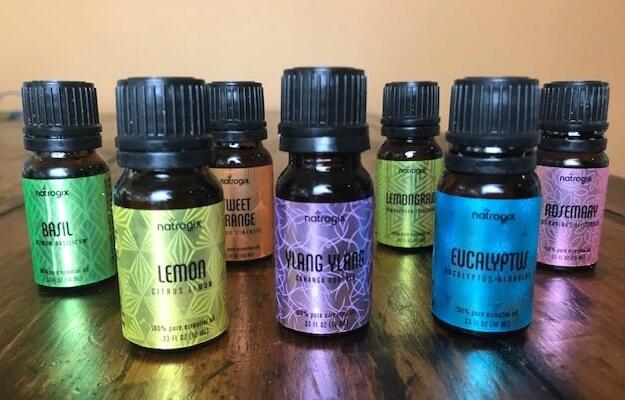
How to Choose the Right Oil for Your Bath Bomb
Start with intention, not scent preference. Ask yourself: what do I want this bath to do? Relaxation points you toward lavender, cedarwood, frankincense. Energy means citrus or peppermint. Muscle relief calls for eucalyptus or peppermint blends.
Your skin type matters too. Tea tree and eucalyptus can be drying if overused. Ylang ylang and rose geranium tend to be more balancing. If you have sensitive skin, lavender and frankincense are your gentlest options.
Budget is real — peppermint and sweet orange give you the most impact per dollar. Frankincense and ylang ylang cost more but require fewer drops. Think cost-per-bath, not cost-per-bottle.
Blending Tips: Making Your Bath Bombs Smell Like a Spa
Professional perfumers use a ratio of roughly 30% top notes, 50% middle notes, and 20% base notes. You don't need to be precise, but understanding this structure helps. Top notes (citrus, peppermint) hit you first but fade fastest. Middle notes (lavender, geranium, tea tree) form the heart. Base notes (cedarwood, frankincense) linger longest.
Three beginner-friendly blends to try:
Relaxation: 4 drops lavender, 2 drops bergamot FCF, 2 drops cedarwood
Energizing: 3 drops sweet orange, 2 drops peppermint, 2 drops eucalyptus
Muscle Recovery: 3 drops eucalyptus, 2 drops peppermint, 2 drops lavender, 1 drop frankincense
The most common mistake? Using too much oil total. More isn't better — it's irritating. Stay in the 8-12 drop range per bath bomb, and avoid combining oils from the same scent family (two florals competing, for example) unless you know they complement each other.
A Quick Word on Safety and Quality
Not all bottles labeled "essential oil" contain what you think. If a bottle of rose oil costs $8, it's synthetic. Look for oils that list the botanical name, country of origin, and extraction method. GC/MS testing reports are the gold standard for purity verification.
General maximum usage rates for bath products hover around 1-3% of the total formula weight, depending on the oil. Some require much less. Oils to avoid in the bath entirely: cinnamon bark, clove bud, oregano, and wintergreen. These are skin irritants at bath concentrations, full stop.
And always patch test a new oil before committing to a full bath. Dab a diluted drop on your inner forearm, wait 24 hours. Boring? Yes. Better than discovering a sensitivity while fully submerged? Also yes.
Frequently Asked Questions
Can I use fragrance oils instead of essential oils in bath bombs?
You can, and plenty of commercial bath bombs do. Fragrance oils offer more variety (you'll never find an essential oil that smells like "fresh linen") and they're often cheaper. The tradeoff: no therapeutic benefits, potential for synthetic irritants, and some contain phthalates. If you just want scent, fragrance oils work fine. If you want your bath to actually do something for your body, stick with essential oils.
How many drops of essential oil should I put in one bath bomb?
For a standard 2-3 oz bath bomb, 8-12 drops total is the sweet spot. This varies by oil intensity — you might use 8 drops of peppermint but 12 of sweet orange. The bath bomb size, your skin sensitivity, and whether you're blending multiple oils all factor in. When in doubt, start low. You can always make the next batch stronger.
Are essential oil bath bombs safe during pregnancy?
Some oils should be avoided during pregnancy, including rosemary, clary sage, juniper, and peppermint (especially in the first trimester). Lavender and sweet orange are generally considered safer options at normal bath bomb concentrations, but this really is a conversation to have with your healthcare provider. Every pregnancy is different, and "natural" doesn't automatically mean "safe for everyone."
Do essential oils actually do anything in bath water, or is it just the smell?
Both, honestly. The aromatherapy component is well-documented — inhaling certain compounds triggers measurable nervous system responses. Skin absorption is more debated. Your skin does absorb some oil compounds through warm, hydrated pores, but the amounts are small. Think of it this way: you're getting definite aromatherapy benefits, possible mild topical benefits, and the placebo effect of a ritual that signals "relax" to your brain. All of that combined is genuinely therapeutic, even if no single mechanism is doing heavy lifting alone.
What's the best essential oil for bath bombs if I have sensitive skin?
Lavender is the safest starting point for sensitive skin — it's anti-inflammatory and rarely causes reactions at normal dilutions. Frankincense is another gentle option with skin-soothing properties. Rose geranium works well too, particularly for dry or reactive skin. Whatever you choose, keep your total essential oil amount on the lower end (6-8 drops per bomb) and always test with a half-bomb first to see how your skin responds.