
Somewhere around 2017, my bathroom cabinet started accumulating bags of epsom salt the way a junk drawer collects batteries. A friend swore it fixed her marathon recovery. My physical therapist mentioned it offhand. Instagram made it look like self-care in a bag. So I dumped two cups into a hot bath after a brutal leg day and waited for the magic.
I felt great afterward. Looser, calmer, ready for sleep. But here's the thing that nagged me: I also feel great after a plain hot bath. Was the epsom salt actually doing something, or was I just paying three bucks for a placebo sprinkled into warm water?
Turns out, the answer is more nuanced than either the wellness industry or the skeptics want to admit. Epsom salt — magnesium sulfate — has been used since English farmers noticed their cattle wouldn't drink from a bitter spring in Epsom, Surrey, back in the 1600s. Four centuries later, it's a fixture in recovery routines, "detox" protocols, and stress-relief rituals worldwide. But the gap between tradition and clinical evidence is wide enough to drive a truck through.
Let's sort through what's real, what's wishful thinking, and what genuinely matters for your body.
What Is Epsom Salt, Chemically Speaking?
Magnesium Sulfate: The Basics
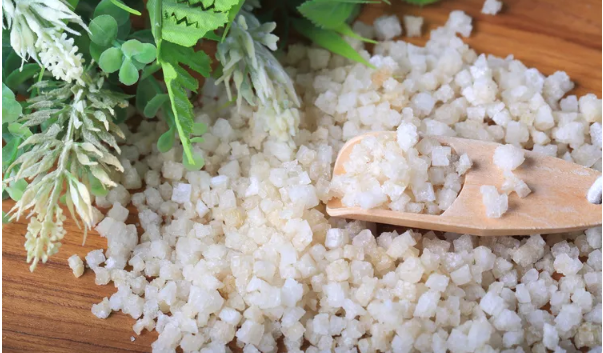
Epsom salt's chemical formula is MgSO₄·7H₂O — magnesium sulfate heptahydrate. When you toss it into warm water, it dissociates into magnesium ions and sulfate ions. That's it. No exotic minerals, no proprietary blend. Just two very common inorganic compounds floating around your bathwater.
It's worth noting this is nothing like table salt (sodium chloride) or Himalayan pink salt or Dead Sea salt. Those are primarily sodium-based. Epsom salt's claim to fame is the magnesium component, and that matters because magnesium is involved in over 300 enzymatic reactions in the human body. It plays roles in muscle contraction, nerve signaling, blood sugar regulation, and protein synthesis. Roughly half of American adults don't get enough of it from their diet.
So the logic seems straightforward: people are magnesium-deficient, epsom salt contains magnesium, soak in it and absorb what you need. Simple, right?
How It Supposedly Works
The core claim behind epsom salt bath benefits rests on something called transdermal magnesium therapy — the idea that your skin can absorb meaningful quantities of magnesium sulfate from bathwater and deliver it into your bloodstream and tissues.
This hypothesis gained traction in wellness circles partly because it feels intuitive. Your skin is permeable to some substances (nicotine patches work, after all). Magnesium is a small ion. Warm water opens pores. Connect the dots and you've got a compelling story. The problem is that compelling stories aren't the same as clinical proof.
What the Research Actually Shows
The Transdermal Absorption Question
If you've ever Googled "do epsom salt baths work," you've probably encountered a reference to a 2004 pilot study from the University of Birmingham. Researcher Rosemary Waring measured blood and urine magnesium levels in subjects who bathed in epsom salt solutions and found increases in both. The study is cited constantly — by supplement companies, wellness bloggers, and even some healthcare providers.
Here's what rarely gets mentioned: it involved only 19 subjects, lacked a proper control group, was never published in a peer-reviewed journal, and has not been replicated at scale in the two decades since. That doesn't mean it's wrong. It means we can't draw firm conclusions from it.
The skin barrier — specifically the stratum corneum, that outermost layer of dead cells held together by lipids — is designed to keep things out. Dermatologists point out that magnesium ions are hydrophilic and charged, which makes passive diffusion through this lipid-rich barrier thermodynamically unfavorable. Nicotine patches work because nicotine is a small, lipophilic molecule. Magnesium is a different beast entirely.
Some newer research from 2025 has explored whether hair follicles and sweat glands might serve as alternative absorption pathways, bypassing the stratum corneum. Results are preliminary and the quantities absorbed — if any — appear to be far below what you'd get from a single oral magnesium supplement. The magnesium sulfate absorption question remains genuinely open, but the current weight of evidence leans toward "minimal at best."
Muscle Soreness Relief: Epsom Salt vs. Plain Warm Water
Here's where things get interesting, and a little inconvenient for the epsom salt industry.
Warm water immersion by itself is a well-documented therapeutic intervention. It reduces muscle tension through direct heat application. It improves peripheral circulation. It activates the parasympathetic nervous system, lowering cortisol and heart rate. It decreases joint stiffness and pain perception. These effects are consistent, reproducible, and don't require anything dissolved in the water.
When researchers have compared muscle soreness relief soak outcomes between epsom salt baths and plain warm baths at the same temperature and duration, the differences are marginal or statistically insignificant. A 2017 review in the Journal of Sports Sciences found that water immersion temperature and duration were the primary variables driving recovery outcomes — not bath additives.
So why do people feel better after an epsom salt bath specifically? Several reasons, none of them trivial. Expectation effects are powerful — if you believe something will help, your brain's pain-modulation systems actually respond. The ritual itself matters: measuring the salt, running the bath, setting aside twenty minutes. That's a deliberate act of self-care that triggers relaxation responses independent of any chemistry happening in the water. And the placebo effect isn't "nothing." It produces measurable changes in neurotransmitter activity, pain perception, and stress hormones.
The "Detox Bath" Claim
Let's be direct about this one. The concept of detox bath effectiveness — the idea that epsom salt draws toxins out through your skin via osmosis — has no credible scientific support.
Your body already has a sophisticated detoxification system. Your liver metabolizes and neutralizes harmful compounds. Your kidneys filter waste from your blood. Your lymphatic system transports cellular debris. Your lungs expel volatile waste products. Your skin does excrete some substances through sweat, but this is a minor pathway, not a primary detox mechanism, and it doesn't work in reverse by "pulling" specific toxins outward when you sit in salt water.
The osmotic gradient argument doesn't hold up either. For osmosis to draw fluid out of your body, the bath solution would need to be hypertonic relative to your interstitial fluid. At typical concentrations (two cups in 150 liters of water), epsom salt baths are nowhere near hypertonic. Your skin would prune — which is actually a neurological response, not osmosis — but toxins aren't migrating anywhere.
Where Epsom Salt Baths Might Genuinely Help
Conditions With Some Supporting Evidence
Not everything about epsom salt is hype. There are a few legitimate, if modest, applications.
Minor wound soaking has a long history in clinical practice. Warm saline or magnesium sulfate soaks can help soften the skin around superficial infections, making drainage easier. This is old-school first aid — your grandmother's remedy — and it works through hydration and warmth, not transdermal magnesium delivery.
Foot soaks for ingrown toenails follow similar logic. Softening the surrounding skin makes it easier to manage the nail. Podiatrists still recommend this, though plain warm water with a bit of regular salt works comparably.
Taken orally, magnesium sulfate is an FDA-recognized osmotic laxative for occasional constipation. This is a completely different mechanism — it draws water into the intestines — and has nothing to do with bathing. Don't confuse the two uses.
The Indirect Benefits You Shouldn't Dismiss
I want to be careful here not to throw the baby out with the bathwater (pun intended). The ritual of an epsom salt bath has real value, even if the mechanism isn't what people think.
Warm baths taken 90 minutes before bed have been shown to improve sleep onset latency by helping your core body temperature drop at the right time. The relaxation response triggered by 15-20 minutes of quiet, warm immersion activates parasympathetic pathways that reduce anxiety and muscle guarding. Having a consistent self-care routine — whatever it contains — correlates with better stress management outcomes.
And again: placebo is a real physiological response. Your brain doesn't distinguish between "I feel better because of magnesium absorption" and "I feel better because I believe this works and my nervous system responded accordingly." The feeling-better part is identical. That's not nothing. It's just not what's being advertised.
Risks and Considerations
Who Should Skip Them
Pregnant individuals should consult their physician before regular epsom salt baths — not primarily because of the salt, but because prolonged hot water immersion can raise core body temperature to levels that concern obstetricians, particularly in the first trimester.
People with cardiovascular conditions sensitive to heat exposure (uncontrolled hypertension, certain arrhythmias) should be cautious with any hot bath, epsom salt or otherwise.
Perhaps most importantly: if you're using epsom salt baths as a substitute for medical treatment for chronic pain, inflammation, or magnesium deficiency, you're likely delaying effective intervention. A relaxing soak is a complement to healthcare, not a replacement for it.
The Bottom Line
Epsom salt baths probably aren't doing what most people think they're doing. The evidence for meaningful transdermal magnesium absorption remains weak. The "detox" claims are unsupported. The muscle recovery benefits appear to come from warm water immersion itself, not from the dissolved magnesium sulfate.
But that doesn't make them useless. The warm water is a proven therapeutic agent. The ritual has genuine psychological and physiological value. The relaxation is real, even if the mechanism is different from what the packaging suggests.
If you enjoy epsom salt baths and they help you unwind, keep taking them. Just calibrate your expectations. You're benefiting from heat, buoyancy, quiet time, and the power of intentional self-care — not from magnesium flooding through your skin into your bloodstream.
Frequently Asked Questions
How long should you soak in an epsom salt bath?
The commonly recommended duration is 15 to 20 minutes in water between 92°F and 100°F (33–38°C). This timeframe aligns with research on warm water immersion benefits — long enough to trigger parasympathetic activation and muscle relaxation, short enough to avoid skin maceration or excessive heat exposure. Going longer won't necessarily help more, and very hot baths beyond 20 minutes can leave you feeling lightheaded or dehydrated.
How much epsom salt should you add?
The typical recommendation is about 2 cups (roughly 500 grams) per standard bathtub of water. This ratio comes from traditional use rather than rigorous dose-response research. Adding more won't proportionally increase any benefits — it may just irritate your skin and waste product. If you have sensitive skin, start with one cup and see how your skin responds over a few sessions.
Can epsom salt baths help with anxiety or depression?
Warm baths in general have shown modest benefits for mood in small studies — likely through parasympathetic nervous system activation, improved sleep quality, and the psychological value of a calming routine. Whether epsom salt specifically adds anything beyond warm water for mental health outcomes is unproven. If you're experiencing clinical anxiety or depression, baths are a fine complementary practice but not a treatment. Seek professional support.
Are epsom salt baths safe for children?
For children over age 6, brief epsom salt soaks at moderate concentrations are generally considered safe. Use half the adult amount, keep the water warm rather than hot, limit soaking to 10-15 minutes, and always supervise. For younger children, plain warm water baths are preferable — their skin barrier is thinner and more permeable, making irritation more likely. Avoid epsom salt baths entirely for infants, and never let children drink the bathwater.