
Why Bother Making Your Own Bath Salts?
There's something genuinely satisfying about mixing up a batch of DIY bath salts, pouring everything into a mason jar, and knowing you made that. It's the kind of small, tangible win that just feels good on a random Tuesday evening.
Plus, homemade spa products make ridiculously good gifts — people always assume you spent way more effort than you actually did. I've shown up to housewarming parties with a $4 jar of bath salts that looked like a $30 boutique product. Nobody needs to know how easy it was.
What You'll Need: Breaking Down the Ingredients
Before we get into recipes, let's talk about what each ingredient actually does. Understanding this stuff matters because it's the difference between dumping random things in your tub and creating something that genuinely benefits your body.
The Base Salts
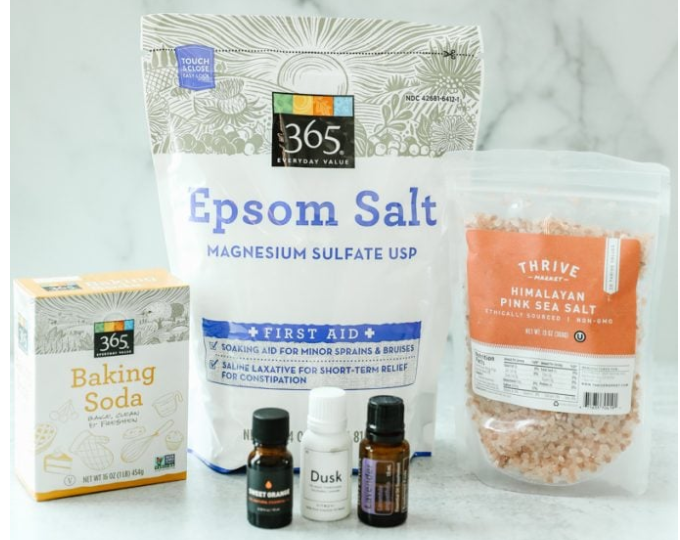
Epsom salt is the backbone of most bath salt recipes, and for good reason. It's not actually salt in the table-salt sense — it's magnesium sulfate. When you dissolve it in warm water, your skin can absorb the magnesium, which may help ease muscle tension and promote relaxation. Athletes have been soaking in Epsom salt baths for decades. The scientific evidence is still catching up to the anecdotal claims, but most people report feeling noticeably more relaxed after a good soak. That's enough for me.
Sea salt brings a different set of minerals to the party — things like potassium, calcium, and zinc. It also has a coarser texture than Epsom salt, which some people prefer for the way it dissolves more slowly. Dead Sea salt is the premium option here. It's pricier, but it contains a significantly higher concentration of minerals than regular sea salt.
Himalayan pink salt is mostly sodium chloride with trace minerals that give it that pretty pink color. Does it have magical healing properties? Probably not. But it does look gorgeous in a glass jar on your bathroom shelf, and it adds a nice mineral complexity to your soak.
My recommendation: use a blend. A 2:1 ratio of Epsom salt to sea salt gives you the best of both worlds — the magnesium benefits of Epsom with the mineral variety of sea salt.
The Extras That Make a Real Difference
Baking soda softens water and leaves your skin feeling silky. Just a tablespoon or two per batch. Don't overdo it.
Carrier oils like coconut oil, sweet almond oil, or jojoba oil add moisture to your soak. A little goes a long way — maybe a tablespoon per cup of salt. Too much oil and you'll have a slippery tub that's genuinely dangerous. I learned this the hard way.
Essential oils for bath recipes are where you get to be creative, but they're also where people make the most mistakes. We'll cover safety in detail further down because it actually matters.
Dried botanicals — lavender buds, rose petals, chamomile flowers, dried citrus peel — these are purely aesthetic and aromatic. They make your bath salts look and smell incredible. Fair warning though: put them in a muslin bag or cheesecloth before tossing them in the tub, unless you enjoy picking soggy flower petals out of your drain at 10 p.m.
The Basic Epsom Salt Soak Recipe
Here's your starting point. Once you nail this, you can customize endlessly.
Simple Relaxing Bath Soak
- 2 cups Epsom salt
- 1 cup sea salt (medium grain)
- ½ cup baking soda
- 15–20 drops essential oil of your choice
- 1 tablespoon carrier oil (optional)
- Dried flowers or herbs (optional)
Directions: Mix the salts and baking soda together in a large bowl. In a separate small bowl, combine your essential oils with the carrier oil — this helps distribute the scent more evenly instead of leaving concentrated pockets of fragrance. Pour the oil mixture over the salts and stir thoroughly. If you're adding dried botanicals, fold them in last. Store in an airtight glass jar. Use about ½ cup per bath.
That's it. Seriously, that's the whole process. Ten minutes, tops.
Four Recipes Worth Trying
Lavender Sleep Soak
This is my go-to on nights when my brain won't shut off.
- 2 cups Epsom salt
- 1 cup Himalayan pink salt
- ½ cup baking soda
- 15 drops lavender essential oil
- 5 drops chamomile essential oil
- 1 tablespoon sweet almond oil
- 2 tablespoons dried lavender buds
The relaxing bath soak benefits here are pretty straightforward — lavender has been studied extensively for its calming effects, and the magnesium from the Epsom salt supports muscle relaxation. Run a warm (not hot) bath about 30 minutes before you want to sleep, soak for 20 minutes, and you'll probably be yawning before you even dry off. I've started doing this every Sunday night and my Monday mornings have improved dramatically.
Eucalyptus Muscle Recovery Blend
Good for after a workout, a long hike, or just a rough day spent on your feet.
- 2 cups Epsom salt
- 1 cup Dead Sea salt
- 10 drops eucalyptus essential oil
- 8 drops peppermint essential oil
- 5 drops rosemary essential oil
- 1 tablespoon coconut oil
This blend leans heavily on cooling, invigorating oils. The eucalyptus and peppermint create a mild tingling sensation that feels amazing on sore muscles. Just keep this one away from your face — peppermint near the eyes is not a fun time. Trust me on that one.
Citrus Energy Boost
For mornings when you need a bath that wakes you up instead of putting you to sleep.
- 2 cups sea salt
- 1 cup Epsom salt
- 10 drops sweet orange essential oil
- 8 drops grapefruit essential oil
- 5 drops lemon essential oil
- Zest of one orange (dried)
Bright, energizing, and it makes your bathroom smell like a Mediterranean grove. Fair warning: citrus oils can make your skin more photosensitive, so maybe don't head straight to the beach immediately after this one.
Oatmeal Comfort Soak
This one's great for dry, irritated, or sensitive skin — and it's the recipe I hand out to friends who tell me their skin has been acting up.
- 2 cups Epsom salt
- 1 cup finely ground oatmeal (colloidal oatmeal)
- ½ cup baking soda
- ½ cup powdered milk
- 10 drops vanilla essential oil
- 5 drops lavender essential oil
Colloidal oatmeal has been used for skin conditions for centuries, and the powdered milk adds lactic acid which gently exfoliates. This is a genuinely soothing combo if your skin is having a bad week. It smells like a warm cookie, which is an added bonus nobody complains about.
Essential Oil Safety — Please Don't Skip This
I know it's tempting to scroll past safety sections, but essential oils are concentrated plant compounds and they deserve respect. A single drop of peppermint essential oil represents roughly 28 cups of peppermint tea. That concentration is no joke.
- Always dilute. Never apply essential oils directly to skin, and don't exceed about 20 drops per bath's worth of salt.
- Some oils irritate skin. Cinnamon, clove, and oregano oils can cause burning or redness. Stick to gentler options like lavender, chamomile, and most citrus oils for your bath blends.
- Pregnant women should consult a doctor before using essential oils in baths. Some oils — like rosemary, clary sage, and juniper — are generally advised against during pregnancy.
- Kids and pets are more sensitive. If you're making bath salts for children, cut the essential oil amount in half and skip peppermint and eucalyptus entirely. Keep all essential oils away from cats — many are toxic to them, even in small amounts.
- Quality matters. Buy 100% pure essential oils from reputable brands. If a bottle of "rose essential oil" costs $5, it's not real rose essential oil. Genuine rose otto costs upward of $100 per small bottle because it takes thousands of pounds of petals to produce.
Storage and Shelf Life
Glass jars with tight-fitting lids work best. Mason jars, old jam jars, repurposed candle containers — anything that seals well. Avoid plastic if possible, since essential oils can degrade certain plastics over time and nobody wants mystery chemicals leaching into their bath salts.
Bath salts without carrier oils or fresh ingredients will keep for six months to a year, easily. If you've added carrier oils, try to use them within three months or so before the oils go rancid. Dried botanicals are fine for long-term storage, but fresh ingredients like actual flower petals or citrus slices will cause mold. Dry everything thoroughly before mixing it in.
Keep your jars somewhere cool and dark. A bathroom cabinet works great. A windowsill where sunlight and humidity can degrade the oils? Not so much.
Gifting Tips That Actually Help
If you're making bath salts as gifts — and you should, because people genuinely love receiving homemade spa products — here are some quick notes from someone who's given away dozens of jars:
- Layer different colored salts in a clear glass jar for visual impact (pink Himalayan on top, white Epsom below)
- Tie a tag with the ingredients listed — this is important for anyone with allergies or sensitivities
- Include a small note with usage instructions so they know how much to use
- Add a wooden scoop or measuring spoon inside the jar for a nice touch
- Group a jar with a candle and a face mask for an instant gift basket that looks like you planned it for weeks
Frequently Asked Questions
How much bath salt should I use per bath?
About ½ cup is the sweet spot for a standard bathtub. You can go up to a full cup if you want a more concentrated soak, but don't dump in half the jar — more isn't always better. Too much salt can actually dry out your skin, which defeats the whole purpose.
Can I use table salt instead of sea salt or Epsom salt?
Technically yes, but you'd be missing the point. Table salt is heavily processed and stripped of the minerals that make bath salts beneficial. It's also iodized, which doesn't add anything useful to your bath. Spend the extra couple of dollars on Epsom salt — it's available at virtually every pharmacy and grocery store for around $4 to $6 per bag.
How long should I soak in bath salts?
Fifteen to twenty minutes is ideal. Beyond 30 minutes, you risk over-drying your skin or getting lightheaded from the warm water. Drink some water before and after your soak, and keep the water temperature comfortably warm rather than scalding hot. Your skin will thank you.
Are bath salts safe for sensitive skin?
Generally yes, especially if you skip fragrance oils and stick with gentle essential oils like lavender or chamomile. The oatmeal comfort soak recipe above is specifically designed for sensitive skin. But if you have eczema, psoriasis, or open cuts, check with your dermatologist first — salt in open wounds is exactly as unpleasant as it sounds.
Do homemade bath salts actually have health benefits?
The relaxation benefits are well-documented — warm water combined with magnesium-rich salts helps ease muscle tension and promotes calm. The skin-softening effects of baking soda and oils are real too. What I'd push back on is any claim about "detoxing" — your liver and kidneys handle detoxification just fine on their own. Bath salts are about relaxation and self-care, not medical treatment, and that's perfectly okay.
Can I use fragrance oils instead of essential oils?
You can, and they're definitely cheaper. But fragrance oils are synthetic and don't carry any of the potential therapeutic properties of pure essential oils. If you just want something that smells nice, fragrance oils work fine. If you want the aromatherapy benefits that come with essential oils for bath blends, go with the real thing. You'll notice the difference.