
A friendly, plain-English look at what makes this old-school bar such a big deal for modern skin, backed by real ingredient science and honest user feedback.
If you've walked past goat milk soap at a farmers market and wondered whether it actually does anything, you're not alone. It looks rustic, sometimes a little lumpy, and costs more than the three-pack at the grocery store. So what's the fuss? Turns out, quite a bit. Let's get into it.
What Exactly Is Goat Milk Soap?
Before we talk benefits, a quick primer. Goat milk soap isn't a new wellness trend. Farmers have been making it for centuries, mostly because they had extra milk and needed to bathe. The recipe hasn't changed much.
The Simple Recipe Behind the Bar
A real bar comes down to three things: fresh goat milk, a blend of oils (usually olive, coconut, and shea), and lye. That's it. When lye meets the fats, a chemical reaction called saponification kicks in, turning the mixture into soap.
Here's the cool part. Done properly at low temperatures, the milk's proteins, fats, and vitamins survive the process. The lye is fully consumed, so nothing caustic remains in the finished bar.
How It's Different From Regular Soap
Most commercial bars aren't soap in the traditional sense. They're detergent bars. Manufacturers strip out the glycerin (a natural byproduct of saponification) and sell it separately to the lotion side of their business. Which, if you think about it, is a little cheeky. They pull the moisturizing stuff out of your cleanser, then sell it back to you as cream.
True goat milk soap keeps that glycerin locked right in. That's a big reason your skin doesn't feel like sandpaper after a shower.
Cold Process vs. Melt-and-Pour
Two main methods exist. Cold process uses fresh milk mixed with lye at low temps, then cures for four to six weeks. Melt-and-pour starts with a pre-made soap base that gets remelted with a splash of milk added in.
Guess which one keeps more of the nutrients? Cold process, by a mile. If you're shopping, small-batch cold-process bars from farms or independent soapmakers are almost always the better pick.
The Real Benefits Your Skin Will Notice
Okay, the good part. Here's what actually happens when you swap out your regular bar.
It's a Natural Moisturizer for Sensitive Skin
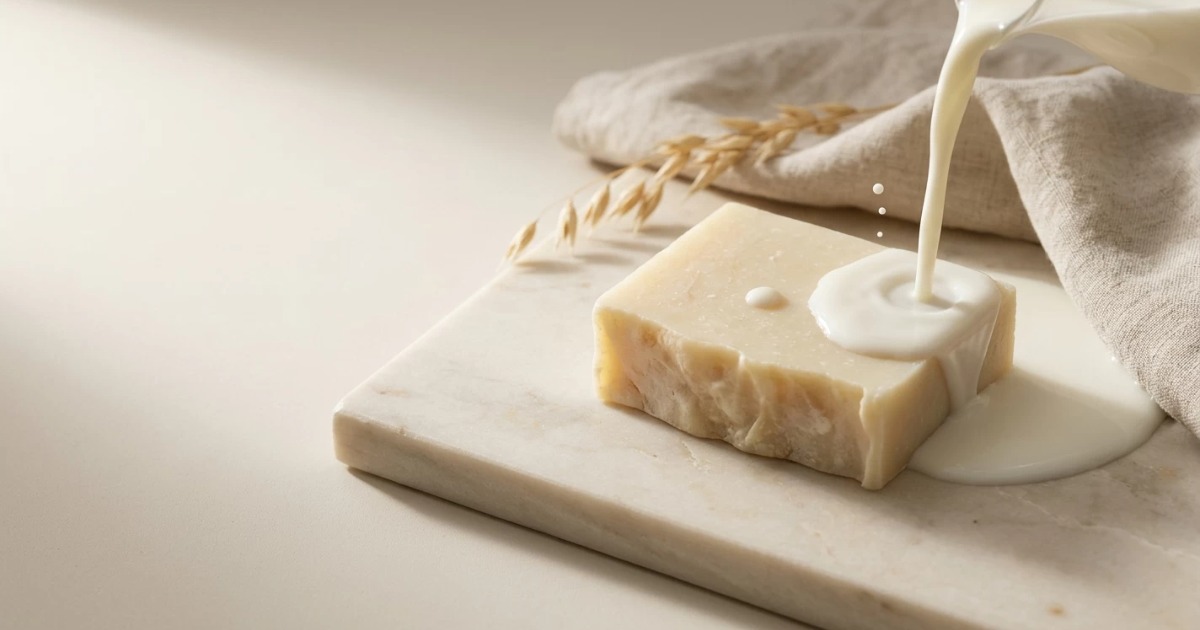
Goat milk clocks in at roughly 4% fat, with a naturally rich cream content. That fat behaves like a built-in lotion, coating skin during the wash instead of stripping it. If your skin feels tight and squeaky after a shower with commercial soap, that squeak is your skin barrier waving a white flag.
Why the Fatty Acids Matter
Two in particular, caprylic acid and capric acid, help patch up the outer skin layer. Think of them as tiny repair kits for dry spots. They fill in gaps where moisture escapes and irritants sneak in. Nothing fancy, just useful chemistry.
Gentle Lactic Acid Exfoliation
Goat milk contains naturally occurring lactic acid, a member of the alpha hydroxy acid (AHA) family. It loosens the glue holding dead skin cells together, so they rinse off instead of piling up. No scrubbing needed.
A 2024 consumer survey from the Handcrafted Soap & Cosmetic Guild found that gentle exfoliation was the number-two reason buyers made the switch from mainstream soap, right behind moisture retention. That tracks with what most people report after a couple of weeks: smoother texture without any tingling or peeling.
Better Than a Scrub for Most People
Physical scrubs (the ones with beads, walnut shells, or apricot pits) can cause microtears in the skin. You don't feel them, but over time they lead to redness and sensitivity. Chemical exfoliation from lactic acid works on a molecular level. It's slower, kinder, and safe for daily use.
A Gentle Cleanser for Eczema and Dry Patches
Parents of eczema-prone kids talk about goat milk soap a lot in online forums, and there's a reason. The National Eczema Association generally advises avoiding sulfates and synthetic fragrances, both of which most goat milk bars skip by default. No SLS, no parfum, no dyes.
It's not a cure, and nobody serious is claiming that. But swapping a foaming body wash for a plain goat milk bar removes a lot of common irritants from the daily routine.
Real User Story
A friend of mine in Oregon has a four-year-old with stubborn itchy patches on his elbows and behind his knees. She tried the pediatrician's suggested body wash, then a fragrance-free drugstore brand. Neither helped much. She picked up an unscented goat milk bar at a farmers market on a whim. Within two weeks, the patches had calmed to the point where she stopped applying steroid cream nightly. Not a miracle, just less irritation.
It Actually Respects Your Skin's pH
Human skin naturally sits between pH 4.7 and 5.5, slightly acidic. That acidity is part of what's called the acid mantle, a protective layer that keeps bacteria out and moisture in. Most commercial bars run alkaline, around pH 9 to 10, which disrupts that mantle every wash.
Goat milk soap generally lands closer to skin-friendly territory, often in the pH 6 to 7 range. Still slightly basic, but far closer to your skin's happy zone. In practice that means less stripping, less rebound oil production, and fewer weird breakout patterns that show up an hour after you clean your face.
Loaded With Nourishing Fatty Acids and Vitamins
A quick tour of what's actually in the milk:
Vitamin A — supports cell turnover and skin renewal
B vitamins (B2, B6, B12) — linked to skin tone and elasticity
Selenium — a mineral tied to UV defense support
Zinc — helps calm redness and supports healing
Nourishing fatty acids and vitamins that together feed the skin barrier from the outside in
Vitamin A: The Quiet Hero
Retinol serums get all the press, but plenty of people can't tolerate them. The naturally occurring vitamin A in goat milk is a much gentler introduction. You won't see dramatic overnight results the way prescription tretinoin cream delivers, but you also won't spend three weeks looking flaky and pink. For people who've written off retinoids entirely, it's a nice middle ground.
Who Benefits Most From Making the Switch?
Not everyone needs to run out and buy a bar today. But if you fit one of these buckets, it's worth a try.
People With Dry or Aging Skin
Menopause, harsh winter climates, over-40 skin that just doesn't bounce back like it used to. Any situation where extra moisture and gentle exfoliation matter. The fat content alone is a game changer for anyone who moisturizes twice a day and still feels dry.
Anyone With Sensitive or Reactive Skin
Rosacea, contact dermatitis, that raw feeling after shaving. Fragrance-free versions are the safest place to start. If a scented bar sounds appealing later, look for essential oils rather than synthetic fragrance oils.
Parents Looking for a Kid-Safe Option
Pediatric dermatologists tend to give a thumbs-up to simple ingredient lists. Fewer unknowns, fewer potential triggers. Goat milk soap fits that bill without being expensive specialty stuff.
Folks Trying to Cut Synthetic Ingredients
Call it clean beauty, call it minimalism, call it whatever. Some people just want to know what they're putting on their skin. A bar with four ingredients is easier to vet than a body wash with twenty-three.
How to Pick a Good Bar (Without Getting Scammed)
The market has plenty of imposters. Here's how to tell the real thing from marketing fluff.
Read the First Three Ingredients
Goat milk should be near the top of the list. If you see "water" or "sodium tallowate" listed first with goat milk buried in the middle, you're looking at a diluted or mostly-conventional bar with a splash of milk added for the label.
Watch Out for "Goat Milk Scented" Products
Yes, this exists. Some mass-market products slap on a fragrance meant to smell milky and creamy without ever containing actual milk. Read carefully.
Local Farms vs. Big Brands
Small farmstead makers usually use milk from their own herd, sometimes bottled and frozen the same day. That freshness matters. Farmers markets, Etsy shops with detailed sourcing, and small-batch soap studios tend to beat drugstore brands on quality.
Price Check
Expect to pay somewhere between $6 and $12 per bar. Anything under $3 is almost certainly mostly filler with a hint of milk powder. On the flip side, ten-dollar boutique bars aren't necessarily better than seven-dollar farm bars. Sourcing beats packaging.
How to Use It for Best Results
Face vs. Body Application
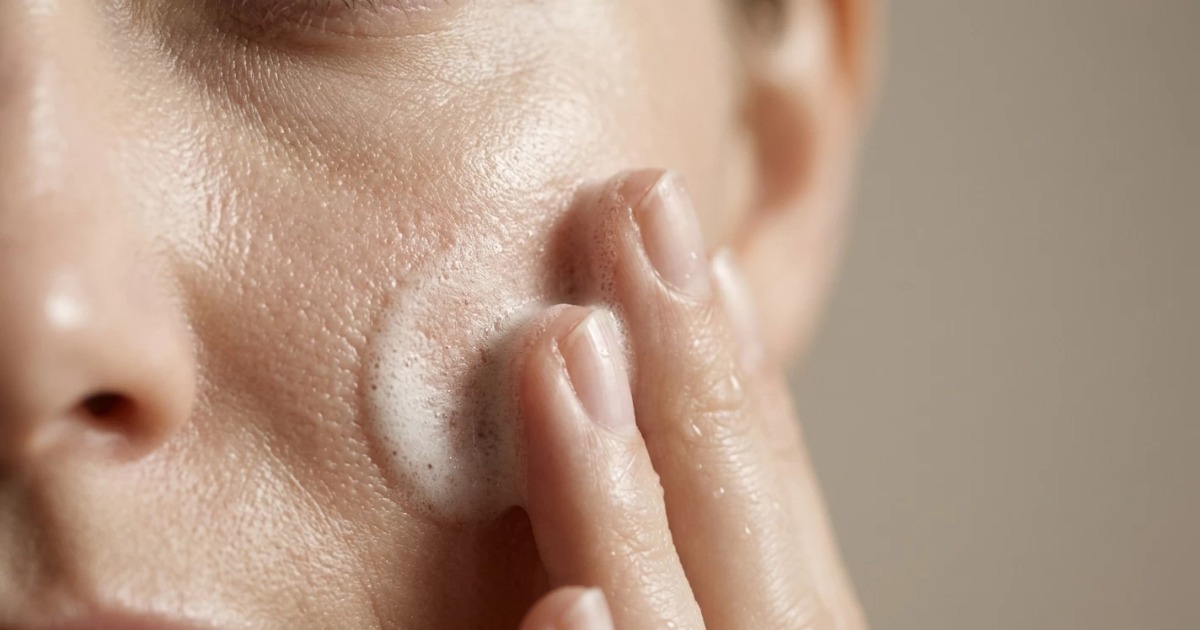
Yes, you can use it on your face. Lather it in your hands first rather than dragging the bar across your skin. For oily or combination skin, rinse thoroughly with cool water. For dry skin, a quick splash and pat-dry works better than scrubbing.
Should You Follow Up With Moisturizer?
Depends on your skin and climate. Most people still benefit from a light lotion, especially through winter. In humid summer months, you might find the soap alone leaves your skin comfortable enough to skip the extra step.
Storage Tips to Make It Last
Keep it dry between uses. Full stop. A slatted wooden dish or a soap-saver pad extends its life dramatically. Storing it in the shower stream is the fastest way to watch your money dissolve.
Final Thoughts on Making the Switch
Goat milk soap isn't magic. It won't erase wrinkles, cure eczema, or replace a proper skincare routine. What it will do is clean your skin without stripping it, give you gentle exfoliation for free, and skip most of the ingredients that tend to cause trouble.
If you're curious, buy one bar. Just one. Use it for a month and see how your skin feels. That's a low-stakes way to test whether the hype matches your experience. Plenty of people try it once and never go back to synthetic bars. Others decide it's fine but not life-changing. Either answer is valid, and you'll only know which camp you're in after actually giving it a shot.
Frequently Asked Questions
Q: Can I use goat milk soap every day?
A: Yes. Its mild pH and moisturizing profile make it daily-safe for most skin types, including on the face. If you notice unusual dryness or breakouts, scale back to every other day and reassess.
Q: Does goat milk soap help with acne?
A: The lactic acid content can help with mild breakouts by keeping pores clear of dead skin. Severe, cystic, or hormonal acne generally needs a dermatologist's plan and probably prescription treatment. Goat milk soap isn't a replacement for medical care, just a gentler daily cleanser.
Q: Is it safe during pregnancy?
A: Generally yes. It skips the harsh actives (retinoids, high-strength salicylic acid) that pregnancy guidelines flag. If you're using a heavily scented bar with essential oils, double-check with your OB, since a few oils are best avoided during pregnancy.
Q: Can I use it on my dog?
A: Plenty of pet owners do, especially for dogs with itchy or flaky skin. Go for an unscented, essential-oil-free version to be safe, since some essential oils are irritating or toxic to pets. Ask your vet first if your dog has any skin condition under treatment.
Q: Why does my goat milk soap look different from batch to batch?
A: Handmade bars naturally vary in color and texture. Milk fat content changes with the season, the goats' diet, and even the weather. A slightly different shade of cream or a tiny variation in swirl pattern is a sign of a real handmade product, not a defect.
Q: How long does one bar typically last?
A: With proper drying between uses, a standard 4-ounce bar used daily lasts three to five weeks. Sharing it among family members or using it for both face and body will shorten that. A draining dish is honestly the difference between three weeks and five.