
The Core Functions of Scented Candles
Creating Atmosphere and Ambiance
This one seems obvious, right? But it's worth saying because there's actually more going on than you think.
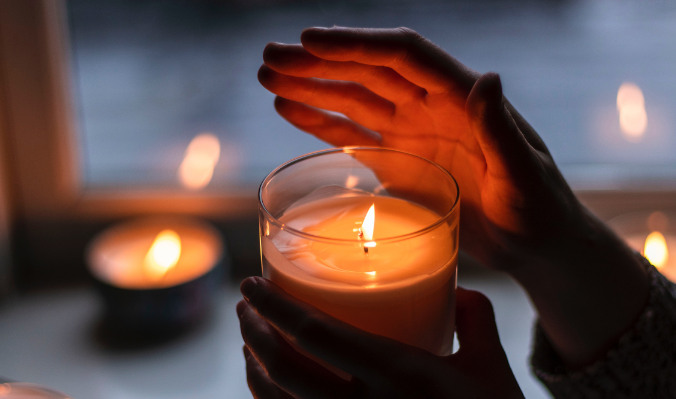
When you light a candle, you're engaging two senses at once — sight and smell. The flickering flame creates warm, low light that signals "relax" to your brain. Your phone screen does the opposite, by the way. Add a pleasant fragrance on top of that, and you've essentially built a tiny environment that tells your nervous system to calm down.
I remember one of our fragrance consultants saying something that stuck with me: "Ambiance isn't decoration. It's communication." You're communicating something to yourself when you light that candle — that it's time to slow down, or focus, or just be present for a minute. It sounds a bit philosophical for a chunk of wax with a wick in it, I know. But once you start thinking about home fragrance this way, you can't really go back.
Aromatherapy Benefits and Emotional Wellness
Okay, this is where things get really interesting. Aromatherapy isn't some fringe wellness trend anymore. There's solid research behind it, and the home fragrance industry has leaned into this heavily over the past several years.
Here's the short version of how it works: when you inhale scent molecules, they travel to your olfactory bulb, which connects directly to the limbic system — the part of your brain that handles emotions and memory. That's why a whiff of cinnamon can instantly transport you to your grandmother's kitchen. It's not poetry. It's neuroscience.
Different scents trigger different responses:
- Lavender — probably the most studied. It's associated with relaxation and stress relief, and honestly, after a brutal day at work, a lavender candle in my bathroom while I take a bath is non-negotiable for me.
- Eucalyptus and peppermint — these tend to sharpen focus and clear mental fog. I keep a eucalyptus candle at my desk. Not lit all day, just during afternoon slumps.
- Citrus scents (lemon, orange, grapefruit) — mood enhancement in a jar. They feel bright and energizing without being overwhelming.
- Vanilla and sandalwood — warm, grounding. Great for winding down before bed.
The point is, scented candles can function as a low-key, accessible form of aromatherapy. You don't need a fancy diffuser setup or an essential oil starter kit. A well-made candle does the job just fine.
Relaxation and Stress Relief
I want to give this its own section because I think it deserves more than a bullet point.
We live in a world that's constantly buzzing. Notifications, deadlines, the news cycle — it's a lot. And while a candle isn't going to solve your problems, the ritual of lighting one can serve as a psychological anchor. It's a small, intentional act that says: "I'm stepping out of the chaos for a bit."
One of my coworkers calls it her "off switch." She lights a candle when she gets home, and that's her signal that work mode is over. I started doing the same thing, and honestly, it helps more than I expected. There's something about the ritual — striking the match, watching the flame catch, waiting for the scent to fill the room — that forces you to pause. And pausing is kind of rare these days, isn't it?
I'm not going to sit here and claim a candle replaces therapy or meditation or whatever your thing is. But as a daily practice for winding down, it's shockingly effective for something so simple.
Improving Sleep Quality
This ties into relaxation, but it's specific enough to mention separately. If you struggle with falling asleep — and who doesn't sometimes — a scented candle can be part of your wind-down routine.
The key is choosing the right fragrance. Lavender is the classic pick, but chamomile and bergamot work well too. Light the candle about 30–45 minutes before bed, then blow it out before you actually get under the covers. (Please don't fall asleep with a candle burning. I shouldn't have to say this, but just in case.)
What you're doing is training your brain to associate that scent with sleep. Over time, just smelling it starts to make you drowsy. It's basically Pavlov's dog, but cozier. I've been doing this for about two years now with a chamomile-lavender blend, and my husband has started noticing the effect too — he says the smell alone makes him yawn. Which I find both hilarious and validating.
Masking and Neutralizing Odors
Let's not pretend this isn't a huge reason people buy candles. Your home fragrance game matters, and sometimes your house just... smells like life. Cooking odors, pet smells, that mysterious mustiness in the hallway closet — a good candle handles it.
But here's something I learned from our product team: there's a difference between masking and neutralizing. Cheaper candles tend to just layer a strong fragrance on top of bad smells, which can actually make things worse — you end up with this weird hybrid of fish dinner and "ocean breeze" that pleases nobody. Better-quality candles use fragrance compounds that genuinely interact with odor molecules and neutralize them.
So if you're buying candles primarily for this purpose, invest a little more. Your nose will thank you.
Enhancing Focus and Productivity
This might surprise some people, but certain scents genuinely help with concentration. Rosemary, peppermint, and lemon are the big ones. I've seen a few studies float around in industry publications suggesting that peppermint scent can improve alertness and cognitive performance.
I'm not saying a candle will make you finish your quarterly report faster. But creating a pleasant, consistent sensory environment does reduce the mental friction of settling into work. Especially if you work from home and need to carve out a "work zone" in a space that's also your living room. A specific scent can become your brain's cue that it's time to focus, the same way a specific scent can signal bedtime.
Setting the Mood for Social Gatherings
There's a reason every nice restaurant, spa, and boutique hotel uses scent strategically. It shapes how people feel in a space. When you have friends over for dinner, a candle with a warm, inviting scent — think vanilla, amber, or a soft woody blend — makes the whole experience feel more intentional and welcoming.
It's also a conversation starter, weirdly enough. People notice a good candle. "Oh, what is that? It smells amazing." Happens every single time at my place. Every time.
A Quick Note on Scented Wax Melts
I should mention these because they're basically candles' cousin and they've gotten really popular lately. Scented wax melts work on the same principle — wax infused with fragrance oils, heated to release scent — but without a flame. You use a warmer instead.
They're great if you have kids, pets, or just don't love the idea of an open flame in your home. The scent throw can be surprisingly strong, and you get more control over intensity since you can add or remove melts as needed. A lot of the same aromatherapy benefits apply here. I actually keep wax melts in my office at work since we can't have open flames in the building. Problem solved.
What to Look for When Buying Scented Candles
Since I work in this industry, people always ask me what makes a "good" candle. Here's my quick checklist — the stuff I actually look at before I buy:
- Wax type matters. Soy and coconut waxes tend to burn cleaner than paraffin. Beeswax is another solid option if you don't mind the price bump.
- Check the wick. Cotton or wood wicks are generally preferable. Avoid anything with a metal core.
- Fragrance source. A blend of essential oils and high-quality fragrance oils is ideal. "Fragrance" on a label isn't automatically bad, but transparency from the brand is a good sign.
- Burn time. A well-made candle should give you roughly 6–8 hours of burn time per ounce of wax. If the math doesn't add up, the quality probably isn't there.
- Brand reputation. Small, transparent brands often outperform big-box options. Read reviews. Ask questions. The candle community online is surprisingly passionate and helpful.
Final Thoughts
I won't pretend scented candles are life-changing in some dramatic way. They're not going to fix your career or mend a broken relationship. But they are one of those small, affordable pleasures that genuinely improve daily life if you let them. Whether it's mood enhancement after a rough day, better sleep, a more inviting home, or just a moment of quiet — candles pull more weight than they get credit for.
And honestly, in an industry full of overcomplicated products and wild marketing claims, I appreciate that a candle is simple. You light it. It smells good. You feel a little better. Sometimes that's enough.
Frequently Asked Questions
Are scented candles safe to use every day?
Generally, yes — as long as you're using quality candles made with clean-burning wax and non-toxic fragrance. Ventilate the room, trim the wick to about ¼ inch before each use, and don't burn for more than 3–4 hours at a stretch. That's really all it takes.
Can scented candles really help with anxiety?
They're not a replacement for professional treatment, but the aromatherapy benefits are well-documented. Scents like lavender and chamomile can lower cortisol levels and promote a sense of calm. Think of candles as one tool in a larger toolkit — not a cure, but a genuinely helpful support.
What's the difference between scented candles and essential oil diffusers?
Both deliver fragrance, but the experience is different. Candles give you the visual warmth of a flame and tend to create a richer, more layered scent. Diffusers offer more consistent output and no flame risk. I use both, honestly, depending on the situation and my mood.
Do scented candles expire?
Sort of. They don't go "bad" in a safety sense, but the fragrance can fade over time, especially if stored in heat or direct sunlight. Most candles are best used within 12–18 months of purchase for the strongest scent experience.
Which scents are best for home fragrance in small spaces?
Lighter scents work better — think green tea, cucumber, or light florals. Heavy scents like patchouli or strong vanilla can be overwhelming in a small room. Or just burn for shorter periods and see how the scent fills the space before committing to a long session. You can always light it again.