
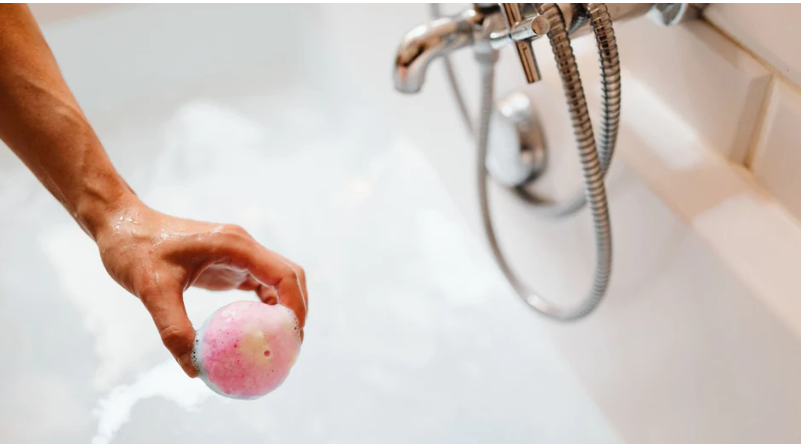
Let's be real — pregnancy is exhausting. Your back aches, your feet are swollen, and some days you just want to sink into a warm, fizzy bath and forget about everything for twenty minutes. Bath bombs seem like the perfect little luxury. That colorful fizz, the soothing scents, the way your skin feels afterward.
But then the worry kicks in. Is this safe for the baby? What about those ingredients I can't pronounce? Could the dyes cause an infection?
Here's the good news: most bath bombs are perfectly fine to use during pregnancy. The not-so-good news? "Most" isn't "all," and there are some real things you should watch out for. I've dug into what OB-GYNs actually recommend, what ingredient lists really mean, and how to make bath time both relaxing and safe throughout all three trimesters.
Is Bathing During Pregnancy Even Safe?
Before we get into bath bombs specifically, let's tackle the bigger question. Bathing during pregnancy is not only safe — it's actually encouraged by many healthcare providers as a form of prenatal self-care. Warm water can ease muscle tension, reduce swelling in the legs and ankles, and even help with the anxiety that so many expecting mothers deal with daily.
The key word here is warm, not hot.
The Temperature Rule You Can't Ignore
The American College of Obstetricians and Gynecologists (ACOG) recommends keeping your bath water temperature below 100°F (38°C). Anything hotter can raise your core body temperature — a condition called hyperthermia — which has been linked to neural tube defects, particularly during the first trimester.
A simple way to check? If you're sweating or your skin turns red, the water is too hot.
This warm bath water temperature guideline matters more than any bath bomb ingredient, honestly. Get this part right, and you've already handled the biggest risk.
What's Actually Inside a Bath Bomb?
Most bath bombs contain a pretty simple base:
- Baking soda (sodium bicarbonate) — the fizzing agent
- Citric acid — reacts with baking soda to create those bubbles
- Epsom salt or sea salt — for that soothing mineral soak
- Carrier oils like coconut or sweet almond — moisturizing
- Fragrance or essential oils — the scent
- Colorants and dyes — the visual appeal
- Cornstarch — helps bind everything together
On their own, most of these are harmless. The concerns during pregnancy come down to three specific areas: essential oils, artificial fragrances, and dyes.
Essential Oils: The Ingredient That Needs the Most Attention
Not all essential oils are created equal when it comes to essential oils pregnancy safety. Some are considered perfectly fine in small, diluted amounts. Others? Doctors say skip them entirely.
Generally considered safe in bath bomb concentrations:
- Lavender
- Chamomile
- Ylang-ylang
- Citrus oils (lemon, sweet orange, grapefruit)
Best avoided during pregnancy:
- Clary sage — may stimulate contractions
- Rosemary — linked to uterine stimulation in high doses
- Cinnamon bark
- Juniper berry
- Pennyroyal — this one is outright dangerous, though it's rare in commercial products
- Wintergreen
Now, here's some important context that a lot of sources gloss over. The concentration of essential oils in a single bath bomb is typically very low — we're talking fractions of a percent that then get diluted in an entire tub of water. The risk from one bath bomb with a bit of rosemary oil is, realistically, minimal.
But why take even a small chance when there are so many pregnancy-safe bath products out there?
If you can't identify the essential oils in a product — if the label just says "fragrance" — that's a whole separate concern worth understanding.
What "Fragrance" on a Label Actually Means
That single word "fragrance" on an ingredient list can represent dozens of undisclosed chemicals. Some of these may include phthalates, which researchers have flagged for potential endocrine-disrupting effects. Under current regulations, companies aren't required to break down what's hiding inside that umbrella term.
For pregnant women, choosing bath bombs that list their scent sources specifically — like "lavender essential oil" rather than just "fragrance" — is simply a smarter move. It's not about being paranoid. It's about making an informed choice when you actually have the option to do so.
Dyes and Your Body During Pregnancy
Here's something a lot of articles skip over entirely: pregnancy changes your vaginal pH. You're already more susceptible to yeast infections and bacterial vaginosis during these nine months. Artificial dyes and certain chemical additives can further irritate sensitive tissue and throw things off even more.
Does that mean you can never use a brightly colored bath bomb? No. But it does mean a few things matter:
- Don't soak for excessively long periods — 15 to 20 minutes is plenty
- Rinse off with clean water afterward
- If you notice any irritation, itching, or unusual discharge after using a bath bomb, stop using that product and mention it to your provider
Plenty of women find that switching to dye-free bath bombs during pregnancy eliminates any issues entirely. It's a small adjustment that can save you a lot of discomfort.
How to Choose Pregnancy-Safe Bath Products
Read the Label Like It Matters (Because It Does)
Look for bath bombs that check these boxes:
- Free of artificial dyes or made with natural colorants like mica or plant-based pigments
- Scented with identified essential oils rather than mystery "fragrance"
- Free of parabens and sulfates
- Made with simple, recognizable ingredients
Several brands now market specifically pregnancy-safe lines. Whether or not you go that route, checking the ingredient list takes thirty seconds and gives you real, useful information.
Consider Making Your Own
This is honestly one of the best pieces of advice I can offer. DIY bath bombs are surprisingly easy to make, and you control every single ingredient. Here's a basic recipe:
- 1 cup baking soda
- ½ cup citric acid
- ½ cup Epsom salt
- ½ cup cornstarch
- 2 tablespoons coconut oil (melted)
- A few drops of lavender essential oil
- Optional: a tiny bit of natural food coloring
Mix the dry ingredients together, slowly add the wet ingredients, pack the mixture into molds, and let them dry for 24 hours. That's it. You get the fizz, the scent, and the relaxation — without any ingredient guesswork. I made a batch of these during my second trimester and honestly preferred them to the store-bought ones.
Trimester-by-Trimester Considerations
First Trimester
This is when your baby's neural tube is developing, so the warm bath water temperature rule is most critical here. Essential oil sensitivity tends to be higher too, partly because nausea can make you react strongly to scents you'd normally enjoy. Go mild. Plain Epsom salt baths are a great option if strong fragrances are making you queasy.
Second Trimester
Many women feel their best during this stretch, and bath bombs can become part of a lovely prenatal self-care routine. You've usually got more energy, morning sickness has eased up, and a relaxing soak can do wonders for the round ligament pain that often kicks in around this time. This is when most expecting mothers really start to enjoy their bath rituals.
Third Trimester
Swelling, back pain, trouble sleeping — a warm bath can address all of these. Just be practical about getting in and out of the tub safely. A non-slip mat and a grab bar aren't glamorous, but they matter. Your center of gravity has shifted significantly by now, and the last thing you need is a bathroom fall.
Also worth noting: if your water has broken or your provider has placed you on any restrictions, check before taking a bath at all.
The Bottom Line
Pregnancy doesn't mean you have to give up every small pleasure. Bath bombs, when chosen thoughtfully, can be a safe and genuinely restorative part of your routine. Keep the water warm, read your labels, avoid the handful of essential oils that raise legitimate concerns, and rinse off afterward.
Sometimes the uncomplicated choice really is the best one — and your tired, pregnant body will thank you either way.
Frequently Asked Questions
Can bath bombs cause a yeast infection during pregnancy?
Bath bombs themselves don't directly cause yeast infections. But the combination of artificial dyes, fragrances, and the altered vaginal pH that comes with pregnancy can create conditions where infections become more likely. Rinsing off with clean water after your bath and choosing dye-free, fragrance-minimal products reduces this risk significantly.
How long should a pregnant woman stay in the bath?
Fifteen to twenty minutes is the sweet spot. That gives you enough time to relax and enjoy the full bath bomb experience without risking your body temperature climbing too high. If you start feeling lightheaded, dizzy, or overly warm at any point, get out sooner. Trust what your body is telling you.
Can I use bath bombs in my first trimester?
Yes, with extra caution. Stick to unscented or lightly scented options, keep the water warm (not hot), and limit your soak time. The first trimester is when both you and the baby are most sensitive to temperature changes and chemical exposure, so this is the time to play it safe.
Should I talk to my doctor before using bath bombs?
If you have a high-risk pregnancy, a history of preterm labor, or any specific skin conditions, absolutely bring it up at your next appointment. For uncomplicated pregnancies, most providers consider standard bath bomb use to be low-risk — but mentioning it never hurts, and your doctor may have specific brand recommendations.
Are essential oil diffusers safer than bath bombs during pregnancy?
They're different types of exposure. Diffusers deliver scent through inhalation, while bath bombs involve both skin contact and inhalation. The same essential oils pregnancy safety guidelines apply to both methods. Avoid the oils flagged as unsafe regardless of how you're using them — the concern is about the compound itself, not the delivery method.