
Bath time just got a lot more exciting for kids — and a lot more complicated for parents. Those colorful, fizzing spheres that dissolve into swirls of color and scent have become a staple in many households. But before you toss one into the tub for your little one, there are some important things worth understanding.
This guide breaks down everything from ingredients to age guidelines, so you can make bath time both fun and safe.
Why Bath Bombs Are So Popular With Kids
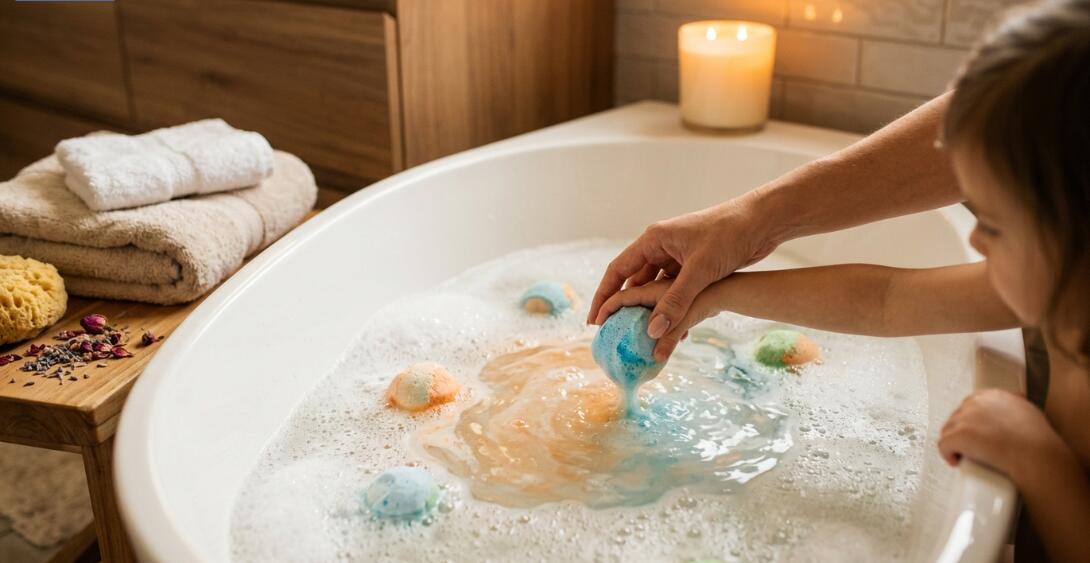
It's not hard to see the appeal. Bath bombs fizz, change the water color, release pleasant scents, and sometimes even reveal hidden toys or glitter. For kids, it transforms an ordinary bath into a mini science experiment meets treasure hunt.
The market for kids-specific bath products has grown significantly in recent years, with brands competing to offer the most exciting sensory experiences. From unicorn-themed fizzies to dinosaur egg bath bombs with surprise figures inside, the options are endless.
But here's the thing — excitement shouldn't override caution. Not all bath bombs are created equal, and what works for an adult's skin may not be appropriate for a child's. Approaching these products with informed awareness helps you say "yes" to the fun while minimizing potential risks.
Understanding What's Inside a Bath Bomb
Common Ingredients in Standard Bath Bombs
At their core, most bath bombs share a simple base: baking soda (sodium bicarbonate) and citric acid. When these two meet water, you get that satisfying fizz. So far, so harmless.
The complications arise with everything else manufacturers add — synthetic fragrances, artificial dyes, essential oils, glitter, and various binding agents. Adult formulations often contain higher concentrations of these additives because mature skin can typically handle them without issue.
Children's skin, however, is a different story. It's thinner, more permeable, and more reactive. What feels luxurious on adult skin can trigger irritation, dryness, or allergic responses in young children.
Child-Safe Bath Bomb Ingredients to Look For
When shopping for child-safe bath bomb ingredients, look for products that prioritize gentle skin formulations for children. This means plant-based colorants (like beetroot powder or spirulina) instead of synthetic dyes, minimal or no added fragrance, and moisturizing agents like coconut oil or shea butter.
You'll also see products labeled as hypoallergenic bath fizzies. It's worth knowing that "hypoallergenic" isn't a regulated term — it simply means the manufacturer claims the product is less likely to cause allergic reactions. It doesn't guarantee your child won't react.
For greater confidence, look for non-toxic bath products that carry third-party certifications. Organizations that independently test for harmful chemicals provide more reliable assurance than marketing language alone.
Key Safety Concerns for Children
Skin Sensitivity and Allergic Reactions
Children's skin is up to 30% thinner than adult skin, which means it absorbs substances more readily. This increased permeability makes kids more vulnerable to irritants found in bath products.
Common culprits include synthetic fragrances (often listed simply as "fragrance" or "parfum" on labels), artificial dyes (particularly FD&C colors), and glitter particles that can cause micro-abrasions. Even some natural essential oils can be too potent for young skin.
Before using any new bath bomb, perform a simple patch test. Dissolve a small piece in water and apply it to a small area of your child's inner arm. Wait 24 hours. If there's no redness, itching, or irritation, it's likely safe for a full bath.
Eye and Respiratory Irritation
Kids splash. That's just a fact of bath time. When the water is loaded with dyes and fragrances, splashing means those substances can easily reach eyes, causing stinging and irritation.
Strong scents can also affect children with developing respiratory systems. Some kids may cough, sneeze, or feel uncomfortable breathing in heavily fragranced steam. This is especially relevant for children with asthma or respiratory sensitivities.
A practical tip: keep your child's face away from the bath bomb during the initial fizzing phase, when the release of fragrance and particles is most concentrated.
Risks of Ingestion
Bright colors and sweet smells can make bath water look drinkable to a curious toddler. Some bath bombs even smell like candy or fruit, which doesn't help matters.
While a small sip of bath bomb water is unlikely to cause serious harm, ingesting pieces of an undissolved bath bomb could cause stomach upset. For toddlers and preschoolers, direct supervision during kids bath time safety is absolutely non-negotiable.
UTI and Irritation Concerns
Pediatric sources have noted a connection between fragranced bath products and urinary tract irritation, particularly in girls. The fragrances and dyes in bath bombs can disrupt the delicate pH balance of sensitive areas, potentially leading to discomfort or increased UTI risk.
To reduce this risk, limit soak time in bath bomb water, ensure your child rinses off with clean water afterward, and choose fragrance-free options when possible. If your child experiences discomfort during urination after using a bath bomb, discontinue use and consult your pediatrician.
Age Guidelines — When Can Kids Start Using Bath Bombs?
There's no universal rule carved in stone, but most pediatric experts suggest waiting until a child is at least 3 years old before introducing bath bombs. Before that age, skin is especially sensitive, and the risk of ingestion is higher.
Even after age 3, it's wise to start slowly. Use half a bath bomb rather than a full one. Choose the gentlest formulation you can find. And watch how your child's skin responds over the following 24 hours.
Every child is different. Some 5-year-olds may react to products that an older sibling tolerates perfectly. Adjust frequency and product choice based on your individual child's skin response rather than relying solely on age recommendations.
How to Choose the Safest Bath Bombs for Kids
Reading Labels Like a Pro
Flip that package over. The ingredient list tells you far more than the front-of-box marketing. Red-flag ingredients to avoid include parabens, phthalates, sodium lauryl sulfate (SLS), and heavy synthetic dyes.
Be aware of label language too. "Natural" has no legal definition in cosmetics. "Organic" should ideally be backed by certification. "Dermatologist-tested" means a dermatologist looked at it — not necessarily that they approved it for children. Look for specifics like "pediatrician-recommended" or "formulated for sensitive skin."
Trusted Certifications and Standards
Third-party certifications carry more weight than brand claims. Look for cruelty-free certifications (Leaping Bunny, PETA), organic certifications (USDA Organic, COSMOS), and any indication of independent lab testing.
Brands that are transparent about ingredient sourcing and publish full ingredient lists on their websites tend to be more trustworthy. If a company won't tell you exactly what's in their product, that's a signal to look elsewhere.
DIY Bath Bombs as a Safer Alternative
Making bath bombs at home gives you complete control over what goes into them — and it doubles as a fun craft activity with your kids.
A simple recipe: mix 1 cup baking soda, ½ cup citric acid, ½ cup cornstarch, and 2-3 tablespoons of melted coconut oil. Add a few drops of natural food coloring for color. Press into molds and let dry for 24 hours.
The benefits are clear — you know every single ingredient, you can skip anything your child is sensitive to, and the process itself becomes part of the fun. Just note that citric acid can irritate skin and eyes in its dry, concentrated form, so handle the mixing yourself with younger children.
Kids Bath Time Safety Best Practices
Supervision and Water Temperature
Always supervise children under 6 during bath time, regardless of whether bath bombs are involved. With bath bombs in the mix, supervision becomes even more important to prevent ingestion and eye contact.
Keep water temperature lukewarm — around 98-100°F (37-38°C). Hot water opens pores and increases ingredient absorption through the skin. It also intensifies fragrance release, which can overwhelm small respiratory systems.
Limiting Soak Time
Fifteen to twenty minutes is the sweet spot. Longer soaks mean more prolonged exposure to whatever's dissolved in the water, increasing the chance of irritation.
After a bath bomb bath, always rinse your child off with clean, plain water. This removes any residual dyes, fragrances, or other ingredients sitting on the skin. Think of it as a quick final rinse — it doesn't need to be a second bath.
One Bomb at a Time
It's tempting to let kids go wild with multiple bath bombs for maximum color and fizz. Resist the urge. Using one product at a time makes it much easier to identify what caused a reaction if one occurs.
Keep bath time simple. One bath bomb, no additional bubble bath or scented products layered on top. This "one variable at a time" approach is your best friend for troubleshooting any skin sensitivities.
What to Do If Your Child Has a Reaction
Watch for these signs after bath bomb use: redness, itching, hives, rash, dry patches, or discomfort during urination. Reactions can appear immediately or up to 24 hours later.
If you notice a reaction, take these immediate steps: rinse your child thoroughly with clean, lukewarm water. Pat skin dry gently (don't rub). Apply a fragrance-free, gentle moisturizer or a thin layer of petroleum jelly to affected areas. Remove that specific product from your rotation permanently.
Contact your pediatrician if the reaction is severe, covers a large area, involves swelling or difficulty breathing, or doesn't improve within a day or two. Bring the product packaging with you so the doctor can review the ingredients.
Frequently Asked Questions (FAQ)
Are bath bombs safe for babies?
Generally, bath bombs are not recommended for infants under 12 months. Baby skin is extremely delicate and still developing its protective barrier. Plain warm water is the safest choice for babies, possibly with a gentle, pediatrician-approved cleanser. If you want to make bath time special for an infant, consider plain oatmeal baths instead — soothing and free of added chemicals.
Can bath bombs cause yeast infections in children?
Bath bombs themselves don't directly cause yeast infections, but they can cause irritation that mimics or contributes to infection-like symptoms. Fragrances and dyes can disrupt the natural balance of bacteria and yeast in sensitive areas, creating an environment where infections are more likely to develop. If your child experiences persistent itching, unusual discharge, or recurring discomfort, see your pediatrician to determine whether it's irritation or an actual infection requiring treatment.
How often can my child use a bath bomb?
Once or twice per week is a reasonable limit for most children. This gives skin time to recover between exposures and reduces cumulative irritation risk. Monitor your child's skin between uses — if you notice increasing dryness or sensitivity, scale back further. Some children with eczema or very sensitive skin may do best with bath bombs reserved for occasional special treats rather than regular use.
Are "surprise toy" bath bombs safe for young kids?
The bath bomb itself may be fine, but the toy inside can pose a choking hazard for children under 3. Check age ratings on the packaging carefully — small parts warnings exist for good reason. Even for older children, make sure the toy is fully revealed before letting them play with it in the water, as partially dissolved bath bomb material clinging to a small toy could be a concern if mouthed.
Do bath bomb dyes stain skin or bathtubs?
Some do, some don't. Synthetic dyes are more likely to leave temporary staining on skin, nails, and bathtub surfaces. Plant-based colorants tend to rinse away more easily. To minimize staining, avoid letting dyed water sit in the tub after draining — rinse the tub immediately. For skin staining, gentle soap and water usually removes color within a wash or two. If staining is a concern, look for bath bombs specifically labeled as "no-stain" formulations.
The Bottom Line on Bath Bombs and Kids
Bath bombs and kids can absolutely coexist — it just takes a little homework on your part. The core principles are straightforward: read ingredient labels carefully, choose gentle formulations designed for children, supervise young kids during use, and limit soak time.
Bath time should be enjoyable, and there's no reason to eliminate the fun entirely. With the right products and precautions, those fizzy, colorful baths can remain a highlight of your child's routine without compromising their comfort or health.
When in doubt about a specific ingredient or if your child has known skin conditions, a quick conversation with your pediatrician can provide personalized guidance. They can help you navigate which products are appropriate for your child's unique needs — because no one knows your kid's skin better than their doctor and you.