
What Exactly Is a Bath Bomb?
The Basic Idea
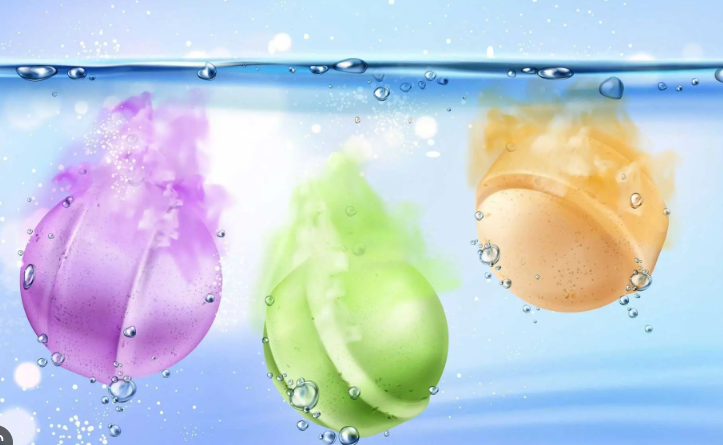
A bath bomb is a compact, usually round ball made from a blend of dry ingredients. You drop it into warm bathwater, and it fizzes apart, releasing color, fragrance, and skin-nourishing oils into the water. Think of it as a little package that turns an ordinary bath into something closer to an aromatherapy soak.
What's Inside One?
Every bath bomb starts with two key ingredients: baking soda (sodium bicarbonate) and citric acid. When these hit water, they react and produce carbon dioxide — that's your fizz. Simple chemistry, surprisingly satisfying to watch.
Beyond the base, you'll typically find carrier oils like coconut oil, sweet almond oil, or jojoba oil. These are what make your skin feel soft after soaking. Then there are essential oils or fragrance oils — lavender, eucalyptus, peppermint, rose — which handle the aromatherapy side of things.
And then there are the extras. Epsom salts for muscle relief. Dried flower petals for aesthetics. Mica colorants for those gorgeous swirling colors. Clays and butters for added skin benefits. Some brands go all out; others keep it minimal.
One thing worth knowing: not all bath bombs are created equal. The difference between a $2 gas station bath bomb and a handcrafted one from a small-batch maker is enormous. Ingredient quality matters more than most people realize.
The Core Uses of Bath Bombs
Relaxation and Stress Relief
This is the big one, and it's not just marketing fluff. The fizzing action itself is genuinely part of the experience — there's something almost meditative about watching it dissolve. Your brain gets a moment to stop spinning. Combine that with warm water and a calming scent, and your body starts responding. Cortisol drops. Muscles loosen. Your breathing slows down.
Certain scents are specifically chosen for their calming properties. Lavender, chamomile, and ylang-ylang show up constantly in bath fizzy relaxation products because they've been used in aromatherapy for centuries. Do they cure anxiety? No. But do they help you decompress after a rough day? In my experience, absolutely.
Here's what I think gets overlooked, though: the simple act of drawing a bath forces you to slow down. You have to wait for the tub to fill. You have to set aside time. You can't scroll through your phone without risking dropping it in water. That forced pause matters more than people give it credit for.
Skin Moisturizing and Softening
When a bath bomb dissolves, the oils and butters inside disperse into the water. As you soak, your skin absorbs them. It's a skin moisturizing bath in the most literal sense — you're essentially marinating in nourishing ingredients.
This is especially noticeable during dry winter months, or if you're someone who naturally deals with dry, tight-feeling skin. The baking soda component also softens hard water, which on its own can make your skin feel noticeably smoother.
There's a real difference between soaking in plain water and soaking in water with dissolved oils. Plain water can actually strip moisture from your skin if you stay in too long. A well-made bath bomb counteracts that by replenishing oils as you soak.
Aromatherapy Benefits
Essential oil bath products work on two levels simultaneously. First, you inhale the scented steam, which delivers volatile compounds directly to your olfactory system. Second, some of those compounds absorb through your skin during the soak.
Different oils serve different purposes. Eucalyptus and peppermint are fantastic for congestion and mental clarity — perfect when you're fighting off a cold. Citrus oils like orange, lemon, and grapefruit tend to be mood-boosting and energizing, great for a morning bath if that's your thing. Rose and jasmine lean more toward emotional comfort and are popular choices for winding down.
Quick reality check: aromatherapy supports wellness. It's a complement to feeling good, not a medical treatment. If someone tells you a bath bomb will cure your insomnia or heal your depression, they're overselling it. But as part of a broader self-care routine? It genuinely helps.
Muscle and Joint Soothing
Bath bombs that contain Epsom salts bring magnesium sulfate into the mix. There's decent evidence that magnesium absorbed through the skin can help ease muscle tension and general soreness. Athletes use Epsom salt baths regularly, as do people with physically demanding jobs or anyone who just overdid it on leg day.
I'll be honest — the warm water itself is doing a lot of the heavy lifting here. Heat increases blood flow, relaxes tight muscles, and reduces joint stiffness on its own. The bath bomb enhances what a hot soak already does naturally. Think of it as an upgrade, not a replacement.
Uses You Might Not Have Thought Of
Setting the Mood and Creating Atmosphere
Some bath bombs turn your water deep indigo blue. Others create swirling galaxies of pink and gold. A few even have glitter that catches the light. It's a visual experience, full stop.
And you know what? Some people use them purely for the aesthetic — for the Instagram photo, for the ambiance, for making a random Tuesday evening feel a little more special. That's completely valid. Not everything needs a functional justification. Sometimes beautiful is enough.
They're popular for date nights, self-care Sundays, or just those evenings when you need to feel like you're doing something for yourself rather than checking items off a to-do list.
Gifting and Special Occasions
Bath bombs make genuinely great gifts because they hit a sweet spot: they're affordable, universally appealing, and feel thoughtful without being overly personal. You can give them to a coworker without it being weird. You can give them to your mother-in-law without overthinking it.
Gift sets are a go-to for birthdays, holidays, teacher appreciation, and bridal showers. They photograph well, they smell wonderful on display, and they don't require the recipient to already own specific equipment or have particular tastes. Low commitment, high charm.
Kids' Bath Time
If you've ever wrestled a reluctant kid into the bathtub, you already know the value of fizzing bath tablets that turn water fun colors. Some come in dinosaur shapes. Some have small toys hidden inside. For a kid, it transforms bath time from a chore into an event.
Important caveat here: always check ingredients when buying bath bombs for children. Skip anything with heavy synthetic fragrance, glitter (it can irritate eyes), or strong dyes that might bother young, sensitive skin. Kid-specific formulations exist for a reason — use them.
Foot Soaks
No bathtub? No problem. Drop a bath bomb into a basin of warm water and give yourself a foot soak. Peppermint or tea tree varieties work especially well for tired, achy feet after a long day of standing or walking.
This is a practical option that doesn't get mentioned enough. Not everyone has access to a tub, and plenty of people simply prefer showers. A foot soak lets you enjoy the benefits without the full bath commitment.
How to Actually Get the Most Out of a Bath Bomb
Water Temperature Matters
Aim for warm — around 36 to 38°C (roughly 97 to 100°F). Not scalding. If the water is too hot, you'll sweat out moisture rather than absorbing the oils your bath bomb is releasing. Warm water opens your pores gently, letting those nourishing ingredients penetrate your skin more effectively.
Timing Your Soak
Drop the bomb in while the tub is still filling. This gives it time to fully dissolve and distribute evenly throughout the water. Then aim for about 15 to 20 minutes of soaking. Longer isn't necessarily better — extended soaks can actually dry out your skin, which defeats the purpose.
If your bath bomb was heavily colored or contained glitter, rinse off lightly with clean water when you're done. Your towels will thank you.
Pairing With Other Self-Care
A bath bomb works best as one piece of a larger ritual. Throw on a face mask. Put on some calming music or a podcast. Dim the lights. Bring a book if you're careful with it. The point is to actually let yourself relax — not just sit in scented water while mentally composing tomorrow's grocery list.
Things to Watch Out For
Skin Sensitivity and Allergies
Synthetic fragrances and artificial dyes can irritate sensitive skin. If you're trying a new brand, consider a patch test first — dissolve a small piece in water and soak your hand for a few minutes. If your skin reacts, that bomb isn't for you. Look for products labeled "for sensitive skin" or those using only natural colorants and essential oils.
Bathtub Staining
Dark-colored bombs or those loaded with glitter can leave residue. The fix is simple: rinse the tub immediately after draining. Don't let the water sit and dry — that's when staining happens. Generally, mica-based colorants rinse away cleaner than synthetic dyes do.
Quality Varies — A Lot
Cheap bath bombs often rely on filler ingredients, artificial fragrance, and minimal actual oils. They fizz, they smell, they color the water — but they don't do much for your skin. Reading the ingredient list is worth the ten seconds it takes. Shorter lists with ingredients you can actually recognize are usually a better sign. Handmade or small-batch brands tend to use higher-quality oils and butters, though they'll cost a bit more.
Bath Bombs vs. Other Bath Products
| Product | Fizz | Moisturizing | Aromatherapy | Visual Effect |
|---|---|---|---|---|
| Bath Bomb | ✅ Strong | ✅ Moderate-High | ✅ Yes | ✅ High |
| Bath Salts | ❌ No | ⚠️ Low | ✅ Yes | ❌ Minimal |
| Bubble Bath | ❌ No | ⚠️ Varies | ✅ Yes | ✅ Moderate |
| Bath Oil | ❌ No | ✅ High | ✅ Yes | ❌ Minimal |
| Fizzing Bath Tablets | ✅ Moderate | ⚠️ Low | ✅ Sometimes | ⚠️ Varies |
The big appeal of bath bombs is that they combine multiple benefits into a single product. You get fizz, moisture, scent, and color all at once. That said, they're not inherently "better" than bath salts or bath oils — they're just more of an all-in-one experience. If your main goal is deep skin moisturizing, a dedicated bath oil might actually serve you better. If you want muscle relief above all else, plain Epsom salts are hard to beat. Bath bombs are the generalists of the bath product world, and they're very good at it.