
Let me save you some scrolling. CBD bath bombs will not get you high. Not a little. Not "kind of." Not at all. They contain cannabidiol, which is a non-intoxicating compound, and dropping one into your bathtub is about as psychoactive as dropping in a handful of Epsom salts.
But that simple answer doesn't capture the full picture. There's a reason this question keeps getting asked, and there's genuinely interesting science behind what CBD bath bombs do to your body.
Why This Question Keeps Coming Up
The CBD-THC Confusion That Won't Die
Here's the thing: CBD comes from cannabis. So does THC. For a lot of people, that's where the distinction ends. They hear "cannabis-derived" or "hemp-infused" on a product label and their brain jumps straight to marijuana. It's an understandable leap, honestly. The cannabis plant produces over a hundred different cannabinoids, and the two most famous ones — THC and CBD — get lumped together constantly in casual conversation, news headlines, and even some poorly written product descriptions.
Marketing doesn't help. Brands love using words like "hemp-infused bath soak" or "cannabis wellness" because those terms carry a certain mystique. They sound edgy. They suggest something potent. But the reality is far more mundane. CBD is to THC what decaf is to espresso — same plant family, completely different experience.
What's Actually Inside a CBD Bath Bomb
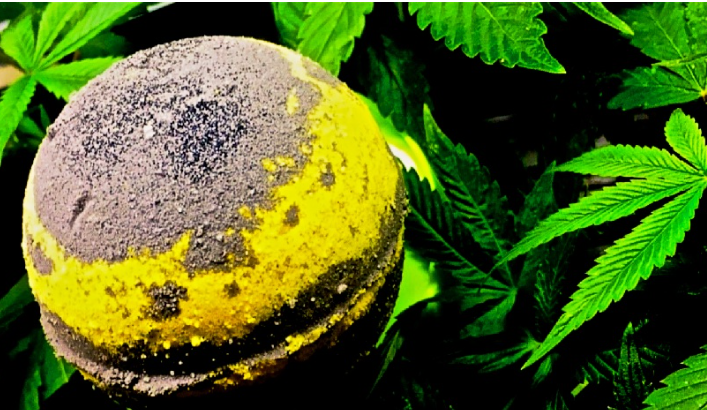
A typical CBD bath bomb contains cannabidiol (usually as an isolate or broad-spectrum extract), Epsom salts, baking soda, citric acid, essential oils like lavender or eucalyptus, a carrier oil such as coconut or jojoba, and sometimes colorants or dried botanicals for visual appeal. The CBD itself usually ranges from 25mg to 200mg per bomb.
Under federal law, legal CBD products must contain 0.3% THC or less. In a bath bomb weighing around 150 grams, that translates to a pharmacologically irrelevant trace — we're talking fractions of a milligram, dissolved across an entire bathtub of water. Even if you somehow absorbed every molecule of it through your skin, you wouldn't feel a thing.
How CBD Interacts With Your Body in Water
Cannabidiol Topical Absorption — What the Science Says
This is where things get interesting, and where I think a lot of CBD marketing stretches the truth. Your skin is a remarkably effective barrier. That's literally its job — keeping things out. When CBD dissolves in bathwater and contacts your skin, it doesn't just waltz into your bloodstream like an oral capsule or an inhaled vapor would.
Dermatological research on transdermal cannabinoid delivery shows that CBD can penetrate the outer layers of skin, particularly when paired with carrier oils that enhance permeability. But "penetrating the skin" and "reaching your bloodstream in meaningful concentrations" are two very different things. Studies published in journals like the European Journal of Pain and Molecules have explored transdermal CBD patches — which are specifically designed to push CBD through the skin — and even those deliver relatively modest systemic levels compared to oral dosing.
A bath bomb isn't engineered for transdermal delivery. It's CBD diluted across 40-plus gallons of water, contacting your skin passively. The absorption is localized and superficial. And here's the part that really matters: even if CBD did reach your bloodstream in significant amounts, it still wouldn't get you high. CBD is non-intoxicating regardless of how it enters your body. It doesn't bind to CB1 receptors in your brain the way THC does.
The Endocannabinoid System and Your Skin
Your body has an endocannabinoid system — a network of receptors (CB1 and CB2) and naturally produced compounds that help regulate inflammation, immune response, and cell signaling. Most people associate this system with the brain, but your skin is actually loaded with CB2 receptors. Keratinocytes, sebocytes, hair follicles, sweat glands — they all express cannabinoid receptors.
When CBD from a bath bomb interacts with these surface-level receptors, it's a localized conversation. Think of it like applying a topical cream versus swallowing a pill. The CBD is talking to your skin, not your central nervous system. That's a crucial distinction, and it explains why the effects people report from CBD baths are skin-deep — sometimes literally.
What CBD Bath Bombs Actually Do (and Don't Do)
Documented CBD Skin Benefits
Where CBD does show genuine promise is in dermatological applications. Research has identified several properties that are relevant to skin health:
- Anti-inflammatory activity: Multiple studies have demonstrated that CBD can reduce inflammatory markers in skin cells. For people dealing with eczema, psoriasis, or general redness and irritation, this is potentially meaningful. A 2019 study in Clinical Therapeutics found that a CBD-enriched ointment significantly improved skin parameters in patients with inflammatory skin conditions.
- Sebaceous gland regulation: Preliminary research suggests CBD may help normalize sebum production and exert anti-inflammatory effects on sebocytes, which has implications for acne management. This is early-stage science, but it's promising enough that major skincare companies have invested heavily in cannabidiol formulations.
- Antioxidant potential: CBD has demonstrated antioxidant properties in laboratory settings, which could theoretically help protect skin cells from oxidative stress and environmental damage.
- Moisturizing effects: The carrier oils in CBD bath bombs — coconut oil, hemp seed oil, jojoba — contribute their own moisturizing benefits, and CBD itself appears to support skin barrier function.
The Relaxation Effect — Real, But Not a "High"
I want to be honest about something that most CBD brands won't tell you. When you sink into a warm bath with a CBD bath bomb and feel deeply relaxed afterward, it's genuinely difficult to separate what CBD is doing from what everything else is doing.
Warm water dilates blood vessels, lowers blood pressure slightly, and triggers parasympathetic nervous system activation. Epsom salts deliver magnesium, which plays a role in muscle relaxation. Lavender essential oil has its own body of research supporting anxiolytic effects. The simple act of taking 30 minutes away from your phone in a quiet bathroom is, by itself, a powerful intervention for stress.
Does CBD add something on top of all that? Maybe. There's some evidence that topical CBD interacts with TRPV1 receptors in the skin, which are involved in pain and temperature perception. Users consistently report feeling calmer and experiencing reduced muscle tension after CBD baths. But whether that's a physiological CBD effect, a placebo response, or simply the result of a really nice bath — I can't tell you with certainty, and neither can anyone else right now. The clinical research on CBD bath bombs specifically is essentially nonexistent.
What I can tell you is that the relaxation people feel is real. It's just not a high. There's no euphoria, no altered perception, no impairment. It's closer to the feeling after a good massage than anything resembling intoxication.
What CBD Bath Bombs Won't Do
Let's set some boundaries. CBD bath bombs won't produce any psychoactive effect. They won't replace prescription medication for chronic pain, anxiety disorders, or skin conditions. They're a wellness product, not a treatment. And for anyone worried about drug testing — a THC-free bath bomb (isolate or broad-spectrum) poses essentially zero risk. The transdermal absorption of trace THC from bathwater is negligible to the point of being unmeasurable.
THC-Free Bath Products: How to Verify What You're Buying
Reading Labels Like a Skeptic
Not all CBD bath bombs are created equal, and the labels can be deliberately confusing. Here's what the terminology actually means:
- CBD Isolate: Pure cannabidiol, 99%+ purity, zero THC. The safest bet for anyone who wants absolutely no THC exposure.
- Broad-Spectrum: Contains CBD plus other cannabinoids, terpenes, and plant compounds — but with THC removed. A middle ground.
- Full-Spectrum: Contains everything from the plant, including up to 0.3% THC. Still legal, still won't get you high, but technically contains trace THC.
If a label just says "hemp-infused" without specifying the type of extract or the milligram dosage, that's a red flag. You could be getting hemp seed oil — which contains no CBD at all — or a negligible amount of actual cannabidiol. Always look for a specific CBD milligram count on the packaging.
Third-Party Lab Testing — The Only Proof That Matters
A Certificate of Analysis (COA) from an independent laboratory is the single most important thing to look for when buying any CBD product. A legitimate COA will confirm the actual CBD content, verify THC levels (or absence), and screen for contaminants like heavy metals, pesticides, and residual solvents.
If a brand doesn't publish COAs on their website or provide them upon request, walk away. It's that simple. In an industry that still has significant regulatory gaps, third-party testing is the consumer's best protection.
Regulatory Landscape in 2026
The FDA has been slowly clarifying its position on CBD in cosmetics and topical products, but comprehensive federal regulation remains a work in progress. Some states have enacted their own rules governing CBD topicals, and there's meaningful variation in what's permitted. If you're purchasing CBD bath products, it's worth checking your state's current stance — particularly if you're in a state that has historically taken a stricter approach to cannabis-derived products.
CBD Bath Bombs vs. Other CBD Products: A Quick Comparison
Who Actually Benefits Most From CBD Bath Bombs
They're a good fit for people with localized skin irritation or dryness, anyone who enjoys bath rituals and wants an added wellness element, and athletes or active individuals looking for a post-workout soak that might offer marginal anti-inflammatory benefits at the skin level. They're a terrible fit for someone expecting systemic pain relief or anxiety management from a single bath.
The Bottom Line
CBD bath bombs are a pleasant, potentially skin-beneficial addition to a bath routine. They are not psychoactive. They will not get you high, impair your judgment, or alter your consciousness in any way. The cannabidiol in them interacts with receptors in your skin, not your brain, and even that interaction is localized and modest.
What they will do is contribute to a relaxing bath experience — alongside the warm water, the salts, and the essential oils that deserve more credit than they usually get. If you decide to buy one, look for clear labeling, a specific CBD milligram count, and a third-party COA. Skip any brand that relies on vague buzzwords instead of transparent testing.
Understanding the difference between CBD and THC, between topical and systemic absorption, between marketing claims and clinical evidence — that's what turns a confused consumer into an informed one. And in a market that still trades heavily on hype, being informed is the most useful thing you can be.
Frequently Asked Questions
Can CBD bath bombs make you fail a drug test?
If you're using a product made with CBD isolate or broad-spectrum extract, the risk is virtually nonexistent. Standard drug tests screen for THC metabolites, and a THC-free bath bomb delivers none. Even full-spectrum products contain only trace THC, and the amount that would absorb through your skin from bathwater is negligible. That said, if you're subject to strict workplace testing, sticking with isolate-based products and verifying via COA is the cautious approach.
How much CBD should a bath bomb contain to be effective?
Most CBD bath bombs on the market contain between 25mg and 200mg of cannabidiol. For topical purposes, there's no established clinical dosage, and more isn't automatically better — especially when the CBD is dispersed across a full bathtub. If you're trying CBD bath bombs for the first time, starting in the 50–100mg range is reasonable. Pay more attention to product quality and third-party testing than to raw milligram counts.
Are CBD bath bombs legal everywhere in the U.S.?
Under the 2018 Farm Bill, hemp-derived CBD products containing 0.3% THC or less are federally legal. However, a handful of states maintain restrictions on CBD products, and local regulations can vary. If you're traveling internationally, be aware that many countries have stricter laws around CBD — even in topical form. Check local regulations before packing CBD bath products in your luggage.
Can children or pregnant women use CBD bath bombs?
There isn't enough clinical data to make definitive safety claims for either group. Most medical professionals recommend erring on the side of caution, and the American College of Obstetricians and Gynecologists advises against cannabis-derived product use during pregnancy. Consult a healthcare provider before using CBD bath products for children or during pregnancy.
Do CBD bath bombs actually work better than regular bath bombs?
Honestly? The warm water, Epsom salts, and essential oils are doing most of the heavy lifting when it comes to relaxation and skin softening. CBD may offer additional anti-inflammatory and moisturizing benefits at the skin level, but the incremental difference over a well-made regular bath bomb is probably modest. Whether that marginal benefit justifies the price premium — which can be significant — is a personal call. If you enjoy the ritual and can afford it, there's no harm. Just go in with realistic expectations.