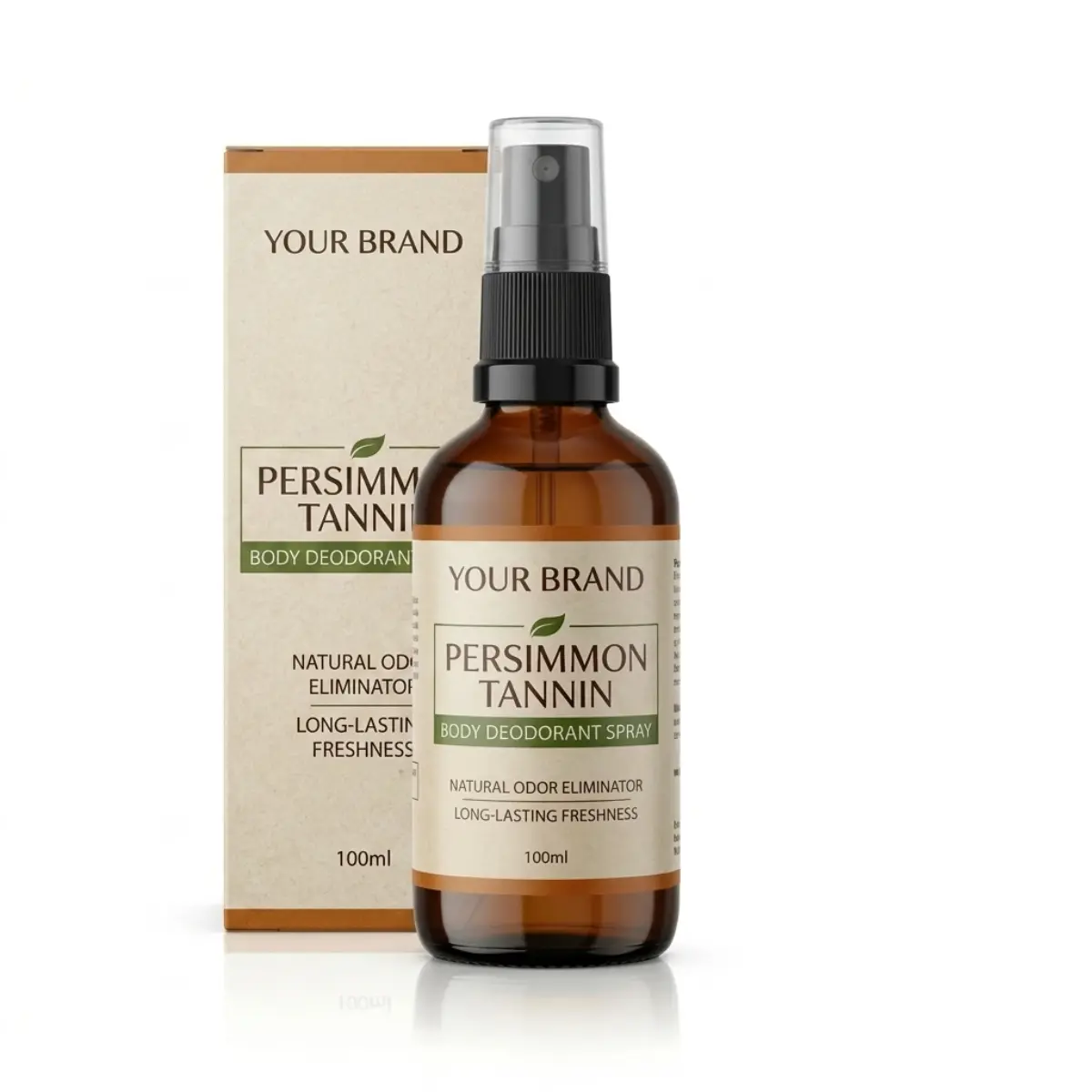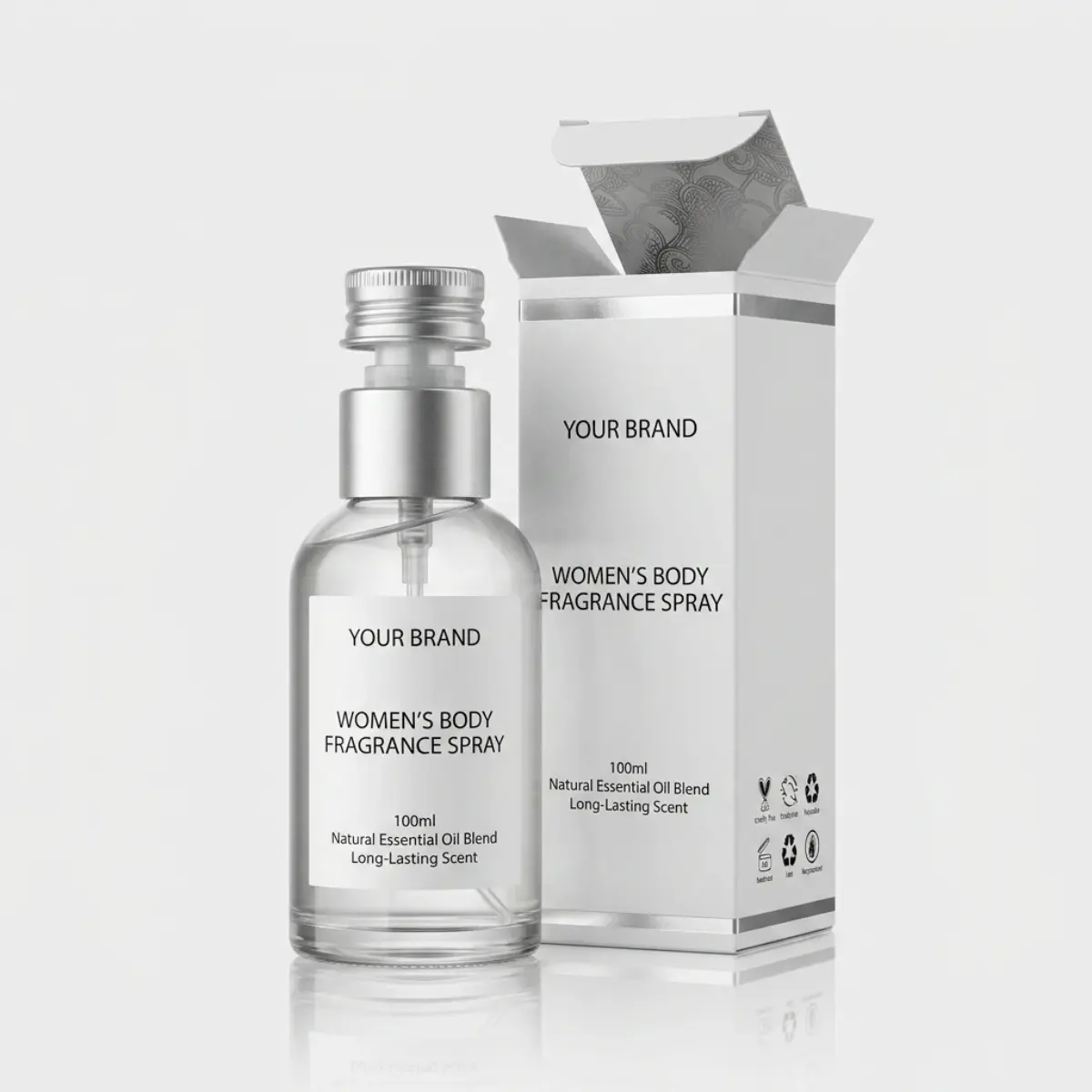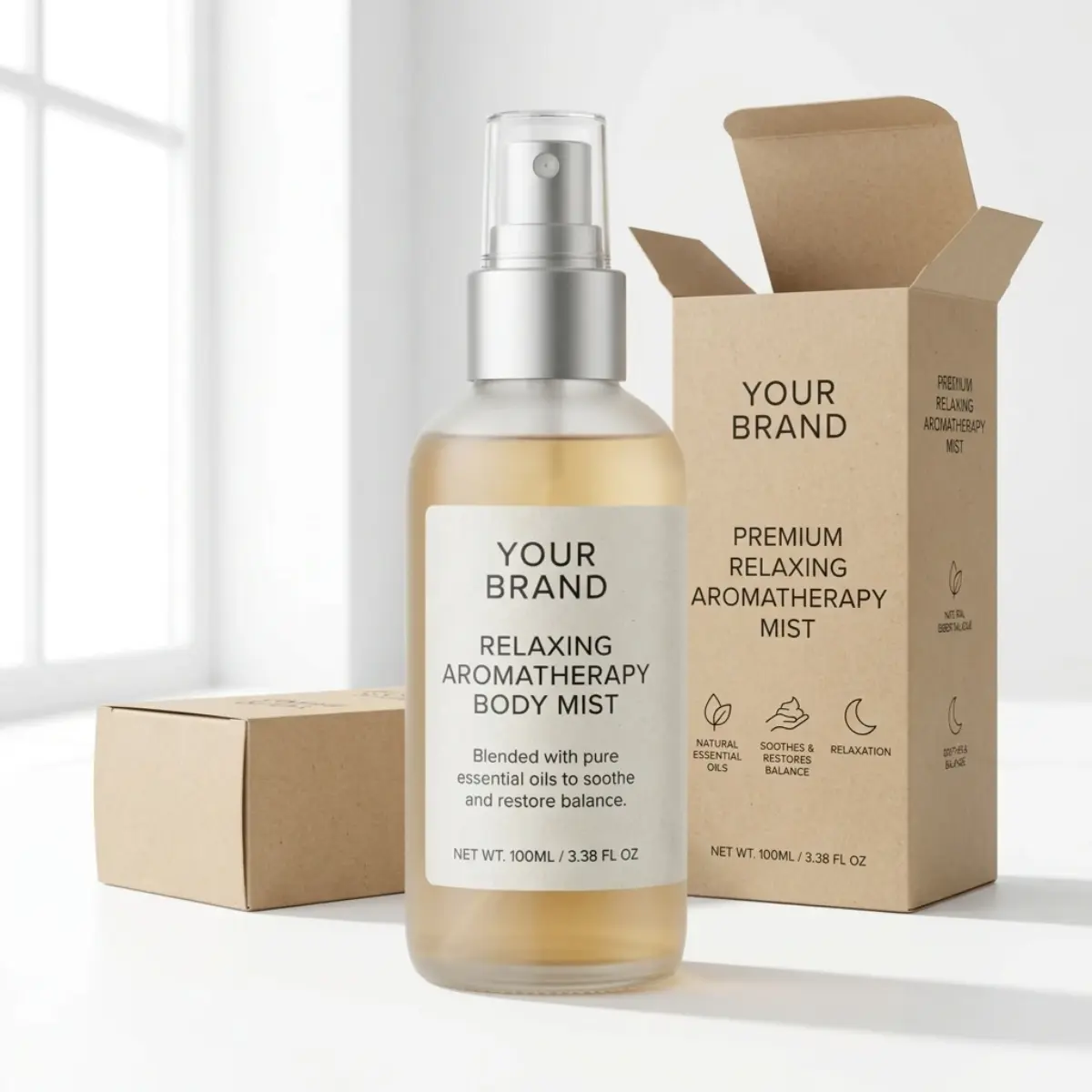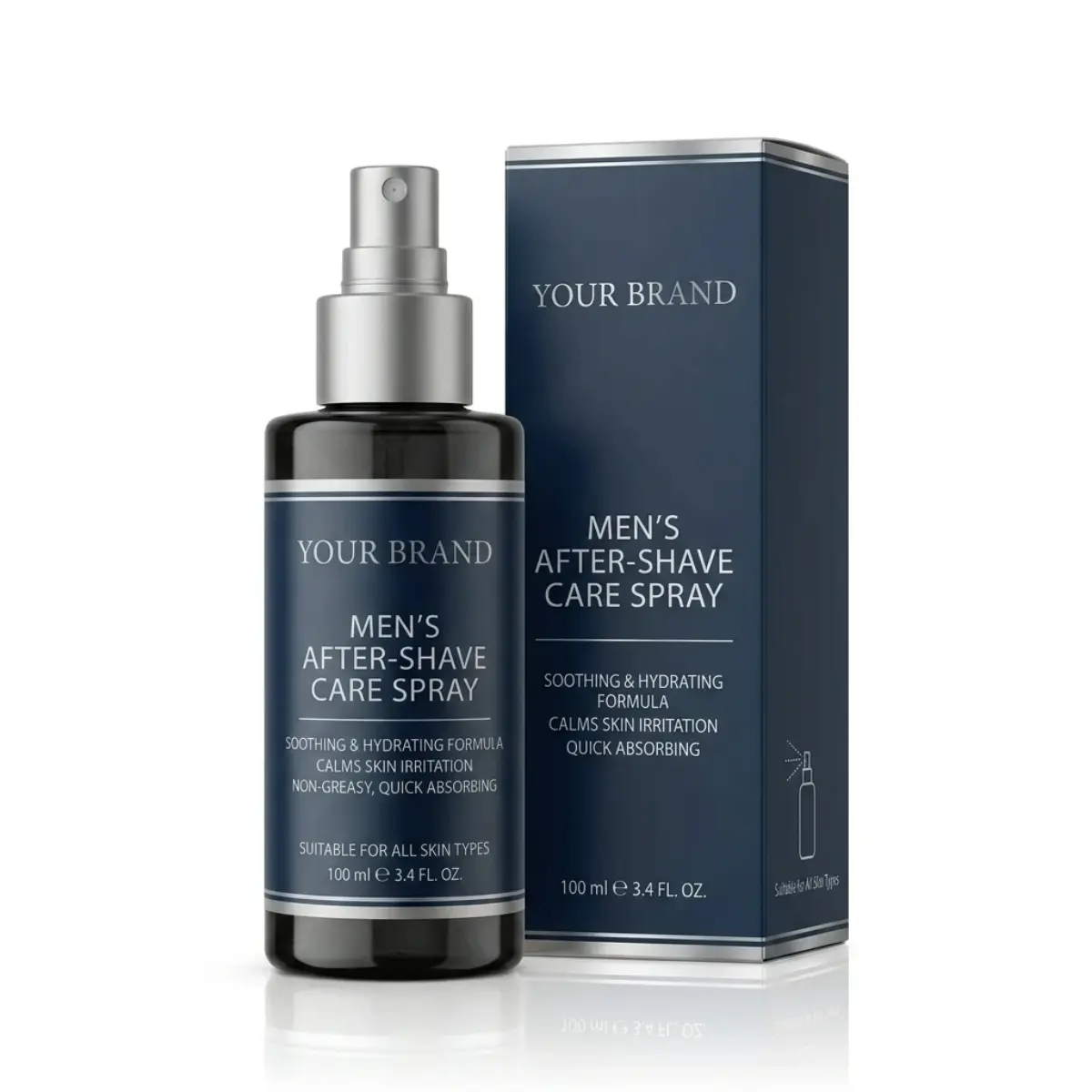

Bath bombs are surprisingly fragile. They're sensitive to moisture, humidity, temperature shifts, and even rough handling during shipping. Without proper packaging, that perfect sphere you spent time molding can crumble into a sad pile of powder before it ever reaches a customer — or a bathtub.
Good packaging does three things at once. It protects. It preserves. And it sells. Whether you're gifting homemade bath bombs to friends, selling them at a local craft market, or running a full-blown online store, how you package your product shapes how people perceive it. So let's walk through the whole process — from wrapping a single bath bomb to shipping a dozen of them across the country.
Understanding What Actually Damages Bath Bombs
Before you pick any bath bomb wrapping materials, it helps to know what you're protecting against. There are really three enemies here, and each one requires a slightly different defense.
Moisture and Humidity
Bath bombs contain citric acid and baking soda. The moment they encounter moisture — even the humidity in your kitchen on a rainy day — they start to react. That's the fizz you want in the tub, not in the wrapper. Prolonged exposure to air degrades the fizz factor over time, leaving you with a bath bomb that just... sits there in the water doing nothing. Disappointing for everyone involved.
Physical Impact
Drop a bath bomb on a tile floor and you'll see the problem immediately. They're dense but brittle. During shipping especially, even minor impacts can cause cracks, chips, or total breakage. I've opened packages where what was supposed to be a beautiful sphere arrived as colorful rubble. Not exactly the unboxing experience anyone was going for.
Temperature Fluctuations
If your bath bombs contain cocoa butter, shea butter, or embedded oils, heat can cause sweating or surface discoloration. Cold doesn't usually cause structural damage, but rapid temperature changes create condensation — and we're right back to the moisture problem again.
Wrapping Individual Bath Bombs
This is the foundation. Every single bath bomb needs its own individual wrap before anything else happens. Think of it as the first line of defense.
Shrink Wrap — The Industry Standard
There's a reason most commercial brands shrink wrap bath bombs. It creates a tight, airtight seal that locks out moisture and holds the bath bomb's shape together. Here's what you need:
- Polyolefin shrink wrap bags — PVC works too, but polyolefin is food-safe and doesn't produce harsh fumes when heated.
- A heat gun or heat sealer — A basic heat gun runs about $25 and will last you a long time.
The process is straightforward. Slide the bath bomb into an appropriately sized bag, seal the open end, then apply heat evenly with a heat gun. The wrap shrinks tight around the contours. Done right, it looks clean and professional.
One tip from experience: don't hold the heat gun too close or linger in one spot too long. You'll get uneven shrinkage or, worse, melt through the wrap entirely. Keep it moving in smooth, circular passes.
Biodegradable and Eco-Friendly Alternatives
Shrink wrap works brilliantly, but it's plastic. And a growing number of consumers — particularly in the handmade and natural product space — care about that. Here are some alternatives worth considering:
- Compostable cellulose bags — They look similar to plastic but break down naturally. Not quite as moisture-tight, so they work best for products that will be sold and used quickly.
- Beeswax wraps — A more artisan approach. Beautiful, but labor-intensive and not practical if you're making hundreds of units.
- Tissue paper with a wax lining — Affordable, attractive, and offers moderate protection. Great for local sales and gift sets where the product won't sit on a shelf for months.
Fabric Wraps and Organza Bags
If you're selling at craft fairs or packaging gift sets, organza bags or muslin cloth wraps add a handmade, boutique feel. They won't protect against humidity the way shrink wrap does, but for short-term display, they look fantastic. Tie them with twine or ribbon and you've got instant shelf appeal that photographs beautifully for social media too.
Labeling Your Bath Bombs
Even if you're just selling at a farmer's market, bath bomb labels matter — both legally and aesthetically. Skip this step and you're either breaking regulations or leaving money on the table. Probably both.
What to Include on Your Labels
At minimum, your label should list:
- Product name
- Ingredients in descending order by weight — this is required in most jurisdictions if you're selling cosmetics
- Net weight
- Your brand name and contact information
- Allergy warnings — especially for products containing nut-based oils, gluten, or dairy derivatives
If you're selling in the U.S., the FDA classifies bath bombs as cosmetics, which means you're subject to the Fair Packaging and Labeling Act. It's not optional, and ignorance isn't a defense. Check the FDA website for current requirements — it's actually pretty clearly laid out.
Design Tips That Actually Help Sales
Your label is the first thing someone reads. A few practical pointers I've picked up:
Keep it readable. Fancy script fonts look nice on Pinterest, but if someone can't read the scent name from two feet away at a market table, it's not working. Go with something clean and legible for the essential information.
Use color strategically. Match the label color palette to the bath bomb itself. A lavender bomb with a purple-toned label creates visual coherence that feels intentional and polished.
Waterproof labels are worth the extra cost. Bath bombs live near water. Regular paper labels smudge, peel, and look terrible after even minimal handling with slightly damp fingers. Spend the extra few cents per label.
Packaging for Retail Display
If your bath bombs are sitting on a shelf next to competitors, presentation is everything. This is where bath bomb packaging ideas really start to matter for your bottom line.
Clear Boxes and Clamshell Containers
Transparent packaging lets the product speak for itself. Clear PET boxes or clamshell containers showcase the color, texture, and shape while still providing structural protection. They stack well on shelves and look polished without requiring much design effort on your part.
Kraft Boxes With Windows
This is probably the most popular approach for small brands right now, and for good reason. A brown kraft box with a die-cut window combines the eco-friendly aesthetic with product visibility. Add a printed belly band or a branded sticker, and you've got packaging that feels intentional and premium without costing a fortune. It also photographs well, which matters more than ever.
Gift Set Packaging
Multi-packs and gift sets are huge sellers, especially around holidays. For these, consider:
- Partitioned boxes — Think egg carton style dividers inside a larger box. Each bath bomb gets its own compartment, preventing them from knocking against each other.
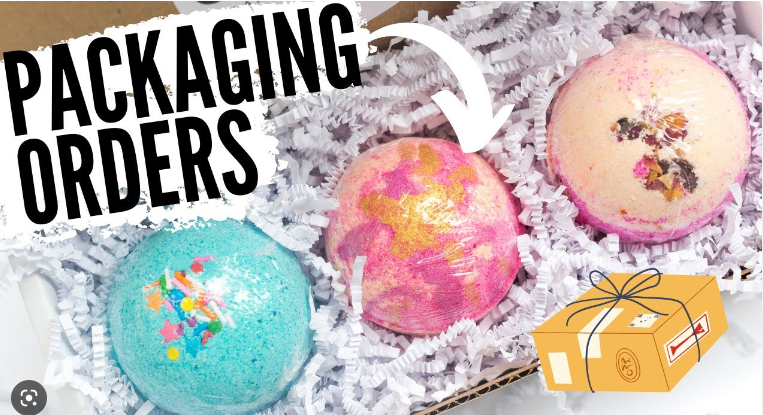
- Nesting in crinkle cut fill — Looks beautiful when someone opens the box and provides real cushioning.
- Magnetic closure boxes — For premium gift sets where you want that satisfying unboxing experience people film and share online.
Shipping Bath Bombs Without Heartbreak
This is where things get real. Shipping is the number one source of bath bomb damage, and it's completely preventable with the right bath bomb shipping supplies and a little care.
Step-by-Step Packing for Shipment
- Individually wrap each bath bomb in shrink wrap or cellophane first.
- Add a layer of bubble wrap around each one — or use foam pouches for a cleaner look.
- Use a sturdy corrugated box. Not a thin mailer. Not a poly bag. A real box.
- Fill all empty space with packing peanuts, crumpled kraft paper, or air pillows. The bath bombs should not move at all when you shake the box. Give it a shake test before sealing.
- Label the exterior as FRAGILE. It doesn't guarantee gentle handling, but it helps more often than you'd think.
Common Shipping Mistakes
Using boxes that are too large. More empty space means more room for things to shift and collide. Choose a box that fits snugly with just enough room for cushioning material.
Skipping the inner wrap. Even if your bath bombs are already in a beautiful gift box, they need individual protection for transit. The gift box is for presentation. The inner wrap is for survival.
Shipping in extreme weather without insulation. If it's the middle of summer and your bath bombs contain butters or oils, consider insulated mailers or even cold packs. Melted, sweaty bath bombs are not a good look — and they'll generate returns and bad reviews fast.
Frequently Asked Questions
Can I use regular plastic wrap instead of shrink wrap?
You can in a pinch, but it won't look professional and it doesn't seal airtight. Cling wrap tends to bunch, wrinkle, and come undone over time. For anything beyond personal use or quick gifts, invest in proper shrink wrap bags and a heat gun. The difference is night and day.
How do I keep bath bombs from sticking to the packaging?
Lightly dusting the bath bomb with cornstarch before wrapping helps prevent sticking, especially for formulas with high butter or oil content. Also, let your bath bombs cure for at least 24 to 48 hours before packaging — wrapping them while they're still slightly damp is a recipe for a sticky, messy disaster.
How do I make my packaging stand out from competitors?
Focus on cohesion and sensory experience. Consistent branding across your labels, boxes, and even tissue paper creates a professional impression that feels intentional. Adding small touches — a handwritten thank-you note, a sample of another scent, or a branded sticker sealing the box — turns a simple purchase into an experience. That's what people remember and share on social media. You don't need expensive custom packaging to stand out; you need thoughtfulness.
Is it worth investing in custom packaging?
It depends on your volume. If you're selling fewer than 100 units a month, stock packaging with custom bath bomb labels is perfectly fine and keeps costs manageable. Once you're consistently moving larger quantities — say 300 or more per month — custom boxes with your branding printed directly on them start making financial sense. They also eliminate the need for separate labels and stickers, which can actually save time and money at scale.