
Be honest — you probably bought a bag of Epsom salt at some point. Maybe someone told you to soak in it after a tough workout. Maybe your mom swore by it. And now it's sitting under your bathroom sink, half-open, slightly clumpy, waiting for you to figure out what it's actually good for.
Fair enough. Let's get into it.
What Is Epsom Salt, Really?
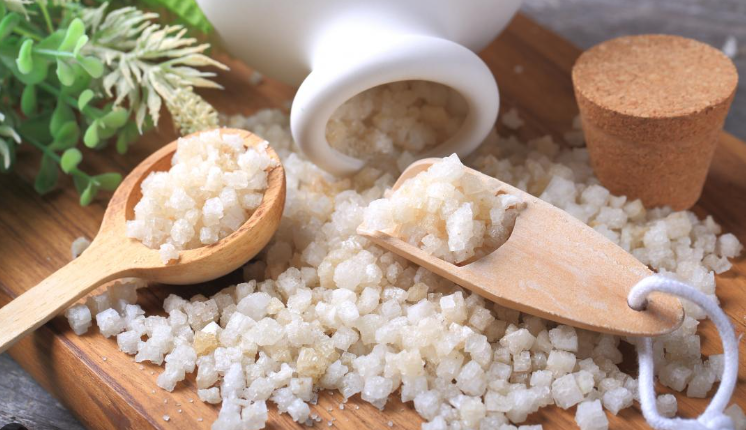
First things first: Epsom salt isn't salt. Not in the way you'd season a steak, anyway. It's magnesium sulfate — MgSO₄ if you want to sound smart at dinner parties. The name comes from Epsom, a town in England where the stuff was first found in natural mineral springs back in the 1600s.
Chemically, it's a combination of magnesium, sulfur, and oxygen. All three are things your body actually uses. That's the whole reason people got interested in soaking in those springs centuries ago. This isn't some trend that started on Instagram. People figured out it felt good a long, long time before hashtags existed.
So what happens when you dissolve it in water and climb in?
The Science Behind the Soak — Magnesium Sulfate Benefits
Magnesium and Why Your Body Craves It
Here's a number that might surprise you: roughly half of adults in the U.S. don't get enough magnesium from food alone. And magnesium does a lot. Muscle function, nerve signaling, energy production, sleep regulation — it's involved in over 300 biochemical reactions in your body. When levels run low, you might notice more cramps, worse sleep, or just feeling "off."
Now, the big question everyone argues about: can magnesium actually absorb through your skin during a bath? Honestly, the science is still sorting this out. A few small studies suggest some absorption happens. Others say the evidence isn't strong enough to call it therapeutic. What researchers generally agree on is that it's plausible — skin isn't a perfect barrier — but nobody should rely on baths to fix a genuine magnesium deficiency. That's what leafy greens, nuts, and supplements are for.
Still, "not conclusively proven at therapeutic levels" doesn't mean "does nothing." Keep reading.
Sulfate's Quieter Role
Everyone talks about the magnesium. Almost nobody mentions the sulfate half of the equation. Sulfate plays a supporting role in building joint proteins, flushing waste products from cells, and helping your body absorb nutrients more efficiently. It's not glamorous work, but it matters.
What Epsom Salt Actually Does — Use by Use
Muscle Relaxation Soak
This is the classic. You dump Epsom salt in a warm bath, sink in, and your muscles start to unwind. The combination of warm water and dissolved magnesium sulfate seems to help tension drop — whether that's from the magnesium itself or simply the fact that you're lying still in warm water for 20 minutes instead of staring at your phone.
Probably both, if we're being real.
Who benefits most? Weekend warriors with sore quads. Office workers whose shoulders live next to their ears. Anyone who just finished a long run or a brutal leg day. The practical recipe: about 2 cups in a standard bathtub, water warm but not scalding, soak for 15 to 20 minutes. That's it. No complicated ritual needed.
Epsom Salt for Pain Relief
Joint stiffness, general soreness, those annoying aches that show up after you sleep weird — Epsom salt baths have been a go-to for all of this. Your grandmother probably recommended it, and she wasn't wrong.
But I want to be straight with you. The clinical evidence specifically linking transdermal magnesium to pain reduction is supportive but not conclusive. Does that mean the bath is useless? No. Warm water on its own reduces pain perception. The act of taking time to soak — slowing down, breathing, letting your body float a little — that has real physiological effects on how you experience pain. The magnesium sulfate might be adding something extra on top. Either way, people consistently report feeling better afterward. Sometimes that's enough.
Reducing Swelling and Inflammation
Ask any nurse, retail worker, or pregnant person about swollen feet at the end of the day. Chances are someone along the way told them to try an Epsom salt foot soak. It's one of the most popular Epsom salt bath uses out there, and for good reason.
You don't need a full bathtub for this. Half a cup in a basin of warm water, feet in for about 20 minutes. Simple, cheap, and it genuinely helps take the edge off.
Stress and Sleep
There's a real connection between magnesium levels and how your body manages cortisol — the stress hormone. Low magnesium, higher cortisol. Higher cortisol, worse sleep. It's a frustrating cycle.
An Epsom salt bath before bed won't knock you out like a sleeping pill. But as part of a wind-down routine — dim the lights, warm bath, maybe some quiet music — it can genuinely help signal your brain that it's time to power down. Think of it as a low-cost sleep hygiene tool, not a miracle cure. Consistency matters more than any single soak.
Beyond the Bathtub — Uses Most People Don't Know About
In the Garden
This one surprises people. Epsom salt makes a surprisingly effective natural fertilizer because magnesium helps plants absorb nitrogen and phosphorus from the soil — two nutrients they desperately need for growth.
A good rule of thumb: about a tablespoon per foot of plant height, mixed into the soil once a month. It works especially well for tomatoes, peppers, and roses. Gardeners who've tried it tend to become converts pretty quickly. The results show up in the leaves first — greener, healthier-looking foliage within a few weeks.
As a Gentle Exfoliant
Mix Epsom salt with coconut oil or olive oil and you've got a DIY scrub that actually works. The crystal structure of magnesium sulfate is softer than sea salt, so it's less likely to scratch or irritate your skin. Gentle enough for most people, effective enough to slough off dead skin. Cheap, too.
Splinter Removal Hack
Old-school trick that sounds like folklore but has real logic behind it. Soak the affected area in a concentrated Epsom salt solution, and the osmotic effect can help draw a splinter closer to the surface of the skin. Doesn't work every single time, but when you're dealing with a stubborn splinter and tweezers aren't cutting it, this is worth trying before you start digging around with a needle.
Hair Volumizer
Mix a small amount into your conditioner and it can help reduce oiliness and add some texture. If your hair tends to go flat and greasy by day two, this is a neat little hack. One caveat though — skip this if your hair is color-treated, and don't do it more than once a week. Too much can dry things out.
What Epsom Salt Does NOT Do — Let's Be Honest
Okay. This is the part where I might annoy some wellness bloggers, but you deserve the truth.
It's not a detox miracle. You've probably seen claims that Epsom salt "pulls toxins out through your pores." It doesn't. Your liver and kidneys handle detoxification. That's literally their job. A bath — no matter what you put in it — isn't replacing those organs.
It's not a laxative you should play around with. The FDA does recognize Epsom salt as a saline laxative, yes. But oral use requires specific dosing, can cause serious side effects if done wrong, and isn't appropriate for everyone. Don't just dissolve a scoop in water and drink it because a blog told you to. Talk to a doctor first.
It won't cure chronic conditions. Arthritis, fibromyalgia, serious injuries — Epsom salt can complement your treatment plan, but it's not replacing physical therapy, medication, or professional care. Anyone telling you otherwise is selling something.
I bring this up because most articles about Epsom salt skip the limitations entirely. That doesn't help anyone.
Who Should Be Careful with Epsom Salt?
Most people can use Epsom salt without any issues. But a few groups need to be cautious:
- Kidney disease: Your kidneys may not process excess magnesium efficiently. External use in large amounts could become a problem.
- Open wounds or severe skin conditions: Magnesium sulfate in an open cut is going to sting, and it can irritate already-compromised skin.
- Diabetes: Foot soaks require extra caution because of reduced skin sensitivity. Burns and irritation can happen without you noticing.
- Children: Lower doses, shorter soaks, and always supervised. Their skin is more sensitive than you think.
- Pregnant individuals: External use is generally considered safe, but run it by your provider first. Better safe than sorry.
Frequently Asked Questions
Can you use Epsom salt every day?
For most adults, daily soaks aren't harmful. But practically speaking, 3 to 4 times a week is a more sustainable rhythm. Pay attention to your skin — if it starts feeling dry or irritated, dial it back.
Does Epsom salt expire?
Nope. It's a mineral compound, so it doesn't go bad the way food does. Moisture can cause clumping over time, but clumpy Epsom salt still works fine. Just store it in a sealed container somewhere dry.
Is Epsom salt safe for pets?
For dogs, external use in small amounts — like a gentle paw soak — is generally okay. But never let them drink the water. For cats, avoid it entirely. Their systems are more sensitive, and the risk isn't worth it.
Can I use Epsom salt if I don't have a bathtub?
Absolutely. Foot soaks work great in any basin. You can also make a compress — soak a cloth in Epsom salt water and apply it to sore areas. Some people even put a small dish of it on the shower floor and let the steam do its thing. No tub required.
Does Epsom salt really help with magnesium deficiency?
Here's the honest answer: magnesium absorption through skin is plausible but hasn't been proven at levels that would fix a real deficiency. If your doctor says your magnesium is low, focus on dietary sources — spinach, almonds, black beans — or a supplement. Use Epsom salt baths as a nice bonus, not a treatment plan.
What's the difference between Epsom salt and sea salt?
They're completely different compounds. Sea salt is sodium chloride — the same basic stuff as table salt. Epsom salt is magnesium sulfate. Different chemistry, different uses, different effects on your body. They're not interchangeable, despite both having "salt" in the name.