
The Simple Science Behind the Fizz
That satisfying eruption of color and bubbles when a bath bomb hits warm water? Not magic. It's basic chemistry you probably played with as a kid.
Every bath bomb relies on two dry ingredients reacting with water: baking soda (sodium bicarbonate) and citric acid. When these two meet water, they produce carbon dioxide gas — those thousands of tiny bubbles racing to the surface. Same reaction as pouring vinegar on baking soda in a volcano science project, just prettier and infinitely better smelling.
But nobody's paying good money for a ball of baking soda and citric acid. The real story is everything else packed inside.
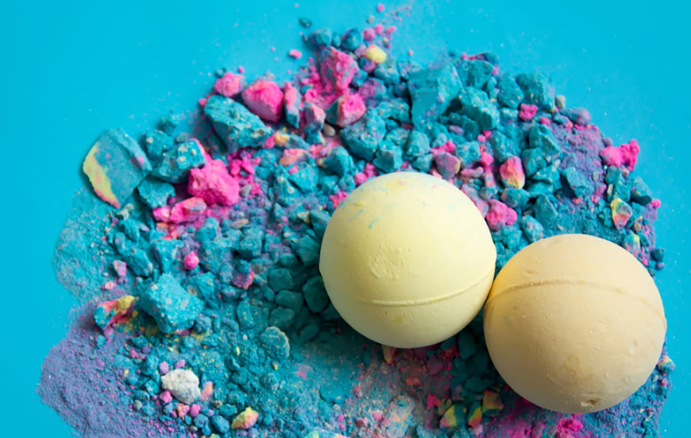
The Core Ingredients You'll Find in Most Bath Bombs
Baking Soda — The Foundation
Baking soda typically makes up the largest chunk of a bath bomb, sometimes 40–60% of the total weight. Beyond fueling the fizz, it softens water slightly and can leave skin feeling smoother. It's mildly alkaline, which some people find genuinely soothing for irritated or itchy skin. Nothing fancy here — it's the same box you've probably got sitting in your fridge absorbing odors right now.
Citric Acid — The Fizz Partner
Citric acid is what gives bath bombs their signature effervescence. Originally derived from citrus fruits, though commercially it's usually produced through fermentation these days. The ratio between citric acid and baking soda matters more than you'd think — too much acid and the bomb fizzes out in seconds. Too little and you get a sad, underwhelming dissolve that just kind of... sits there. Most makers aim for roughly a 2:1 ratio of baking soda to citric acid, which hits that sweet spot of dramatic but not over-in-a-flash.
Cornstarch — The Unsung Hero
Here's one ingredient people rarely talk about, and it honestly deserves more credit: cornstarch. It acts as a filler and binder, sure. But more importantly, it slows down the fizzing reaction. Without cornstarch, your bath bomb would basically explode in about 30 seconds flat — impressive, but not exactly the long, theatrical dissolve you're going for. Cornstarch stretches out the show. It also makes the water feel noticeably silkier against your skin, which is a nice bonus.
Oils — For Your Skin and Your Nose
This is where things get interesting, because bath bombs usually contain two types of oils working toward completely different goals.
Carrier oils like coconut oil, sweet almond oil, or sunflower seed oil serve as skin moisturizing agents. They coat your skin as the bomb dissolves, leaving you feeling soft and hydrated when you step out. Some fancier brands swap these for shea butter or cocoa butter, which melt in warm water and create an almost lotion-like feel in the tub. Honestly kind of luxurious.
Essential oils handle the aromatherapy side. Lavender, eucalyptus, peppermint, rose — these give bath bombs their signature scents. Worth knowing, though: some brands use synthetic fragrance oils instead of plant-derived essential oils. Neither is inherently bad, but if you have sensitive skin or a strong preference for natural products, it's worth checking the label.
Colorants — Making Bath Time Visual
Most bath bombs use one of three types of colorants:
- FD&C dyes — synthetic, water-soluble, vibrant. These are the same dyes approved for food and cosmetics. They're what give you those intense jewel tones.
- Micas — mineral-based pigments that create shimmer and metallic effects. They're what make your bathwater look like a galaxy or a pool of liquid gold.
- Natural colorants — think beetroot powder, turmeric, spirulina, or activated charcoal. Less vivid, but gentler on skin and generally less likely to cause reactions.
One thing I'd flag from personal experience: if you have a white bathtub and you're using a deeply pigmented bath bomb, maybe test a small piece first. Some dyes can temporarily stain porcelain. I learned this the hard way with a bright blue one that turned my tub into what I can only describe as a Smurf crime scene for two solid days.
The "Extra" Ingredients — Where Brands Get Creative
The base formula is pretty standard across the industry. What separates a basic fizzy bath product from a premium one is usually the extras.
Epsom Salt
Technically magnesium sulfate, Epsom salt is a popular add-in that many people swear by for muscle soreness and relaxation. Not every bath bomb contains it, but you'll see it frequently in formulas marketed for post-workout recovery or stress relief. Whether it truly delivers therapeutic benefits through a bath is still debated, but plenty of people — myself included — find Epsom salt soaks genuinely relaxing.
Kaolin Clay
Some bath bombs include gentle clays like kaolin for a light detoxifying effect. Kaolin is mild enough for sensitive skin and helps absorb excess oils without stripping moisture. You'll see it more often in "spa-style" or skincare-focused bath bombs.
Witch Hazel or Isopropyl Alcohol
Wait — alcohol in a bath bomb? Yes, but only a tiny amount, and only during manufacturing. Witch hazel or rubbing alcohol acts as a binding agent that helps the dry ingredients hold their shape without triggering the fizzing reaction prematurely. The key thing is that it evaporates as the bomb cures and dries, so you're not actually bathing in it. Think of it as a construction tool, not a final ingredient.
Dried Botanicals
Rose petals, lavender buds, chamomile flowers, oat flakes — these are the decorative touches that make artisan bath bombs feel special. They look absolutely gorgeous floating in your bath. They're also, I'll be honest, a pain to clean up afterward. If you're not into fishing soggy flower petals out of your drain at 10 PM, look for bombs that skip the botanicals entirely or use very finely ground versions that wash away easily.
Surprises Hidden Inside
Some fizzy bath products now come with hidden toys, jewelry, crystals, or little messages embedded in the center. These are held in place by compressed powder and revealed as the bomb dissolves. Fun? Absolutely, especially for kids. Just be aware that cheap embedded jewelry sometimes contains nickel or other common allergens, so check the fine print if you're buying these as gifts.
What About Safety? A Few Things Worth Knowing
For most people, bath bombs are perfectly safe. Drop one in, enjoy the show, get out feeling great. But there are a few groups who should exercise a bit of caution.
People with sensitive skin or eczema — Fragrance oils, dyes, and even some essential oils can trigger irritation or flare-ups. If this is you, look for bombs specifically labeled "sensitive skin" or "fragrance-free." They exist, and they're getting easier to find.
Anyone prone to UTIs or yeast infections — The combination of dyes, fragrances, and altered water pH can potentially disrupt your body's natural balance. If you're susceptible, consider limiting soak time to 15–20 minutes and rinsing off afterward with clean water. Simple precaution, big difference.
Young kids — Most bath bombs are fine for children, but avoid ones with strong synthetic fragrances, craft-grade glitter (which isn't body-safe), or small embedded objects that could pose a choking hazard.
The Glitter Question
This deserves its own mention. Traditional glitter is made from tiny pieces of plastic — microplastics, essentially — which aren't great for the environment, your plumbing, or frankly anything. The good news is that many responsible bath bomb makers have switched to biodegradable glitter made from plant cellulose, or they use mica-based shimmer instead, which gives you that sparkle without the ecological guilt. Check the label if this matters to you. It probably should.
How to Read a Bath Bomb Label Like a Pro
Bath bomb labels can look intimidating with all those Latin-sounding names. Don't let them scare you off. Here's a quick translation guide:
Sodium bicarbonate = Baking soda. Citric acid = The fizz-making acid. Parfum or Fragrance = Could be synthetic — not necessarily bad, but intentionally vague. Linalool and Limonene = Components of essential oils, listed separately for allergy transparency. CI 42090 or CI 15985 = Color index numbers for specific synthetic dyes. Theobroma cacao seed butter = Cocoa butter. Prunus amygdalus dulcis oil = Sweet almond oil.
These are all INCI names — International Nomenclature of Cosmetic Ingredients — which is basically a standardized naming system for cosmetics. Sounds intimidating, refers to completely ordinary stuff.
DIY vs. Store-Bought: Is It Worth Making Your Own?
Making bath bombs at home is surprisingly doable. The basic recipe is just baking soda, citric acid, cornstarch, a carrier oil, and whatever scent and color you want. The big advantage? Total control over what goes in. No mystery fragrances, no questionable dyes, no microplastic glitter sneaking past you.
The downside is that homemade bombs can be genuinely finicky. Humidity is the enemy — if your kitchen is even slightly damp, the mixture starts fizzing before you can get it into a mold. And getting that perfectly round, hard-packed shape that holds together without crumbling takes real practice. My first batch looked like lumpy snowballs and fizzed for maybe 45 seconds.
Store-bought bath bombs, especially from established brands, tend to fizz more consistently, last longer in water, and come in far more elaborate designs. You're paying for convenience, consistency, and someone else's trial-and-error.
At the end of the day, a bath bomb is a pretty simple thing dressed up to feel luxurious. Baking soda, citric acid, some oils, some color, some scent — that's really the whole story. But knowing what's in there helps you pick better ones, avoid ingredients that don't agree with your skin, and maybe even make your own. Either way, now you can soak with a little more confidence about what's actually dissolving around you.
Frequently Asked Questions
Do bath bombs expire?
They don't spoil the way food does. But over time — usually after about a year — the citric acid and baking soda lose potency. Old bath bombs fizz less enthusiastically and may smell faded. Store them in a cool, dry place, and whatever you do, don't keep them in your bathroom. The humidity in there will slowly activate the ingredients and degrade the bomb before you ever use it.
Can bath bombs clog your drain?
Plain bath bombs dissolve completely and won't cause plumbing issues. Bombs loaded with flower petals, heavy oils, cocoa butter chunks, or glitter can contribute to buildup over time, though. A simple mesh drain strainer is cheap insurance — costs a couple bucks and saves you a potential plumber visit.
Are bath bombs just for women?
Absolutely not. The ingredients don't care about gender, and neither should you. If you enjoy a warm soak after a long day, there's zero reason to skip the fizz. Plenty of brands now offer bath bombs in scents like cedar, eucalyptus, black pepper, or sandalwood for anyone who isn't into floral fragrances. Or just pick whatever smells good to you — nobody's checking.
Are the colors safe for skin?
FD&C-approved dyes and cosmetic-grade micas are tested and regulated for skin contact. Problems are rare, though possible if you have a specific dye allergy. Natural colorants carry even lower risk, though they tend to produce softer, less vivid colors. If you've never had a reaction to colored cosmetics, you're almost certainly fine.
Why does my skin feel oily after using a bath bomb?
That's the carrier oils and butters doing exactly what they're supposed to do — coating your skin with moisture. If it feels like too much, rinse off briefly with clean water after your bath. Or next time, choose a bomb formulated with lighter oils like grapeseed or jojoba instead of heavier butters like shea or cocoa. Different oils, very different feel on the skin.