I still remember the first time I dropped one of those colorful, fizzing spheres into a hot tub of water. The water turned lavender, the bathroom smelled like a French garden, and my shoulders—knotted from a 14-hour flight—just… melted. That was nearly 30 years ago, and since then I've spent my career inside the personal care industry, watching this little product grow from a niche luxury into a global staple.
So let's talk honestly about these fizzy little wonders. No fluff, no marketing jargon—just what I've learned from the lab, the factory floor, and a whole lot of bathtubs.
So, What Exactly Is This Fizzy Little Sphere?
At its simplest, a bath bomb is a compacted ball of dry ingredients that erupts into a fizzy, fragrant show the moment it hits warm water. Think of it as a one-time-use cocktail for your tub—part chemistry experiment, part spa ritual.
The global market has exploded too. According to Grand View Research data referenced in early 2026 reports, the bath additives category is projected to surpass USD 18 billion by 2028, with fizzers leading much of that growth. Not bad for something that looks like a candy truffle.
What are bath bombs made of and how do they work?
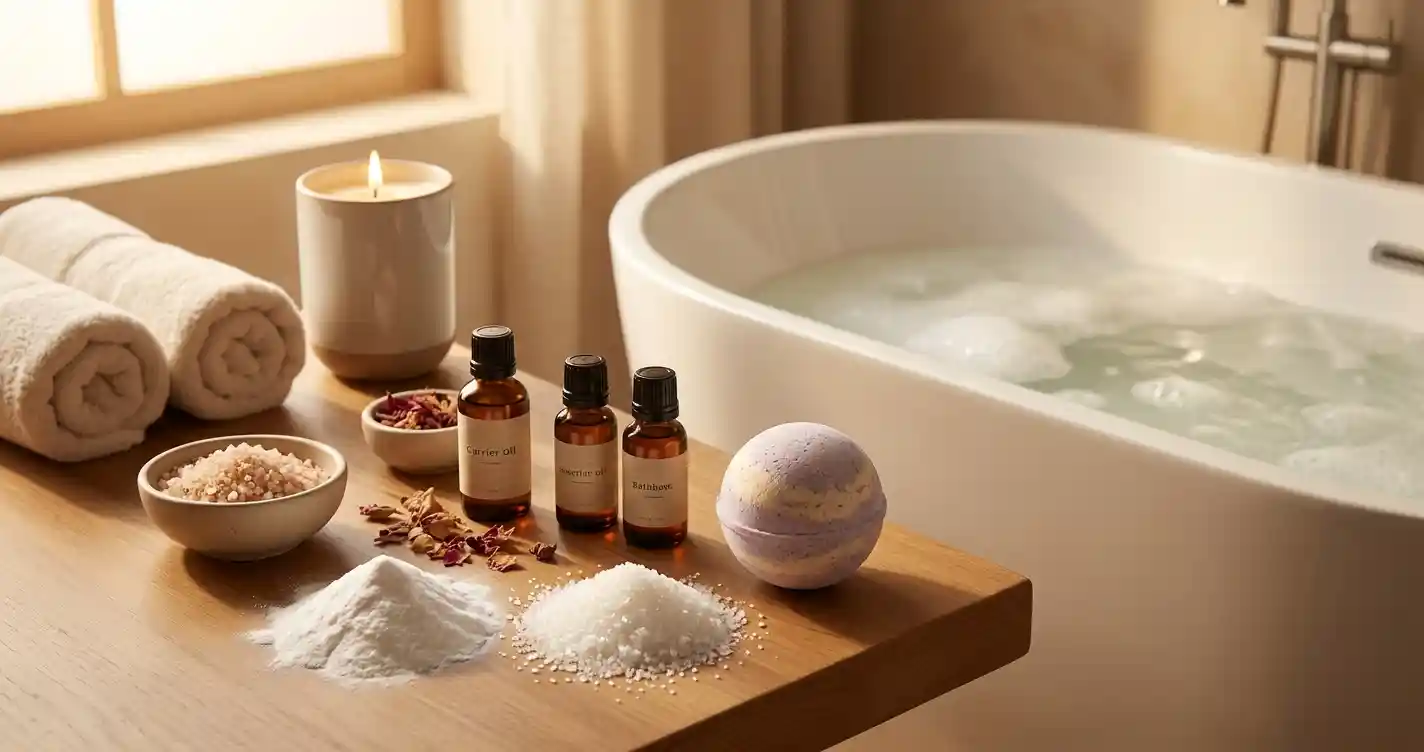
The magic comes down to a classic acid-base reaction. When sodium bicarbonate (baking soda) meets citric acid in water, carbon dioxide bubbles burst out—that's the fizz you see and hear. Add some carrier oils, fragrance, colorant, and a binder, and you've got a finished product.
Here's the typical breakdown of bath bomb ingredients I see across quality manufacturers:
| Ingredient | Typical % | Role |
|---|---|---|
| Sodium Bicarbonate | 50–60% | Base for the reaction |
| Citric Acid | 25–30% | Triggers the fizz |
| Epsom or Sea Salt | 5–10% | Muscle relief, mineral soak |
| Carrier Oils (coconut, sweet almond) | 3–5% | Skin softening |
| Fragrance / Essential Oils | 1–3% | Aromatherapy |
| Colorant & Botanicals | <1% | Visual appeal |
Why People Actually Love Them
What is a bath bomb used for in the bathtub?
Honestly? A lot more than just looking pretty. A good fizzer transforms plain water into a sensory experience—softening the water, releasing aromatic compounds, and giving your skin a light moisture boost. It's the easiest, cheapest spa upgrade I know of.
Some of my clients use them for date nights. Others swear by them after marathon training. I personally keep a stash for Sunday evenings, when I need to mentally prep for the week.
What is the purpose of bath bombs for skin?
The carrier oils inside leave a thin, hydrating film on your skin once the fizz dies down. Combined with an essential oils bath, you can target specific concerns—lavender for sleep, eucalyptus for sinus relief, ylang-ylang for mood. The bath bomb benefits aren't just marketing speak; the warm water opens pores and helps your skin actually absorb the goodies.
That said, results vary. People with very dry or sensitive skin may want to look for products labeled fragrance-free or formulated with shea butter.
Are These Things Actually Safe?
What are bath bombs and are they safe to use?
For most adults, yes—when made by a reputable producer. The concerns I see (and consult on regularly) usually involve cheap synthetic dyes, low-grade fragrance oils, or unbalanced pH that can irritate intimate areas. Always check the INCI list. If a product can't tell you what's inside, that's your answer.
Pregnant women, children, and folks with eczema should stick with gentle, dermatologist-tested formulas. And please—don't eat them, no matter how much they look like macarons.
From Powder to Pretty Sphere
What is inside a bath bomb and how is it made?
Behind the scenes, manufacturing is part art, part science. Dry ingredients are sifted, wet ingredients are misted in carefully (too much moisture and you trigger the reaction early—I've seen entire batches "bloom" in the mixer). The mixture is then hand-packed or machine-pressed into molds, dried for 24–48 hours, and shrink-wrapped.
Here's a quick look at how bath bombs work from production to bathtub:
| Stage | What Happens |
|---|---|
| 1. Mixing | Dry + wet phases combined under humidity control |
| 2. Molding | Pressed into spheres, hearts, cupcakes, etc. |
| 3. Curing | Air-dried 24–48 hrs to harden |
| 4. Packaging | Shrink-wrapped or boxed for shipping |
| 5. Use | Drop in water → CO₂ release → aromatic soak |
FAQ
Q: How long does a bath bomb last in storage?
A: Properly wrapped, most retain full fizz and fragrance for 6–12 months. Humidity is the enemy—keep them sealed and cool.
Q: Can I use one in a jacuzzi or jetted tub?
A: I'd avoid it. The oils and botanicals can clog jets. Stick to standard bathtubs, or choose oil-free formulations specifically designed for spa systems.
Q: Will the colors stain my tub?
A: Quality products use water-soluble, cosmetic-grade dyes that rinse clean. Cheap ones with high pigment loads can leave rings—another reason supplier vetting matters.
Q: How many can I use at once?
A: One standard 4.5 oz sphere per standard tub is plenty. Using two won't double the experience—just the cost.
Q: Do you offer custom packaging for private label orders?
A: Yes. BOYMAY handles full OEM/ODM, including box design, scent development, and regulatory documentation for North America, EU, and APAC markets.