
If you've ever stood in a store holding a bath bomb, wondering what it actually does, whether it's safe, or if it'll destroy your plumbing — this is for you. No judgment. Just answers.
What Exactly Is a Bath Bomb, Anyway?
The Basic Idea
A bath bomb is a compact, usually round ball made from a mix of dry ingredients that fizzes and dissolves when you toss it into water. Think of it as an effervescent tablet for your bathtub — except instead of treating a headache, it turns your bath into something that smells incredible, looks beautiful, and makes your skin feel softer than it has any right to.
The concept has been around longer than most people realize. Mo Constantine, co-founder of Lush Cosmetics, invented the first bath bomb back in 1989. For years, they were a niche product. Then Instagram happened. Suddenly, those swirling colors and dramatic fizz were everywhere on social media feeds, and bath bombs went from a quirky novelty to a full-blown cultural phenomenon. The self-care movement and gifting trends pushed them even further into the mainstream.
What's Inside a Bath Bomb?
The core bath bomb ingredients are surprisingly simple. At the heart of every single one, you'll find two things: baking soda (sodium bicarbonate) and citric acid. Those two ingredients are responsible for the fizz — everything else is supporting cast.
Cornstarch often shows up to slow the reaction down and give the water a silky texture. Epsom salts pull double duty — they add weight to the bomb and offer mild muscle relief during your soak. Carrier oils like coconut oil, sweet almond oil, or sunflower oil provide moisturizing benefits so your skin doesn't feel stripped after bathing.
Then there's the fun stuff: colorants that turn your water into jewel tones, essential oils for bath aromatherapy (lavender, eucalyptus, citrus blends), dried flower petals, biodegradable glitter, and sometimes little surprises hidden inside — tiny toys for kids, or jewelry for adults who like that sort of thing.
One quick thing worth mentioning: not everything "synthetic" in a bath bomb is automatically bad, and not everything labeled "natural" is automatically safe. Poison ivy is natural. Context matters. What you really want to pay attention to is whether specific ingredients irritate your skin.
How Do Bath Bombs Actually Work?
The Science Behind the Fizz
Here's your quick chemistry lesson, painlessly delivered. When citric acid meets baking soda in water, they react and produce carbon dioxide gas — those are the bubbles you see fizzing away. It's the same basic reaction that happens when you mix vinegar and baking soda in a grade-school volcano project, just way prettier.
You might notice that bath bombs fizz faster in warm water. That's because heat speeds up chemical reactions. Drop one into a cold bath and it'll dissolve eventually, but the show is noticeably less dramatic. As the bomb breaks apart, it releases its colorants, scent compounds, oils, and any other goodies packed inside. The oils disperse across the water's surface, the colors bloom outward, and the essential oils vaporize in the steam — which is where the aromatherapy piece really kicks in.
What They Do (and Don't Do) for Your Skin
Let's set realistic expectations. A good bath bomb will soften your bathwater, provide light moisturizing from the oils it contains, deliver some genuine aromatherapy benefits, and create an overall bathing experience that helps you decompress. That last point isn't trivial — there's genuine research suggesting that warm baths can reduce cortisol levels, ease anxiety, and improve sleep quality. A Japanese study even found that regular warm bathing was associated with lower risk of cardiovascular events.
What bath bombs won't do: cure eczema, replace your moisturizer, treat acne, or serve as any kind of medical intervention. They're a complement to your routine, not a substitute for one. Think of them as the candle-lit dinner of personal care — it's still just dinner, but the experience makes it something more.
Are Bath Bombs Safe?
For Adults
For most adults, bath bombs are perfectly safe. That said, they're not without potential issues. The most common irritants in fizzy bath products are synthetic fragrances, artificial dyes, and certain preservatives. If you have sensitive skin, eczema, or are prone to allergic reactions, look for options specifically labeled fragrance-free or hypoallergenic.
Now let's address the elephant in the room — UTIs. Yes, there's a connection, and it's worth talking about honestly. Bath bombs can alter the pH of your bathwater, and the dyes, fragrances, and oils can irritate sensitive tissue. This doesn't mean you'll definitely get a UTI from using one, but if you're prone to them, take a quick shower rinse afterward. Simple precaution, big difference.
For Kids
Kids absolutely love bath bombs. The fizzing, the colors, the element of surprise — it's basically magic to a five-year-old. But a few considerations matter here. For very young children, stick with dye-free, lightly scented or unscented options. Their skin is more sensitive and more permeable than adult skin.
"Surprise inside" bath bombs are hugely popular with kids, and honestly, they make bath time a lot easier for exhausted parents. Just check the age recommendations and make sure whatever's hidden inside isn't a choking hazard for your particular child. Supervision during bath time is a given anyway, but especially so when there's a small plastic dinosaur dissolving its way to freedom in the water.
For Your Plumbing
Will bath bombs destroy your pipes? Almost certainly not. The ingredients dissolve in water. Your plumbing has handled far worse.
The exceptions: bombs loaded with dried petals, chunky botanicals, or craft glitter can leave residue in your drain. A simple drain catcher solves this problem entirely. After you've drained a particularly colorful or oily bath, run hot water for a minute to flush everything through. If you live in an older home with temperamental plumbing, maybe avoid the heavily oil-based bombs that can build up over time. But for the vast majority of people, this is a non-issue.
How to Choose the Right Bath Bomb
Reading the Label Like a Pro
Ingredients to look for: shea butter, cocoa butter, coconut oil, and essential oils for bath like lavender, eucalyptus, and chamomile. These deliver real benefits to your skin and senses.
Ingredients to approach with caution if you have sensitivities: sodium lauryl sulfate (SLS), synthetic fragrance (often just listed as "fragrance" or "parfum"), and heavy loads of artificial dyes.
As for the buzzword labels — "vegan" means no animal-derived ingredients like beeswax or lanolin. "Cruelty-free" means the product wasn't tested on animals. "Organic" should mean the plant-based ingredients were organically grown, but enforcement varies. These labels are useful, but they're not regulated as strictly as you might assume on fizzy bath products. When in doubt, check the actual ingredient list rather than relying solely on front-of-package marketing.
Matching a Bath Bomb to Your Mood
This is where things get fun. Think of choosing a bath bomb like choosing a playlist — it depends on what you need right now.
- Relaxation: Lavender, chamomile, warm vanilla. The classic wind-down combination.
- Energy boost: Citrus blends (orange, grapefruit, lemon), peppermint, eucalyptus. Great for morning baths or when you need a reset.
- Romance or indulgence: Rose, jasmine, ylang-ylang, cocoa butter. Rich, warm, and a little luxurious.
- Muscle recovery: Epsom salt-heavy bombs with menthol or eucalyptus. Perfect after a workout or a long day on your feet.
Final Thoughts: It's Just a Bath — But It Doesn't Have to Be
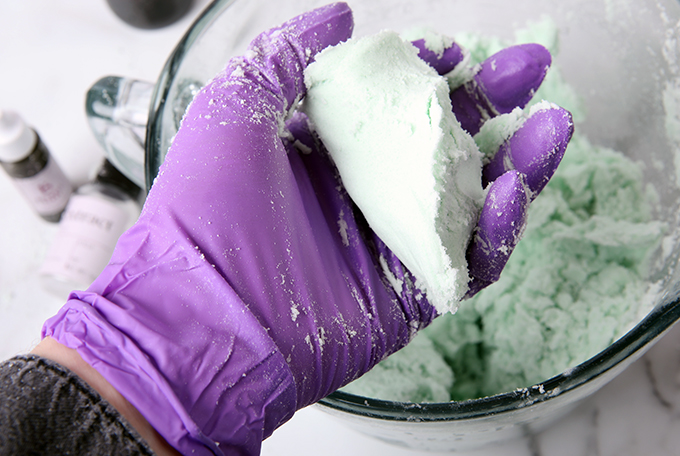
You don't need to become a bath bomb connoisseur. You don't need to spend a fortune. Just grab one that smells good to you, draw a bath, and drop it in. Or if you're feeling adventurous, make your own this weekend — it takes less than an hour and the satisfaction is surprisingly real.
Either way, you deserve a good soak. Don't overthink it.
Frequently Asked Questions
Do bath bombs expire?
They don't expire in the way food does — they won't make you sick. But they do lose potency over time. A bath bomb that's been sitting around for over a year will fizz less, smell fainter, and generally underwhelm. Store them in a cool, dry place, wrapped in plastic wrap or in an airtight container. If it smells like nothing and looks chalky, it's past its prime.
Can I use a bath bomb in a hot tub or jacuzzi?
Please don't. The oils, dyes, and particulates in bath bombs can clog jets, gum up filters, and leave residue that's a headache to clean. Hot tubs and jacuzzis circulate water through a mechanical system — they're not designed to handle what bath bombs release. Save them for a regular bathtub.
Are bath bombs safe during pregnancy?
Generally, yes, but with some caveats. Avoid bath bombs with strong essential oils — particularly rosemary, clary sage, and cinnamon, which some practitioners advise against during pregnancy. Stick to gentle, lightly scented options, and keep your bathwater warm rather than hot. When in doubt, run it by your OB or midwife. Better to ask a simple question than to worry through your entire soak.
Will a bath bomb stain my tub?
It can happen, especially with deep reds, purples, and blues. The staining is almost always temporary — a quick scrub with baking soda paste or a bathroom cleaner takes care of it. To minimize risk, don't let colored water sit in the tub after you drain. Rinse immediately. Acrylic tubs are slightly more prone to staining than porcelain, so keep that in mind.
How long should I soak with a bath bomb?
The sweet spot is somewhere between 15 and 30 minutes. That gives the ingredients enough time to work, and gives you enough time to actually relax. Soaking much longer than that — especially in hot water — can actually dry out your skin and leave you feeling lightheaded rather than refreshed. Set a gentle timer if you tend to lose track of time.
Can I use more than one bath bomb at a time?
Absolutely. But manage your expectations. Two complementary scents can create a lovely layered experience. Two competing scents can create a confusing sensory mess. And the colors might blend into something... unexpected. If you want to go multi-bomb, pick ones from the same scent family or stick with one colored bomb and one white or neutral one.
Are bath bombs eco-friendly?
It depends entirely on the product. Look for biodegradable glitter (or no glitter at all), minimal or recyclable packaging, reef-safe colorants, and sustainably sourced ingredients. Some brands are genuinely committed to eco-friendly practices; others slap a green leaf on the label and call it a day. The ingredients list, once again, is your best friend here.