
It's one of those questions that sounds ridiculous until you actually think about it. You've seen the fizzing, the bubbling, the dramatic color explosions in water. So what happens if you toss a bath bomb into actual fire? Will it go off like a tiny grenade?
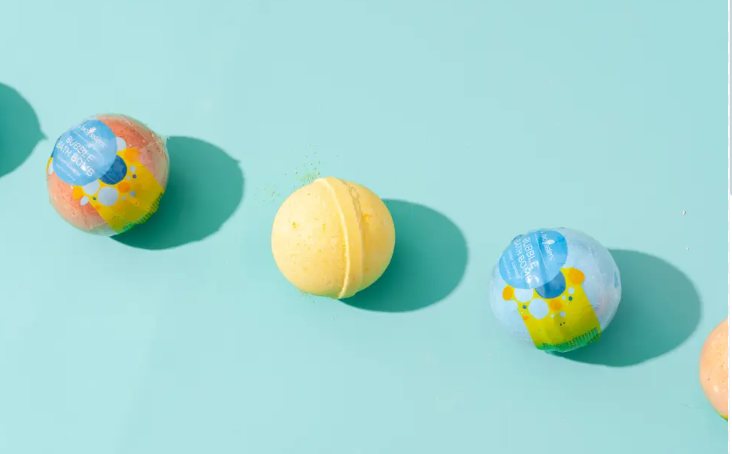
This question has been circulating on social media for a while now, fueled by viral videos of people holding bath bombs over campfires or dropping them onto hot coals. Some people are genuinely curious. Others are worried about storing their bath bomb collection near candles or radiators.
Let's break down the science, separate fact from internet drama, and figure out whether your bath bombs are secretly dangerous.
What Happens When You Put a Bath Bomb Near an Open Flame?
To understand what fire does to a bath bomb, you first need to know what's inside one. Bath bombs are essentially compressed balls of dry chemicals designed to react with water. When they hit warm bathwater, they fizz spectacularly. But heat from a flame is a completely different kind of energy input.
The reaction you see in the tub is an acid-base reaction. Fire introduces thermal decomposition instead — a process where heat breaks down chemical compounds into simpler substances. These two processes look very different and produce very different results.
The Key Ingredients That React to Heat
A typical bath bomb contains a handful of core ingredients, each with its own relationship to heat:
Sodium bicarbonate (baking soda) — The base ingredient. It begins to decompose at temperatures above 50°C (122°F), releasing carbon dioxide gas and water vapor.
Citric acid — The acid component. It has a melting point around 153°C (307°F) and decomposes rather than burning.
Cornstarch — Used as a filler and skin softener. Fine cornstarch dust is actually flammable in certain concentrations, though in compressed form it's far less reactive.
Essential oils — These are the wild card. Many have flash points between 49°C and 65°C (120°F–149°F), meaning they can ignite relatively easily.
Colorants and glitter — Vary widely depending on whether they're mineral-based, synthetic, or plastic.
None of these ingredients are explosive on their own. But combined under the right conditions, they can produce some surprising reactions when heated rapidly.
Fizzing vs. Exploding — What's the Difference?
This is where most of the confusion lives. When people say a bath bomb "exploded," they usually mean it cracked apart suddenly or made a loud pop. That's not an explosion in any meaningful sense.
A true explosion requires a rapid, self-sustaining chemical reaction that produces a shockwave. Bath bombs simply don't contain the right chemistry for that. What they can do is release trapped gas quickly enough to fracture the compressed powder — similar to how a kernel of popcorn pops.
The correct term for what happens is rapid degassing or thermal fracturing. It's dramatic-looking but fundamentally harmless compared to actual explosive materials.
Can a Bath Bomb Actually Explode in Fire?
Here's your straight answer: No, a bath bomb cannot explode like a firecracker, grenade, or any conventional explosive device. It lacks the chemical composition for a detonation or deflagration event.
However, a bath bomb exposed to direct flame can pop, crack apart, spit small fragments, or produce a brief flare from burning oils. Under specific conditions, this can look quite dramatic — which is exactly why it performs so well on social media.
What Rapid Heating Does to Compressed Powders
Bath bombs are made by compressing dry powders together under pressure. This means there's trapped air and moisture within the structure. When you heat a compressed solid rapidly, several things happen simultaneously.
First, the sodium bicarbonate begins decomposing, releasing CO2 gas inside the compressed structure. Since the gas has nowhere to go immediately, pressure builds internally. Eventually, the outer shell can't contain it, and the bath bomb cracks or pops apart.
Think of it like heating a sealed container — the container doesn't explode because of dangerous chemicals inside. It fails because internal pressure exceeds structural strength. The same principle applies here, just on a much smaller and less dangerous scale.
The Role of Essential Oils and Fragrance Additives
This is where things get slightly more interesting from a fire perspective. Essential oils are genuinely flammable substances. Here are some common ones found in bath bombs and their approximate flash points:
| Essential Oil | Flash Point |
|---|---|
| Eucalyptus | 49°C (120°F) |
| Tea Tree | 56°C (133°F) |
| Sweet Orange | 48°C (118°F) |
| Lavender | 65°C (149°F) |
| Peppermint | 63°C (145°F) |
When a bath bomb saturated with these oils meets an open flame, the oils can ignite and sustain a small flame briefly. This is what creates those eye-catching flare-ups you see in viral videos. The flame is real, but it's small, short-lived, and comparable to lighting a cotton ball soaked in rubbing alcohol.
In commercially produced bath bombs, the concentration of essential oils is typically quite low — usually between 1% and 3% of total weight. This limits the amount of fuel available for combustion significantly.
Glitter, Dyes, and Other Additives — Do They Add Risk?
Cosmetic-grade glitter is often made from PET plastic (polyethylene terephthalate) or sometimes mica. PET plastic can melt and burn at high temperatures, potentially releasing fumes. However, the quantity in a single bath bomb is tiny — we're talking fractions of a gram.
Synthetic dyes used in bath bombs are generally not flammable in the concentrations present. They may produce unpleasant-smelling smoke if heated to decomposition, but they won't contribute to any explosive reaction.
The bigger concern with heating these additives isn't fire risk — it's the potential for inhaling irritating or mildly toxic fumes from burning plastics and synthetic compounds. This is a good reason not to deliberately burn bath bombs indoors, even if the fire risk itself is minimal.
Real-World Scenarios — When Bath Bombs Meet Heat
Let's move from laboratory chemistry to your actual life. Here are the situations where bath bombs might realistically encounter heat, and what you can expect.
Stored Near Radiators, in Hot Cars, or by Sunny Windows
Ambient heat — the kind you get from a radiator, a car dashboard in summer, or a sunny windowsill — is unlikely to cause any popping or cracking. Temperatures in these scenarios typically range from 40°C to 70°C (104°F to 158°F).
What ambient heat will do is degrade your bath bomb's quality. Essential oils may evaporate or oxidize, fragrances will fade, and the compressed powder may soften or crumble. If moisture is also present, you might get premature fizzing — a slow, sad version of what should happen in your bathtub.
There's no safety hazard here. Just wasted money and a disappointing bath experience.
Accidentally Dropped Into a Firepit or Campfire
This is the scenario most people are actually curious about. Based on documented experiments and video evidence, here's what typically happens when a bath bomb lands in a fire:
The outer surface begins to scorch and darken within seconds.
You may hear crackling or popping as trapped moisture and gas escape.
If the bath bomb contains significant essential oils, you might see brief flare-ups or small flames on the surface.
The bath bomb fractures and crumbles apart as internal CO2 is released.
Colored flames may appear briefly from mineral-based colorants burning (similar to how copper produces green flames).
The whole process takes maybe 30 to 90 seconds. At no point does anything fly through the air with force. There's no bang, no shrapnel, no danger to bystanders at normal campfire distance. It's underwhelming if you're hoping for fireworks.
Social Media "Fire Tests" — What Videos Show vs. Reality
If you've watched bath bomb fire test videos on TikTok or YouTube, you've probably noticed they look more dramatic than what I just described. There are a few reasons for this.
Camera angles and slow motion make small pops look larger. Audio is often boosted or replaced. Some creators use homemade bath bombs with much higher oil concentrations than commercial products. And occasionally, people add accelerants or other substances to make the reaction more visually interesting without disclosing it.
The reality is that a standard store-bought bath bomb in a fire produces a mildly interesting visual for about a minute. It's not nothing — but it's not dangerous either.
Are Bath Bombs a Fire Hazard in Your Home?
For the average person with a few bath bombs sitting in their bathroom cabinet, the answer is a clear and reassuring no. Bath bombs are not a fire hazard under normal household conditions.
Official Safety Classifications for Bath Bomb Ingredients
Bath bombs are classified as cosmetic products, not hazardous materials. They don't require special shipping labels, hazmat storage, or fire-resistant containers. Regulatory bodies in the US, EU, and UK all treat them as standard consumer cosmetics.
Sodium bicarbonate is actually used as a fire suppressant in some types of fire extinguishers. Citric acid is non-flammable. The overall composition of a bath bomb is more likely to help put out a small fire than start one.
For shipping purposes, bath bombs are not classified as flammable solids, oxidizers, or explosives under any international transport regulation. They travel in regular mail without restrictions.
When Bath Bombs Could Become Dangerous
There are a few edge cases worth mentioning, mostly involving homemade or non-standard products:
Homemade bath bombs with excessive essential oils — If someone saturates their DIY bath bombs with 10%+ essential oil content, the fire risk increases meaningfully. The product becomes more like a scented candle than a cosmetic.
Bath bombs containing non-standard additives — Some artisan makers experiment with unusual ingredients. Anything containing alcohol, petroleum-based fragrances, or metallic powders beyond cosmetic-grade mica could behave unpredictably near flame.
Bulk storage in hot environments — A single bath bomb near a candle is fine. A box of 50 oil-rich bath bombs stored in a hot attic next to other flammable materials is a different risk profile, though still unlikely to spontaneously ignite.
For commercially produced bath bombs from reputable brands, none of these scenarios apply. They're formulated within safe concentration limits.
Safe Storage and Handling Tips
Even though bath bombs aren't dangerous, proper storage keeps them effective and extends their shelf life. Here's what works best.
Ideal Storage Conditions
Store your bath bombs in a cool, dry location away from direct sunlight. A bedroom closet or linen cabinet works perfectly. Avoid the bathroom itself if possible — the humidity from showers can slowly activate the fizzing reaction over time.
Airtight containers or resealable bags help prevent moisture from reaching the product. If you live in a humid climate, tossing a silica gel packet in with your bath bomb collection isn't a bad idea.
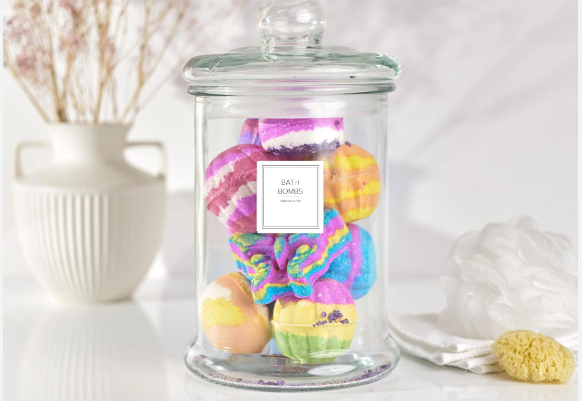
Keep them away from heat sources — not because of fire risk, but because heat degrades the essential oils and can cause the compressed powder to soften and lose its shape. A bath bomb that's been heat-damaged will still work, but it won't fizz as impressively.
What to Do If a Bath Bomb Is Accidentally Exposed to Heat
If a bath bomb has been sitting in a hot car all day or was accidentally left near a heat source, here's what to do:
Check for obvious damage — cracking, crumbling, oil leaking, or strong chemical smell.
If it looks intact and smells normal, it's fine to use. Quality may be slightly reduced.
If it's crumbled or the oils have separated, dispose of it in regular household trash.
If a bath bomb has actually caught fire or been scorched, ventilate the area and avoid inhaling the smoke. The fumes from burning essential oils and synthetic additives can irritate your lungs.
There's no need to call emergency services or treat a heat-damaged bath bomb as hazardous waste. It's a cosmetic product, not a chemical weapon.
The Bottom Line — Should You Be Worried?
Standard bath bombs from reputable brands are not explosive, not significantly flammable, and not a fire hazard in your home. They can pop or crack when exposed to direct flame due to rapid gas release, and their essential oils can briefly sustain a small flame — but that's the extent of it.
The viral videos showing dramatic reactions are either using non-standard products, creative camera work, or both. Your store-bought lavender bath bomb sitting on the shelf is about as dangerous as a bag of baking soda — because that's mostly what it is.
That said, common sense still applies. Don't store bath bombs directly next to open flames or heat sources. Don't deliberately set them on fire indoors. And if you're making homemade bath bombs, keep essential oil concentrations within recommended limits (typically 1-3% of total weight).
Buy from brands that list their full ingredients, store them properly, and enjoy your fizzy baths without worrying about accidental detonation. Your bathroom is safe.