
If you've ever opened a shipment of bath bombs only to find a box of colorful rubble, you know the frustration. These delicate products demand more care than most cosmetics during transit, and standard shipping practices simply don't cut it.
Whether you're a manufacturer fulfilling wholesale orders or a retailer managing e-commerce logistics, getting bath bombs from point A to point B intact is a real operational challenge. Let's break down exactly what goes wrong and how to fix it.
Why Bath Bomb Transportation Is Uniquely Challenging
Bath bombs are essentially compressed powder held together by oils, butters, and a careful balance of moisture. They're designed to dissolve on contact with water — which makes them inherently reactive during transit when humidity is present.
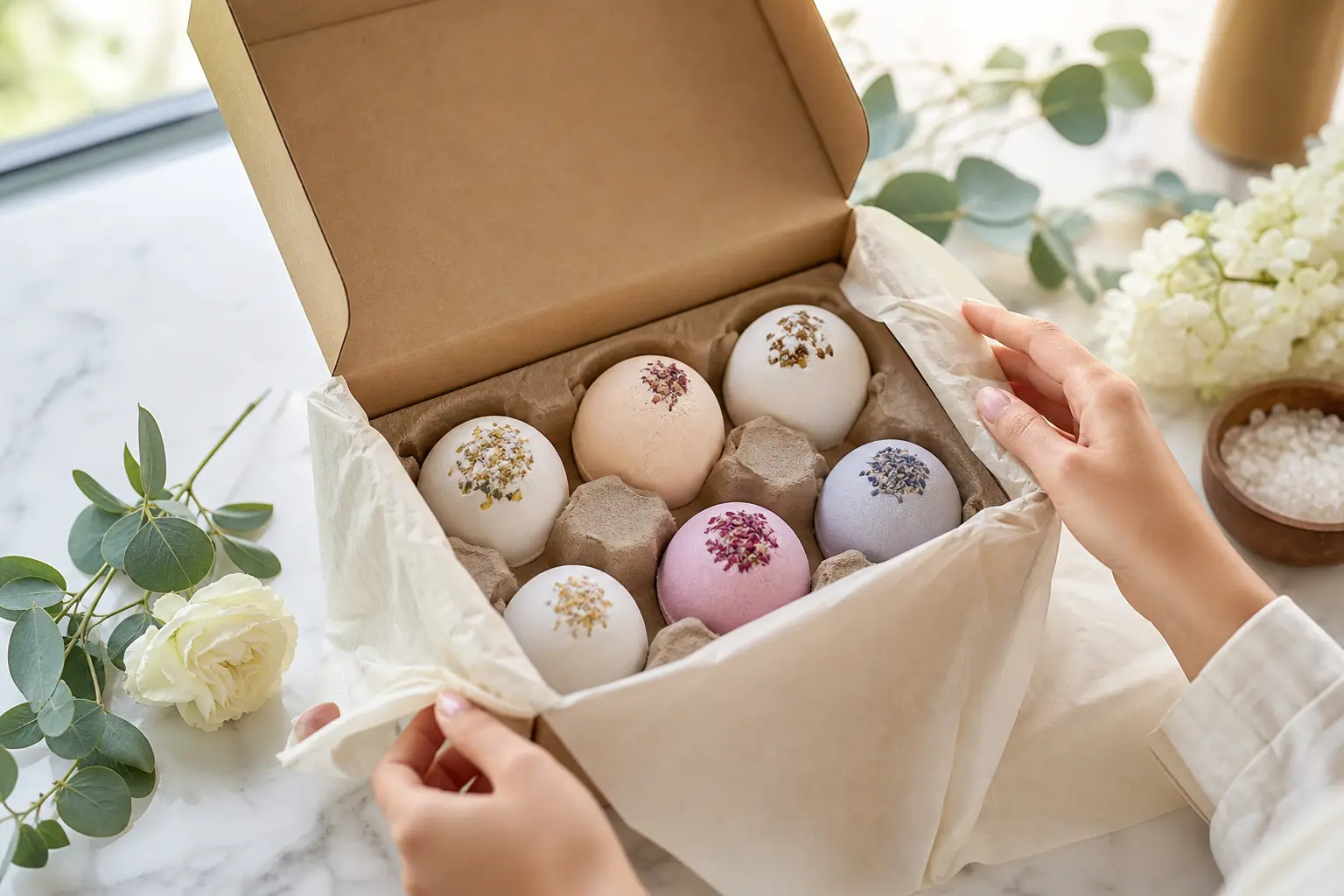
Unlike solid cosmetics or bottled liquids, fizzy bath products sit in an awkward middle ground. They're too fragile for standard stacking, too reactive for humid environments, and too soft for rough handling. This makes fragile cosmetic shipping a genuine logistics puzzle.
The financial impact is significant. Industry estimates suggest that bath bomb manufacturers lose between 8-15% of product value to transit damage annually. For small businesses operating on thin margins, that's the difference between profitability and loss.
The Top Enemies of Bath Bombs in Transit
Moisture and Humidity Exposure
This is enemy number one. Bath bombs work because citric acid reacts with baking soda in the presence of water. Even minor humidity — we're talking 60% relative humidity or above — can trigger a slow surface reaction that degrades the product.
The real danger comes from condensation. When sealed containers move between climate-controlled warehouses and hot delivery trucks, temperature differentials cause moisture to form on interior surfaces. That moisture drips onto your product, and the fizzing begins before any customer ever runs a bath.
Moisture-proof transport isn't optional for these products. It's the baseline requirement.
Physical Impact and Vibration
Road vibration is a silent killer. Bath bombs might survive a single drop, but hours of continuous micro-vibrations on a delivery truck create tiny fractures throughout the compressed powder structure. These micro-cracks eventually cause full crumbling.
Loading and unloading are the highest-risk moments. Packages get tossed, stacked unevenly, and jostled against other freight. Without proper internal cushioning, even a well-packed box can't protect its contents from these forces.
Temperature Extremes
Heat above 30°C (86°F) softens the cocoa butter, shea butter, and essential oils that bind bath bombs together. The result is sticky, deformed products that lose their shape and fuse to packaging materials.
Cold presents the opposite problem. Below 5°C (41°F), bath bombs become brittle. The oils solidify and contract, creating internal stress points. A minor bump that would normally cause no damage can snap a cold bath bomb clean in half.
Prolonged Exposure to Air
Extended transit times mean extended air exposure. Oxygen gradually degrades fragrance oils, fades vibrant colorants, and activates a slow surface fizz that leaves products looking dull and feeling chalky.
This is particularly relevant for ground shipping across long distances or international orders that sit in customs for days. Bath bomb packaging protection must account for time as a degradation factor.
Packaging Solutions That Actually Protect Bath Bombs
Individual Wrapping Methods
Every single bath bomb needs its own moisture barrier. Here's how the common options compare:
Shrink wrap: Excellent moisture seal, tight fit prevents movement, but not biodegradable. Still the industry standard for maximum protection.
Biodegradable cellophane: Good moisture resistance, eco-friendly, but slightly less airtight than shrink wrap. Growing in popularity as brands prioritize sustainability.
Wax paper: Decent short-term moisture barrier, affordable, but offers zero cushioning and can tear easily.
Sealed foil pouches: Premium protection against moisture, light, and air. Best for high-value or long-distance shipments but adds cost.
The industry is shifting toward compostable films that offer comparable moisture barriers to traditional plastic. If your brand values align with sustainability, these are worth investigating despite the slightly higher per-unit cost.
Inner Cushioning and Dividers
Once individually wrapped, bath bombs need to be immobilized inside the shipping container. Movement equals damage.
Molded pulp trays are the gold standard. They cradle each unit snugly without applying crushing pressure. Corrugated dividers work well for uniform shapes, while tissue paper nesting suits irregular or artisan-shaped products. Foam inserts offer excellent protection but raise environmental concerns for eco-conscious brands.
The key principle: every bath bomb should be unable to shift more than 2-3mm in any direction within its compartment.
Outer Box Selection and Sealing
Not all corrugated boxes are equal. For bath bomb shipments, you want a minimum 32 ECT (Edge Crush Test) rating for small orders and double-wall construction for wholesale quantities exceeding 5kg.
Box sizing matters enormously. An oversized box allows contents to shift and collide during transit. Aim for no more than 2-3cm of clearance on any side after cushioning is in place. Fill remaining voids with kraft paper or air pillows — never loose packing peanuts, which settle and leave products unprotected.
Seal with pressure-sensitive tape on all seams. The H-taping method (across the center seam plus both edge seams) provides the strongest closure.
Desiccants and Moisture-Control Inserts
Silica gel packets are non-negotiable for bath bomb shipments. Place them inside the sealed box but outside individual product wrapping to absorb ambient moisture without direct contact.
General guidelines for desiccant quantity:
Small box (up to 0.02 m³): 2-3 packets of 5g silica gel
Medium box (0.02-0.06 m³): 4-6 packets of 10g silica gel
Large/wholesale box (0.06+ m³): 8-10 packets of 10g or use a single 50g unit
Humidity indicator cards placed inside shipments give recipients an instant visual check on whether moisture levels stayed safe during transit. They're inexpensive and invaluable for quality control in cosmetic product logistics.
Climate and Route Planning for Bath Bomb Shipments
Seasonal Shipping Considerations
Summer shipments need thermal insulation or expedited service to minimize heat exposure. Consider adding reflective bubble liners to boxes during peak summer months, especially for routes through hot climates.
Winter brings brittleness risks. Increase cushioning density during cold months and avoid shipping on Fridays when packages might sit in unheated facilities over weekends. Adjust your approach seasonally rather than using a one-size-fits-all packaging spec.
Choosing the Right Carrier and Service Level
Every additional day in transit increases damage risk. Expedited shipping costs more upfront but often saves money when you factor in reduced damage claims and customer complaints.
Most major carriers offer fragile-item handling tiers. These typically guarantee reduced stacking weight, gentler sorting, and priority loading. The premium is usually 15-25% above standard rates — a worthwhile investment for high-value bath bomb orders.
For fizzy bath product handling, shorter transit windows are almost always worth the extra cost. Ground shipping across multiple climate zones is where most damage occurs.
Warehousing and Staging Best Practices
Store bath bombs in climate-controlled environments between 15-22°C with relative humidity below 50%. Pallet stacking should never exceed three layers for standard bath bomb cases to prevent crushing lower units.
Implement FIFO (First In, First Out) rotation religiously. Bath bombs that sit in storage for months degrade even in ideal conditions. Aim to ship within 30 days of production for optimal freshness.
Labeling, Documentation, and Compliance
Fragile and Orientation Markings
Apply these labels to at least two visible sides of every bath bomb shipment:
FRAGILE — HANDLE WITH CARE (red text on white background)
KEEP DRY (umbrella symbol)
THIS SIDE UP (if products are orientation-sensitive)
Place labels above the midline of the box where they're visible when stacked. Labels on the bottom third get hidden by adjacent packages and become useless.
Regulatory Considerations for Cosmetic Shipping
Bath bombs containing essential oils may require Safety Data Sheets (SDS) for carrier compliance, particularly for air freight. Some essential oils — like clove or cinnamon — have flash point restrictions that affect transport classification.
International shipments need accurate customs declarations specifying "cosmetic bath products" with ingredient lists. Certain countries restrict specific colorants or fragrances, so verify destination regulations before shipping overseas.
Insurance and Damage Claims
Insure any shipment valued above your comfortable loss threshold. For most small businesses, that's anything over $100-150 in product value. Document packaging methods with photos before sealing — this evidence is critical for successful damage claims.
When filing claims, provide photos of external box condition, internal packaging state, and individual product damage. Most carriers require claims within 7-14 days of delivery, so establish a protocol for recipients to report issues immediately.
Quality Control Checks Before and After Transit
Pre-Shipment Inspection Checklist
Before any bath bomb enters a shipping container, verify:
Visual inspection: No visible cracks, chips, or surface discoloration
Hardness test: Gentle squeeze should show no give or crumbling at edges
Moisture reading: Surface moisture meter should read below 5%
Fragrance check: Scent should be strong and true to formula
Weight verification: Units within 5% of target weight (underweight suggests premature fizzing)
Reject any units that fail these checks. Shipping marginal product just generates returns and damages your brand reputation.
Receiving and Unpacking Protocols
Recipients should check humidity indicator cards immediately upon opening. If indicators show exposure above 60% RH, inspect all units carefully regardless of visual appearance.
For wholesale orders, an acceptable damage threshold is typically 2-3%. Anything above that warrants a carrier claim. Document breakage percentage, photograph damaged units alongside intact ones for scale, and note any moisture or scent issues.
Common Mistakes That Ruin Bath Bomb Shipments
These errors account for the majority of transit damage. Avoid them and you'll eliminate most problems:
Overpacking without cushioning: Cramming maximum product into minimum space saves on shipping costs but guarantees crushing damage. Leave room for protective materials.
Using recycled boxes with compromised integrity: Reused corrugated boxes lose up to 40% of their crush resistance. Always use fresh boxes for bath bomb shipments.
Skipping desiccants in humid regions: If your shipment passes through or arrives in areas with humidity above 55%, desiccants aren't optional. They're essential.
Ignoring weight distribution: Heavier bath bombs should always go on the bottom layer. Placing large units on top of smaller, lighter ones causes crushing.
Choosing ground shipping during heat waves: When temperatures exceed 35°C, ground shipments sitting in metal trucks can reach internal temperatures of 50°C+. Switch to expedited air during extreme heat.
Wrapping bath bombs in direct contact with bubble wrap: The textured surface imprints on soft bath bombs and the plastic traps moisture against the product surface.
Failing to communicate handling requirements to fulfillment partners: If a third-party warehouse handles your shipping, they need explicit written protocols for your products. Don't assume they know.
Frequently Asked Questions (FAQ)
What is the best packaging material for shipping bath bombs?
The most effective approach combines individually shrink-wrapped units placed in molded pulp trays, with silica gel desiccant packets, all sealed inside a properly-sized corrugated box with void fill. This layered system addresses moisture, impact, and movement simultaneously. For eco-conscious brands, biodegradable cellophane plus recycled pulp trays offer comparable protection with a smaller environmental footprint.
Can bath bombs be shipped internationally without damage?
Yes, but international shipments require extra precautions. Extended transit times and potential customs holds mean products spend longer in uncontrolled environments. Use double moisture barriers (individual wrapping plus a sealed inner bag for the entire batch), increase desiccant quantities by 50%, and choose expedited international services to minimize exposure time. Factor in 3-5 extra days of potential customs delays when assessing packaging adequacy.
How do you prevent bath bombs from activating during shipping?
Premature activation is almost always caused by moisture contact. The prevention strategy is straightforward: seal each bath bomb in an airtight wrapper, include desiccant packets in the outer box, and ensure the shipping container itself is sealed against external humidity. Avoid shipping routes that cross major climate zones without thermal protection, as temperature swings create condensation inside packages.
What temperature range is safe for transporting bath bombs?
The ideal transport temperature range is 15-25°C (59-77°F). Above 30°C, butters and oils begin softening, causing deformation and stickiness. Below 5°C, the product becomes brittle and crack-prone. If your shipment will experience temperatures outside this window, add thermal insulation (reflective liners for heat, insulated panels for cold) and consider expedited shipping to reduce exposure duration.
How should damaged bath bombs be handled upon delivery?
Document everything immediately. Photograph the external packaging condition before opening, then capture the internal state including desiccant indicators. Count and photograph damaged units. File a carrier claim within the required window (typically 7-14 days). For partially damaged bath bombs that are cracked but not crumbled, many businesses repurpose them as "bath bomb crumbles" sold at a discount rather than writing them off entirely.
Is it better to ship bath bombs in bulk or individually packaged?
It depends on the destination. Wholesale pallet shipments benefit from bulk packing in divided cases with shared desiccants and outer stretch wrapping. Individual e-commerce orders need per-unit wrapping with dedicated cushioning since each package faces independent handling risks. Bulk shipping is more cost-efficient per unit but requires stricter stacking and weight distribution protocols. Individual packaging costs more but gives you complete control over the customer unboxing experience.