
Walk down the skincare aisle at any farmers' market or health-food store lately, and you'll notice something: goat milk soap is everywhere. Cream-colored bars stacked on wooden shelves, wrapped in kraft paper, priced anywhere from a few dollars to nearly twenty. It's gone from niche artisan product to legitimate contender in the natural skincare space — but the question I keep hearing from friends is a simple one.
Can you actually use this stuff on your face? Or is it just another viral trend dressed up in earthy branding?
The short answer is yes, for most people. The longer answer is more interesting.
What Exactly Is Goat Milk Soap?
At its core, goat milk soap is soap made by replacing some or all of the water in a traditional recipe with fresh goat milk. The base still involves the same chemistry — oils (usually olive, coconut, or a blend) combined with lye through a process called saponification. Nothing scary about that word, by the way. All real soap involves lye. If a "soap" doesn't, it's technically a detergent bar.
What sets goat milk soap apart from that pink bar sitting in most bathrooms is what stays behind after saponification. Cream, natural sugars, and a decent load of vitamins that most mass-produced bars either strip out or never contained in the first place.
The Traditional Cold-Process Method
Real artisan soapmakers use what's called cold process. The oils and lye react at low temperatures (often the milk is frozen into slush first to prevent scorching), which preserves the nutrients that make goat milk worth using in the first place. This bar then cures for 4 to 6 weeks.
Mass-produced grocery store versions often use melt-and-pour bases with a splash of goat milk added at the end for marketing purposes. It's not the same product, even if the label looks similar. If the ingredient list reads more like a chemistry lab than a kitchen, you're probably not getting the real benefits.

Key Nutrients You're Actually Getting
A well-made bar delivers vitamin A (which supports cell turnover), selenium (studied for its role in skin health), fatty acids like caprylic and capric acid, and — the one skincare chemists get most excited about — lactic acid.
Lactic acid is a naturally occurring alpha-hydroxy acid. It's the same active ingredient that shows up in expensive exfoliating serums, just at a much lower and gentler concentration. That's why formulators pay attention to it: it works without being harsh.
So, Can You Really Use It on Your Face?
Yes — with a few honest caveats.
Most facial skin tolerates goat milk soap well, and some people find it works better than the expensive cleanser they were loyal to for years. But "most" isn't "everyone," and I'd rather tell you the truth than sell you a bar.
What Makes It Face-Friendly
Three things, mainly. First, pH. Regular commercial bar soap tends to run alkaline (pH 9-10), which disrupts the skin's slightly acidic barrier. Well-made goat milk soap typically lands closer to pH 7-8. Not perfect — most dermatologists still prefer a syndet cleanser closer to pH 5.5 — but noticeably gentler than a standard bar.
Second, the lather is creamy rather than squeaky. That "squeaky clean" feeling everyone chased in the 90s? Turns out that was your moisture barrier waving goodbye.
Third, the natural glycerin produced during saponification stays in the bar. Big commercial brands often extract glycerin to sell separately (it's valuable), leaving behind a drier product.
When It Might Not Be the Best Idea
If you're in the middle of a cystic acne flare, a soap bar — any soap bar — probably isn't your answer. You need targeted actives like salicylic acid or benzoyl peroxide, prescribed by a dermatologist.
Same story for severe eczema. During a flare, even gentle products can sting. And while topical dairy allergies are rare, they exist. If you've had reactions to lanolin or cow's milk on your skin before, patch test carefully.
The Real Benefits People Notice
Gentle Exfoliation Without the Scrub
The lactic acid content works quietly in the background, dissolving the "glue" that holds dead skin cells together. A 2023 review in the Journal of Cosmetic Dermatology noted that low-concentration AHAs improve skin texture and radiance without the irritation associated with higher-strength peels.
What this looks like in practice: skin that feels softer after a couple of weeks, and makeup that sits more smoothly. Not dramatic overnight transformation. Small, steady improvements.
A Moisture Boost for Dry, Tight Skin
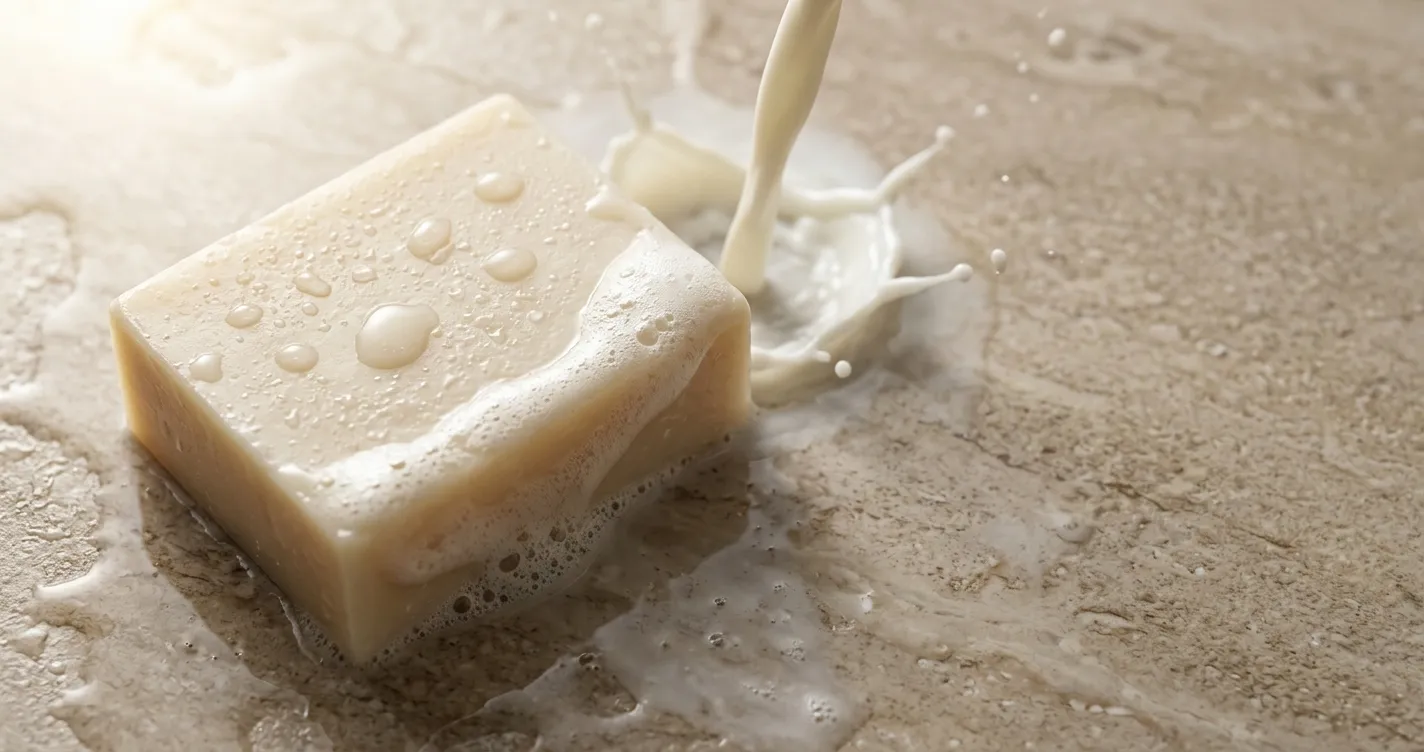
This is where goat milk soap earns its reputation. The cream content combined with retained glycerin means skin doesn't feel stretched or tight after washing. Read through Etsy and Amazon reviews for popular small-batch bars and one phrase shows up again and again: "I use less moisturizer now."
That's not marketing copy. That's people surprised by their own experience.
May Help Calm Sensitive Skin
Some dermatologists quietly recommend goat milk soap for patients with rosacea-prone or reactive skin, particularly when common cleansers keep triggering flares. The National Eczema Association's guidance leans heavily on fragrance-free, gentle cleansers, and an unscented cold-process goat milk bar fits that description well.
Keyword there: unscented. If it smells like a bakery or a flower shop, you're getting fragrance oils, which can be irritating.
Can It Really Help With Acne?
Here's where I'd rather be honest than hype it up. For mild breakouts — the occasional hormonal spot, congestion around the T-zone, or beard-area bumps — the lactic acid can genuinely help by keeping pores clearer over time.
For moderate to severe acne, no. You need the heavy hitters. Goat milk soap can complement an acne routine, but it can't replace one.
What the Numbers Say: Goat Milk Soap Is Having a Moment
Market Growth in the Natural Soap Space
This isn't just a vibe. Grand View Research and similar market analysts have valued the global natural soap market at over $6 billion, with steady double-digit growth continuing through the mid-2020s. Goat milk specifically has been one of the standout subcategories.
Farmers' market vendors I've spoken with say demand has doubled or tripled compared to five years ago. Small dairies that once struggled to move product now have waiting lists.
Why Consumers Are Switching
Survey data consistently shows shoppers moving away from synthetic fragrances, sulfates, and long unpronounceable ingredient lists. "Clean beauty" as a search term has held steady interest on Google Trends well into 2026, and unlike some passing wellness trends, it hasn't cratered.
Part of it is fatigue with the 12-step Korean skincare routine. Part of it is inflation making $60 cleansers harder to justify. A $10 bar that lasts three months starts looking pretty smart.
How to Actually Use Goat Milk Soap on Your Face
Step 1: Patch Test First
Rub a small amount of lathered soap on the skin behind your ear or along your jawline. Rinse. Wait 24 hours. If nothing weird happens — no redness, no bumps, no itch — you're likely fine.
Step 2: The Right Water Temperature
Lukewarm. Not hot. Hot water strips oils and undoes half the reason you're using a moisturizing bar in the first place. It also aggravates rosacea and broken capillaries.
Step 3: Lather in Your Hands, Not on Your Face
This one gets skipped in most articles. Rubbing a bar directly on facial skin is unnecessarily aggressive. Instead: wet your hands, work the bar between your palms until you have a creamy lather, then apply that lather to your face with gentle circular motions.
Thirty seconds is enough. You're washing your face, not exfoliating a countertop.
Step 4: Follow Up Correctly
Pat dry (don't rub). Apply your moisturizer while skin is still slightly damp. In the morning, always finish with SPF 30 or higher. This isn't optional — the lactic acid can make skin more sun-sensitive, and skipping sunscreen defeats the whole point.
How Often Should You Use It?
Oily skin can generally handle twice daily. Dry, sensitive, or mature skin usually does better with once daily, in the evening. After two weeks, judge by how your skin actually feels — not what any article (including this one) tells you it should feel.
How to Pick a Good Soap
Read the Ingredient List Like a Pro
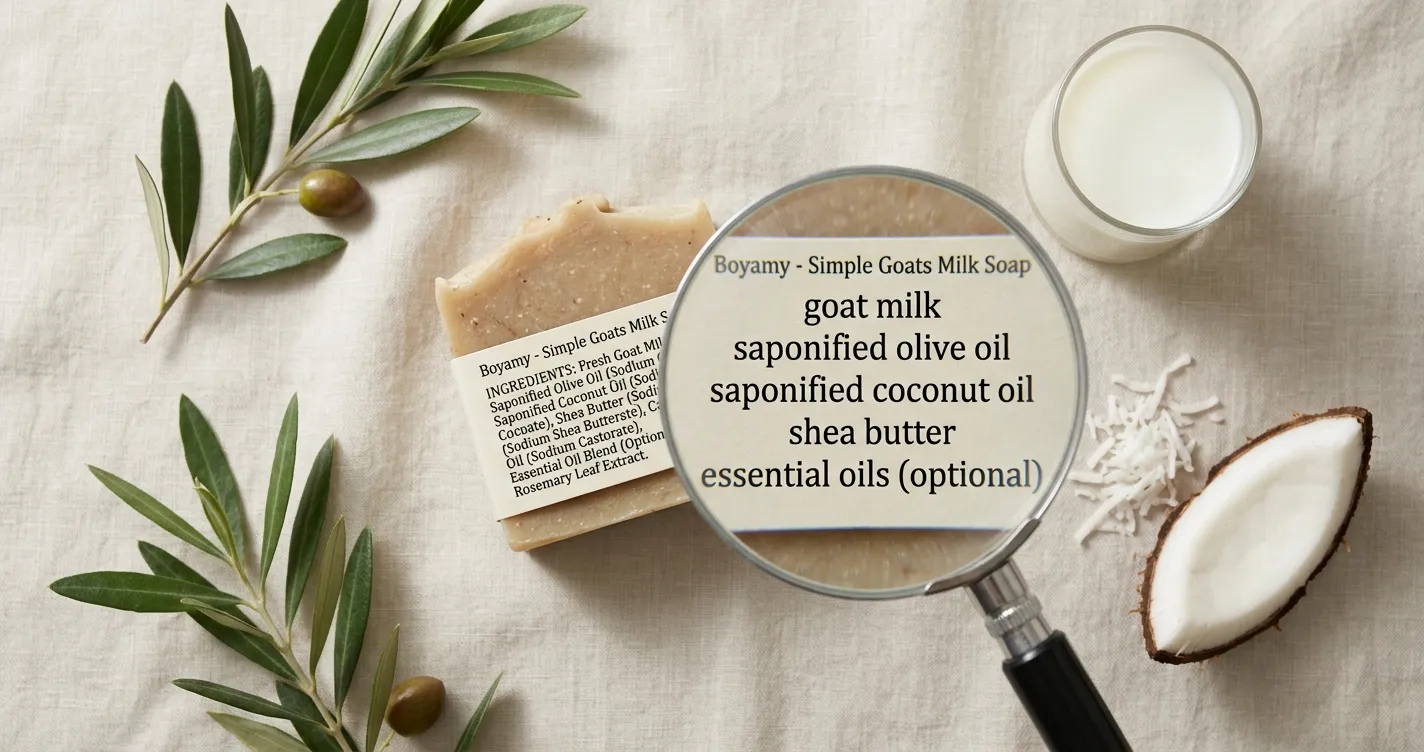
What you want near the top: goat milk (fresh, not powdered if possible), saponified olive oil, saponified coconut oil, sometimes shea butter or castor oil. What you don't want: "fragrance" or "parfum" (which can hide dozens of undisclosed chemicals), synthetic dyes, sodium lauryl sulfate, or parabens.
Essential oils are fine for most people but can irritate sensitive skin. Unscented is safest.
Cold-Process vs. Melt-and-Pour
Cold-process bars retain far more of the milk's beneficial compounds because they're made from scratch at lower temperatures. Melt-and-pour bars use pre-made soap bases that a maker melts down and adds ingredients to. Faster, cheaper, and often lower quality. Most reputable makers will tell you which method they use.
Common Mistakes to Avoid
Leaving the Bar in a Wet Puddle
Goat milk soap is softer than commercial bars. If it sits in standing water, it turns to mush in days and can grow bacteria. Use a wooden or slotted draining dish. Let it dry between uses.
Expecting Overnight Results
Skin cell turnover takes roughly 28 days. Most users see meaningful changes at the 2 to 4 week mark. If someone tells you their skin transformed after one wash, they're either exaggerating or experiencing a placebo effect. Give it a month.
Skipping Sunscreen
Lactic acid increases photosensitivity. Using AHAs — even mild ones — without daily SPF is how you end up with more sun damage, not less. Non-negotiable.
The Bottom Line
Goat milk soap isn't magic. It won't reverse a decade of sun damage or clear stubborn cystic acne. Any brand that promises it will is selling you a story.
What it does do — for a lot of people, most of the time — is clean skin gently, add a little exfoliation, and leave the moisture barrier intact. That's more than a lot of pricier cleansers can honestly claim.
Buy one well-made bar. Give it a month. Pay attention to how your skin actually feels, not what the internet insists you should experience. That's the only review that ends up mattering.
Frequently Asked Questions
Q: Is goat milk soap good for oily skin?
A: Yes, particularly formulations that include kaolin clay, bentonite clay, or activated charcoal. These absorb excess sebum while the goat milk keeps the bar from being overly drying. The common fear that "moisturizing" means "bad for oily skin" isn't accurate — stripping oily skin usually triggers even more oil production.
Q: Can I use goat milk soap if I have a dairy allergy?
A: This one deserves care. Topical reactions to goat milk are uncommon because the proteins are broken down during saponification, but they can happen — especially in people with severe allergies. If you've reacted to dairy-based skincare before, or your dairy allergy is anaphylactic, talk to your allergist before trying it. A patch test isn't a substitute for medical advice in serious allergy cases.
Q: Does goat milk soap expire?
A: Cold-process bars typically stay good for 12 to 18 months when stored dry and away from direct sunlight. Watch for signs it's past its prime: orange or yellow spots (called "DOS" — dreaded orange spots, which indicate oil rancidity), a stale or crayon-like smell, or a slick, dusty film on the surface. If it looks or smells off, toss it.
Q: Will it clog my pores?
A: Most well-formulated bars are low-comedogenic. Olive oil, shea butter, and goat milk itself all rate low on the comedogenic scale. Coconut oil rates higher, so if you're acne-prone, look for bars where coconut isn't the dominant oil. Because soap rinses off — unlike a leave-on product — the risk is lower regardless.
Q: Can I use it during pregnancy?
A: Generally considered safe — it's just soap. Unlike retinoids or high-strength salicylic acid, the lactic acid concentration in goat milk soap is very low. That said, pregnancy skin can be unpredictable, and your OB or dermatologist knows your specific situation better than any article does. Ask them if you're unsure.
Q: Is it okay for kids and babies?
A: For most children over 3 months, yes — a mild unscented bar is often a better option than kid-marketed products loaded with fragrance. For newborns and very sensitive infant skin, look for baby-specific formulations with even simpler ingredient lists. Pediatricians generally prefer fragrance-free, dye-free options.
Q: How does it compare to soap-free cleansers like Cetaphil?
A: Different products doing different jobs. Cetaphil and similar syndet cleansers are engineered to a specific pH and are excellent for very compromised skin barriers, post-procedure care, or medical conditions. Goat milk soap is more nourishing and offers gentle exfoliation, which syndet cleansers don't. Neither is objectively "better" — they serve different needs. Some people rotate between them.