
I've worked in the personal care industry for over a decade—developing product formulas, evaluating raw materials, and yes, burning more candles than most people burn in their entire lives. So whenever I see repeated online panics about whether scented candles might slowly poison us, I feel compelled to offer some perspective.
The concern is valid. You're breathing in combustion byproducts. But the full picture is more nuanced than most headlines suggest. Let me walk you through what actually happens, what the science says, and how to make smarter choices without giving up something you enjoy.
Why This Question Keeps Coming Up
Consumer awareness around indoor air quality has surged in recent years. Between viral TikTok videos claiming candles are "toxic," growing interest in clean living, and legitimate research on household pollutants, it's no wonder people are Googling this topic more than ever.
I'm not here to fear-monger. I'm not here to dismiss your concerns either. I'm here to give you the same honest breakdown I'd give a friend who asked me this over coffee.
What Actually Happens When You Burn a Scented Candle
The Combustion Process Explained in Plain Terms
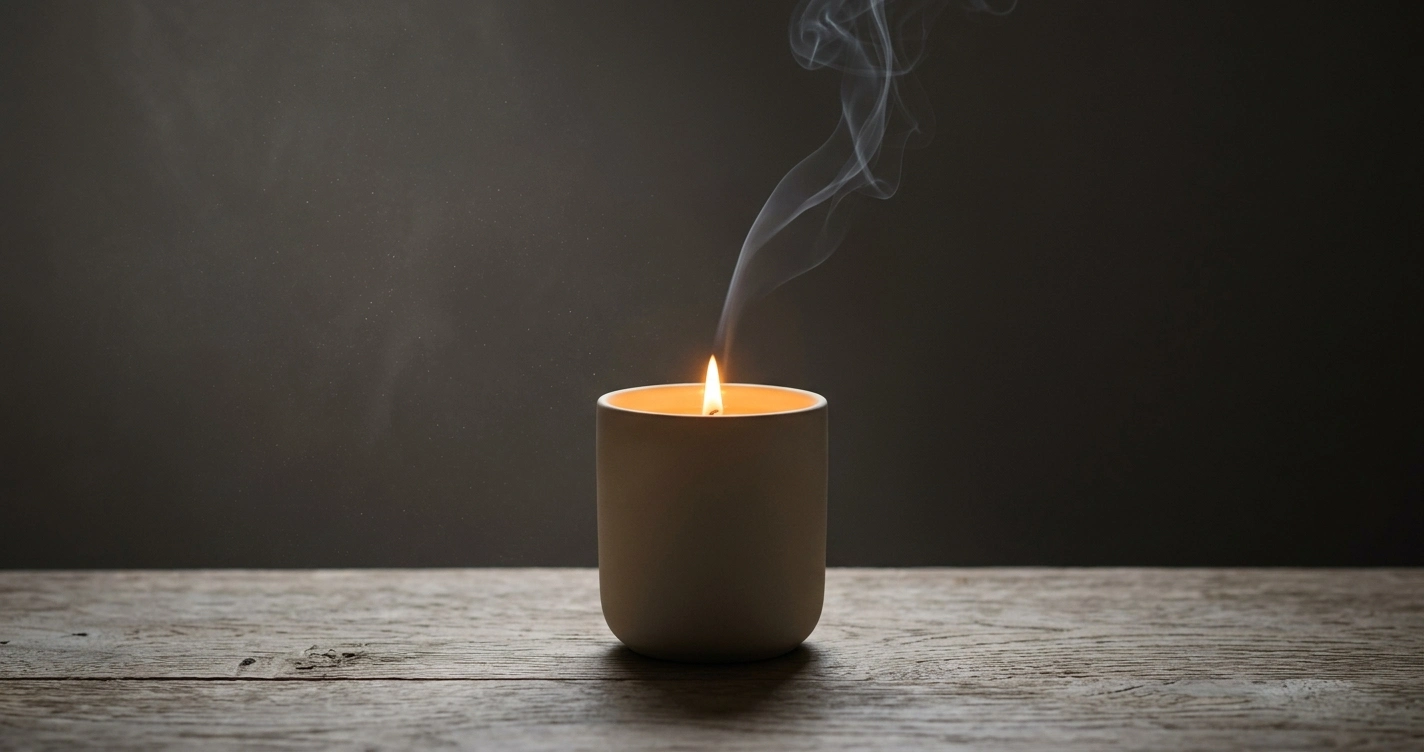
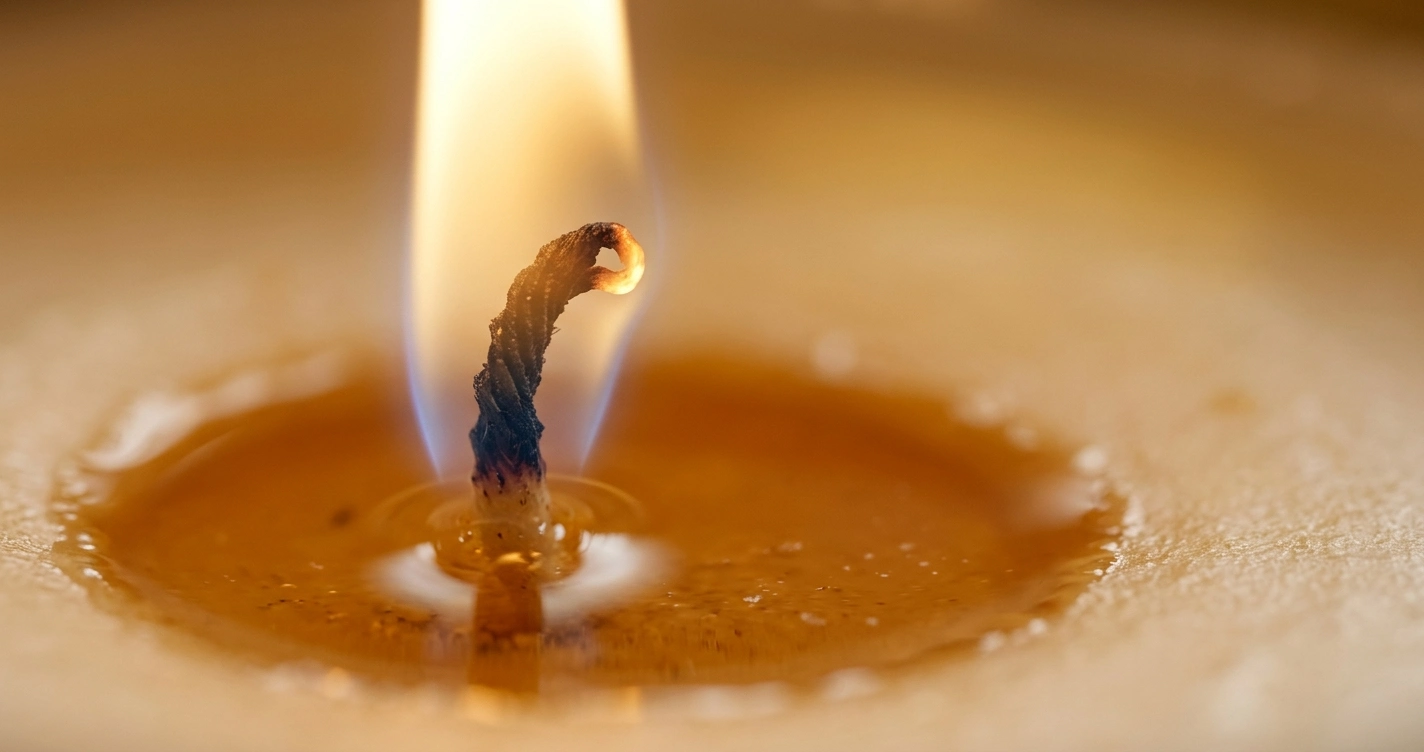
Here's the basic sequence: the flame melts the wax near the wick, that liquid wax travels up the wick through capillary action, vaporizes near the top, and then combusts. That combustion produces carbon dioxide, water vapor, and—here's the part people worry about—trace amounts of particulate matter and volatile organic compounds.
Every candle produces these byproducts. The real question isn't whether they exist. It's whether they exist at levels that actually matter for your health during normal home use.
Where the Toxins Actually Come From
Not all scented candle toxins come from the same source. There are actually four potential contributors:
Wax type — Paraffin (petroleum-derived) vs. soy vs. beeswax vs. coconut blends. Each burns differently and produces a distinct emission profile.
Fragrance oils — Synthetic fragrances can contain dozens of chemical compounds, some including phthalates. Natural fragrance oils aren't automatically "safer."
Wick composition — Cotton-core and wood wicks are standard today. Lead-core wicks were banned in the U.S. in 2003. Zinc-core wicks still exist but emit minimal amounts.
Dyes and additives — Colored candles may release additional compounds during combustion, though typically in negligible quantities.
The Science — What Research Actually Shows
Paraffin Wax and Indoor Air Quality
The most-cited study comes from South Carolina State University in 2009. Researchers found that paraffin wax fumes released compounds like toluene, benzene, and formaldehyde. It made headlines. It scared a lot of people.
What most articles leave out: the study was conducted in sealed laboratory chambers with no ventilation, and the candles were burned for extended periods. Those aren't conditions that reflect how most people actually use candles at home.
Counter-research funded by the European Candle Association found that under normal use conditions, emissions from paraffin candles remained well below levels considered harmful by WHO air quality guidelines. The truth, as usual, sits somewhere in the middle—indoor air quality and candles is a real consideration, but context matters enormously.
Soot and Particulate Matter
Candle soot consists primarily of PM2.5 particles—the same category of fine particulate matter that health agencies track in outdoor air pollution. These particles are small enough to penetrate deep into lung tissue.
But here's some perspective: cooking on a gas stove, frying food, burning incense, even using a toaster—all of these produce PM2.5. A 2014 study published in Indoor Air found that cooking a single meal on a gas stove can generate PM2.5 concentrations several times higher than burning a candle in the same room.
Candle soot health effects become more relevant in cumulative scenarios—small rooms, poor ventilation, multiple candles burning for hours. For occasional use in a reasonably ventilated space, the contribution is modest.
Fragrance Chemicals and VOC Emissions
When scented candles burn, they release volatile organic compounds including limonene, linalool, and various aldehydes. These are the chemicals that create the scent you enjoy—but they're also technically air pollutants.
Here's the dose-response context that matters: most peer-reviewed studies show that VOC emissions from a single scented candle during typical use fall well below EPA and WHO threshold limits. The concentrations detected are often 10 to 100 times lower than occupational exposure limits.
Higher-risk scenarios do exist: burning three or four candles simultaneously in a small bathroom with the door closed for hours. That's when volatile organic compounds can accumulate to levels actually worth worrying about.
Who Should Be More Cautious
People With Respiratory Conditions (Asthma, COPD)
If you have asthma, COPD, or another chronic respiratory condition, even low levels of particulate matter can trigger symptoms. Your airways are already sensitized. What a healthy person wouldn't notice could leave you wheezing.
It's worth distinguishing between fragrance sensitivity — a neurological trigger where the scent itself causes discomfort — and actual chemical irritation of the airways. Both are real. They require different solutions.
Households With Infants, Pets, or Pregnant Individuals
Developing lungs are more vulnerable. Infants and small children breathe faster relative to their body mass, so they inhale proportionally more airborne particles. Small pets face similar concerns.
For pregnant individuals, the precautionary principle is reasonable — not because any study has demonstrated definitive harm from occasional candle use, but because minimizing unnecessary chemical exposure during fetal development just makes sense. This isn't panic. It's prudence.
Heavy Users — Burning Multiple Candles Daily
Here's my real-world analogy: one glass of wine with dinner is a very different health calculation than a bottle every day. Burning a single candle for an hour in the evening is categorically different from running four candles in every room for six hours straight.
Cumulative exposure is where the risk profile shifts. If you're a heavy daily burner, everything in this article matters more for you than for someone who lights a candle on weekends.
How to Enjoy Scented Candles More Safely
Choose Better Wax Bases
Soy, coconut, and beeswax produce fewer particulates and fewer petroleum-derived emissions than straight paraffin. They're not emission-free — combustion is combustion — but the profile is cleaner.
Many candles use blended waxes (soy-coconut, paraffin-soy). Check labels. If paraffin is listed first and soy is a minor addition, you're essentially buying a paraffin candle with marketing language.
Prioritize Clean Fragrance and Transparent Brands
Look for brands that explicitly state their fragrance is phthalate-free. Compliance with IFRA (International Fragrance Association) standards is a baseline, but the better brands go further — publishing CLP safety data sheets and full ingredient lists.
This transparency trend has accelerated significantly since 2025, with more indie and legacy brands disclosing fragrance components in response to consumer demand. If a brand won't tell you what's in their product, that silence speaks volumes.
Practice Smart Burning Habits
These habits make a measurable difference in what ends up in your air:
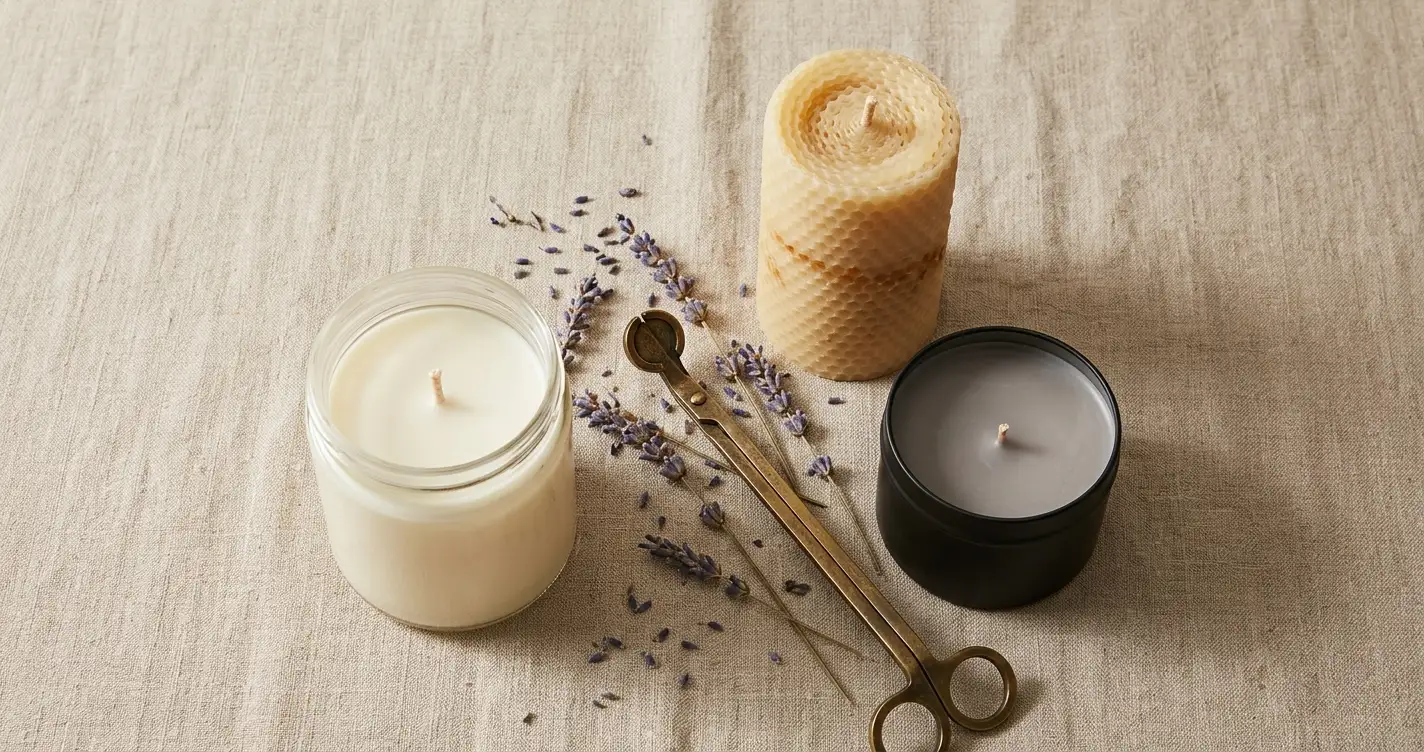
Trim the wick to 5–7 mm before every burn — longer wicks produce more soot and larger flames
Limit burn sessions to 3–4 hours maximum
Ventilate the room — crack a window or turn on an exhaust fan
Avoid burning in very small, sealed spaces like a closet-sized bathroom
Extinguish with a snuffer rather than blowing it out — blowing creates a burst of soot particles
Consider Alternatives
If you want fragrance without combustion at all, you have options:
Wax melts with electric warmers — same fragrance throw, zero soot, no flame. This eliminates the particulate matter concern entirely.
Reed diffusers — passive fragrance release with no heat involved.
Essential oil diffusers — ultrasonic models disperse scent via water mist.
Unscented beeswax candles — if you want the ambiance of a flame without the fragrance chemical load.
The Bottom Line — My Industry Perspective
After years in this industry, here's my honest take: occasional, responsible use of quality scented candles poses low risk for most healthy adults. The science supports this when you examine actual exposure levels during normal use — not sealed-chamber lab conditions.
The real danger isn't that "candles are poison." It's that cheap, poorly formulated products — with thick paraffin bases, undisclosed fragrance blends, and untrimmed wicks — get burned carelessly in small, unventilated rooms for hours on end. That combination is what matters.
Informed choices beat blanket fear every time. You don't need to throw out your candle collection. You might just need to upgrade it — and use it more thoughtfully.
Frequently Asked Questions
Q: Are soy candles truly safer than paraffin candles?
A: Soy candles generally produce lower soot emissions and fewer petroleum-derived volatile organic compounds than paraffin. But "safer" isn't black and white. A soy candle loaded with cheap synthetic fragrance and burned improperly can still degrade your air quality. The wax base matters — so do the fragrance load, wick type, and your burning habits. Think of soy as a better starting point, not a guarantee.
Q: Can scented candles cause cancer?
A: Some candles release trace amounts of benzene and toluene, both classified as carcinogens at high concentrations. The amounts detected in studies of normal candle use, though, are typically hundreds of times below levels associated with cancer risk in occupational exposure research. No epidemiological evidence currently links normal household candle use to cancer. The dose makes the poison.
Q: How can I tell if a candle is affecting my air quality?
A: Visible signs include black soot deposits on walls, ceilings, or nearby surfaces. Physical symptoms might include headaches, nasal irritation, or a scratchy throat that clears up when you stop burning. For objective measurement, affordable PM2.5 monitors ($30–$80) can show you exactly what's happening in your air before, during, and after a burn session.
Q: Are "clean-burning" or "non-toxic" labels trustworthy?
A: Right now, no universal regulatory standard defines "clean-burning" or "non-toxic" for candles. Any brand can print these terms on packaging without third-party verification. What you *can* verify independently: the wax type on the label, whether fragrance is disclosed as phthalate-free, IFRA compliance, and whether the brand publishes safety data sheets. Look for specifics, not marketing adjectives.
Q: Is candle soot the same as cigarette smoke?
A: No. While both contain particulate matter, the composition and concentration differ significantly. Cigarette smoke contains over 7,000 chemicals, including at least 70 known carcinogens, delivered in concentrated doses directly to the lungs. Candle soot is primarily elemental carbon with trace compounds, dispersed into ambient room air at far lower concentrations. Comparing the two is like comparing a dripping faucet to a fire hose.