
A comprehensive, easy-to-follow guide that compares the two, weighs their pros and cons, and helps you choose the right cleanser for your skin and lifestyle.
Walk down any personal care aisle and you'll face a quiet standoff: rows of colorful bottles on one side, stacked bars on the other. Most of us pick whatever we grew up with. But the honest answer to which is better isn't as obvious as marketing would have you believe.
What's the Real Difference Between Body Wash and Bar Soap?
At the surface level, one is solid and one is liquid. Dig a little deeper and the differences come down to chemistry, formulation, and how each product is packaged and preserved.
Both clean by loosening dirt and oil so water can rinse them away. How they get there, though, is where things split.
Bar Soap: How It's Traditionally Made
Classic bar soap is born from saponification — a reaction between fats or oils (like coconut, palm, or olive oil) and an alkali such as sodium hydroxide, commonly called lye. When the two combine, they transform into soap and glycerin.
Old-school bars had a reputation for being harsh, largely because manufacturers often stripped out the naturally forming glycerin to sell it separately. Modern formulas tell a different story. Superfatted bars leave extra oils behind, and glycerin-rich recipes keep that natural humectant in place, so today's bars can be surprisingly gentle.
Body Wash: What's Inside the Bottle
Body wash skips saponification entirely. Instead, it relies on synthetic detergents called surfactants — molecules that grab oil on one end and water on the other — suspended in a water-based liquid.
Because it's mostly water, body wash needs preservatives to stay stable and safe on a shelf, plus thickeners for that familiar gel texture. The upside is that formulators can blend in humectants, ceramides, and skin-softening oils with a lot of precision.

Quick-Glance Comparison Table
| Feature | Bar Soap | Body Wash |
|---|---|---|
| Form | Solid | Liquid |
| Texture & lather | Dense, mineral-dependent lather | Rich, consistent foam |
| Moisture level | Varies by formula | Often high, easily boosted |
| Packaging waste | Low (paper or none) | Higher (plastic bottles) |
| Cost per use | Lower | Higher |
| Travel | Compact, no spills | Bulky, can leak |
The Advantages and Drawbacks of Bar Soap
Bar soap has taken a beating in the age of sleek bottles and "spa" branding. That reputation is mostly outdated. Give the humble bar a fair hearing and it holds up remarkably well.
Why Bar Soap Is a Smart Choice
A bar lasts. With minimal water content, it delivers far more washes per gram than a diluted liquid, which is why cost per use tends to be noticeably lower.
Packaging is often just a paper wrap or nothing at all, and a good bar can sit in a cupboard for a year or more without spoiling. The cleansing power is concentrated, and modern superfatted and glycerin-heavy bars actively leave moisture behind rather than stripping it.
There's also a simplicity worth noting: a well-made cold-process bar can have a short, recognizable ingredient list — oils, water, lye, maybe a botanical or two. Fewer additives means fewer things to react to.
Clearing Up Common Bar Soap Myths
Two objections come up again and again. Both deserve a straight answer, because both are largely overblown.
The "Shared Bar = Germs" Concern
The fear that a bar is a petri dish doesn't survive scrutiny. Research on shared soap has repeatedly found that bacteria present on a bar's surface don't meaningfully transfer to freshly washed skin — the act of lathering and rinsing carries them away.
The simple fix is even easier: keep your own personal bar. Once it isn't being passed between multiple people, the hygiene question disappears entirely.
The pH Myth Explained
You've probably heard that "soap is too alkaline for skin." That was a fair critique of certain traditional bars, but it's a lazy generalization today.
Not all bars share the same pH. Syndet bars (built from mild synthetic surfactants rather than lye), pH-balanced formulas, and carefully cured cold-process recipes can land close to skin-friendly territory. Different bars simply have different pH values — it isn't a flaw baked into every solid cleanser, so it isn't something to lose sleep over.
The Honest Downsides
Not every bar is a winner. A small subset of very basic, cheaply made bars can feel tight or drying, especially on already-dry skin.
There's also the logistics: a bar left sitting in a puddle turns to mush. A draining soap dish solves that in about two seconds, but it's a small habit you have to adopt.
The Advantages and Drawbacks of Body Wash
Liquid cleansers earned their popularity honestly. They're pleasant to use and easy to formulate for specific needs — but they come with trade-offs worth understanding.
Why People Love Body Wash
Dispensing is effortless. A pump or squeeze onto a loofah, a quick lather, done — no fumbling with a slippery bar.
Formulators can pack washes with built-in moisturizers, ceramides, and soothing agents, and they can fine-tune products for oily, dry, or reactive skin. For someone with a very particular skin concern, that targeted approach is genuinely useful.
The Trade-Offs of Body Wash
Convenience has a price. Body wash generally costs more per wash, ships in plastic, and disappears faster because it's easy to over-dispense.
Because it's water-based, it also requires preservatives to stay safe, and many mainstream formulas lean heavily on synthetic fragrance. Neither is automatically harmful, but they're extra ingredients that sensitive skin may not appreciate.
Ingredients to Avoid in Both Body Wash and Bar Soap
Here's the key shift in thinking: the format matters far less than what's actually in the product. A problematic ingredient can hide in either a bottle or a bar.
Harsh Surfactants and Sulfates
Strong sulfates like sodium lauryl sulfate (SLS) create big, satisfying lather — and can also strip your skin's natural oils. For anyone with a compromised or sensitive barrier, that squeaky-clean feeling often means over-cleansing.
Synthetic Fragrances and Dyes
"Fragrance" on a label can legally hide dozens of undisclosed compounds. Along with artificial dyes, it's one of the most common triggers for irritation and contact allergies.
Drying Alcohols and Aggressive Preservatives
Denatured or SD alcohol can pull moisture from the skin, and certain harsh preservative systems occasionally cause reactions in people prone to sensitivity. Not every alcohol is bad (fatty alcohols are actually conditioning), so it pays to know the difference.
Ingredient Red-Flag Table
| Ingredient | Found In | Why to Avoid |
|---|---|---|
| SLS / SLES | Both | Can strip natural oils |
| Synthetic fragrance | Both | Irritation, allergies |
| Parabens | Mostly body wash | Preservative concerns |
| Denatured alcohol | Body wash | Drying effect |
Which Is Better for Your Skin Type?
Instead of asking "bar or bottle," ask "what does my skin actually need?" The right answer often exists in both formats.
Best Soap for Dry Skin
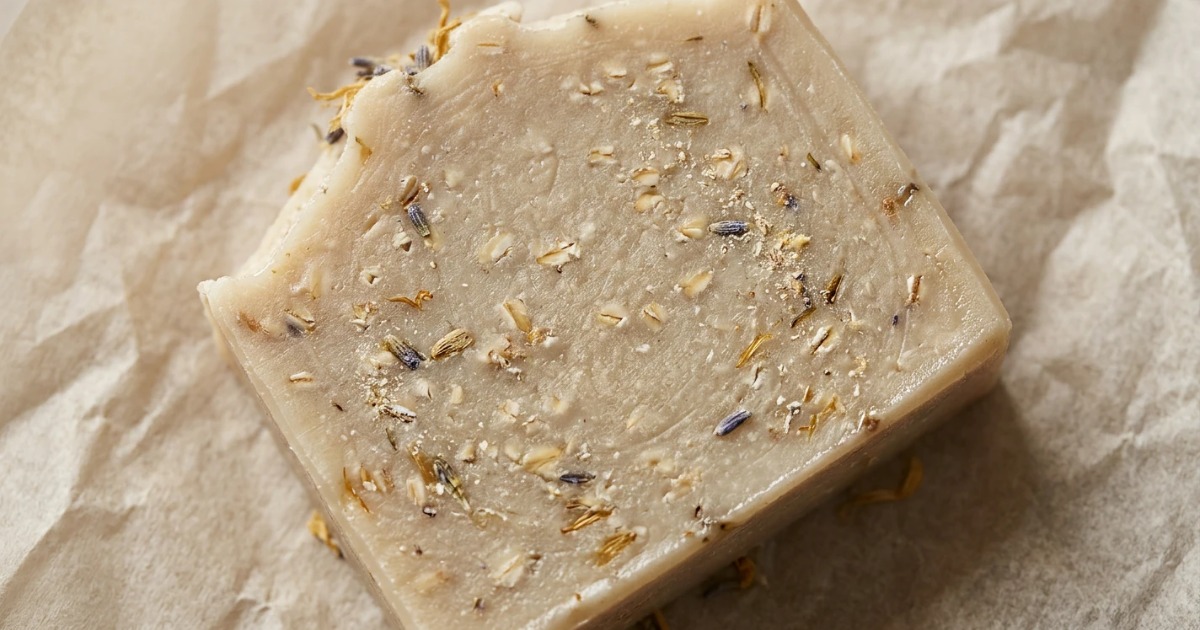
Dry skin loves ingredients that hold water. Look for superfatted, glycerin-rich bars or cream-based washes loaded with humectants like glycerin and hyaluronic acid. A well-formulated bar here can genuinely outperform a stripping liquid.
Body Wash Benefits for Sensitive Skin
Reactive skin often does best with fragrance-free, pH-balanced options. When someone reacts to a lot of ingredients, a minimalist liquid wash makes it easier to isolate exactly what's soothing — though a syndet bar can offer the same gentleness.
For Oily or Acne-Prone Skin
Clarifying bars with clay or charcoal and targeted washes with gentle exfoliating acids can lift excess oil without triggering the rebound greasiness that over-drying causes. The goal is balance, not a stripped-bare feeling.
The Verdict: Body Wash vs Bar Soap
There's no universal champion here — but there are clear areas where each pulls ahead.
Where Bar Soap Wins
Sustainability, value, and longevity go to the bar, along with ingredient simplicity. And thanks to modern superfatted and syndet formulas, its old reputation for harshness is largely undeserved.
Where Body Wash Wins
Convenience, precise moisture delivery, and specialty formulations designed for very specific skin concerns are body wash's strong suit.
The Bottom Line
The quality of the formula matters far more than whether it's solid or liquid. A thoughtfully made bar can be just as good — often better — for most people, while a poorly made version of either will disappoint. Read the ingredient list, match it to your skin, and the format becomes a matter of personal preference.
For Brands: Custom Bath & Body Care Manufacturing
For brands and retailers ready to develop their own line, Boymay — established in 1995 — offers OEM/ODM manufacturing of bath bombs, shower steamers, and personal care products. Backed by a 40,000㎡ GMP-, ISO-, and FDA-certified facility, 16 automated production lines, and low MOQs starting from 1,000 units, we deliver full customization and dependable lead times for global partners.
Frequently Asked Questions
Q: Is bar soap or body wash better for skin?
A: It depends on the formula, not the format. A gentle, well-formulated bar and a well-formulated body wash can both be excellent — while low-quality versions of either can leave skin dry. Focus on ingredients rather than the packaging.
Q: Is bar soap less hygienic than body wash?
A: Not in any meaningful way. Studies show bacteria on a bar's surface don't transfer to clean skin during normal washing. Keep your own personal bar and the only thing to avoid is sharing a single bar among several people.
Q: Does bar soap have a high pH that harms skin?
A: Different bars have different pH values. While some traditional bars run alkaline, syndet bars, cold-process recipes, and pH-balanced formulas are designed to be skin-friendly, so it isn't a concern with modern products.
Q: What is the best soap for dry skin?
A: Choose moisturizing, superfatted options in either format. Bars rich in glycerin and nourishing oils, or cream-based washes with humectants, help replenish moisture instead of stripping it away.
Q: Is body wash or bar soap more eco-friendly?
A: Bar soap generally wins on sustainability. It uses little to no plastic packaging, ships lighter without added water weight, and lasts longer per unit — a smaller footprint overall.