
Someone messages a group chat: "Ran out of body wash, is it weird that I've been using my boyfriend's for a week?" Half the replies say it's fine. The other half insist she's ruining her skin. Nobody actually knows.
So let's settle it properly, without the panic and without the marketing spin.
The Short Answer First
Yes. In most cases, a woman can use men's soap with zero problems. Your skin doesn't read the label before deciding how to react.
What actually matters is what's inside the bottle and what your skin is like. A gentle, well-formulated bar aimed at men can be kinder to your skin than a heavily perfumed "women's" one. The reverse is also true. Gender is on the packaging, not in the chemistry that touches your face and body.
There are a couple of situations worth a second thought, and we'll get to those. But if you're standing in the shower right now holding your partner's soap, you can relax.
Why This Question Comes Up So Often
Shared bathrooms are the obvious reason. Couples, roommates, families with one big pump bottle by the sink. You run out, something else is right there, and suddenly you're wondering if it counts.
The deeper reason is that people are getting skeptical. A lot of us have started asking whether the pink bottle and the blue bottle are really that different, or whether we're paying for a scent and a color scheme. That's a fair thing to wonder about.
What's Really the Difference Between Men's and Women's Soap
Here's where it gets interesting, because the honest answer is: less than you'd think, and not always where you'd expect.
Fragrance and Marketing
Scent is the biggest divider, full stop. Men's products lean woodsy, musky, "fresh sport" territory. Women's lean floral, fruity, vanilla, that kind of thing.
This is a branding decision, not a skincare one. Fragrance is added on top of a cleansing base. It tells you almost nothing about how well the product cleans or how gentle it is. Two bars can share the exact same core formula and just wear different perfumes to work.
Ingredients and Formulation
Now the real differences. Some men's bars are built with slightly stronger surfactants, the cleansing agents that lift oil and dirt off skin. The logic is that male skin tends to produce more sebum on average, so the formula aims to cut through more of it.
You'll also spot more deodorizing ingredients in men's ranges. Think added antibacterial agents or heavier scent designed to last through a workout. It's a general design choice based on averages, not a rule that applies to every single person.
The difference between men's and women's soap, when it exists at all, usually lives here in the surfactant strength and the deodorant load. Not in some secret ingredient that targets one gender's biology.
pH and Skin Barrier Considerations
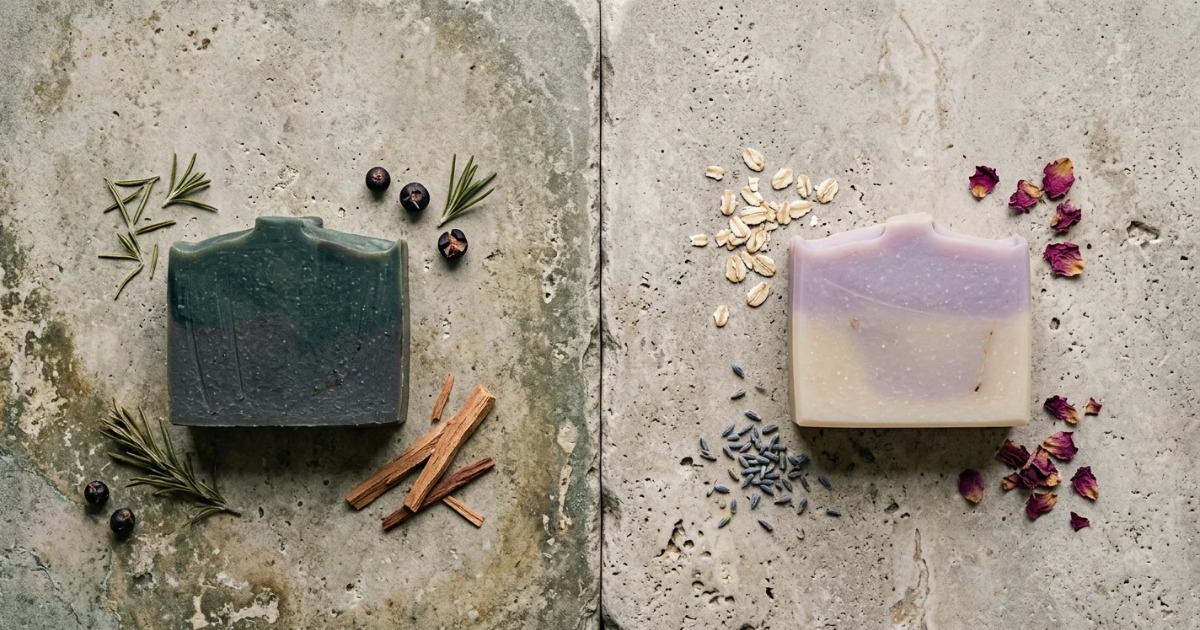
People love to bring up pH, and it does matter. Your skin's surface sits slightly acidic, and soap that's too alkaline can throw off that balance and leave the barrier feeling tight or stripped.
But here's the thing dermatologists keep pointing out: individual skin pH varies far more from person to person and skin type to skin type than it does between men and women as groups. A dry-skinned man and a dry-skinned woman have more in common than two women with opposite skin types. Gender is a weak predictor here.
So, Can Women Actually Use Men's Soap?
Yes, with a bit of nuance. Let's split it into the situations where it's totally fine and the ones where you'd want to pay attention.
When It's Perfectly Fine
Everyday cleansing? No issue. If the soap is mild and effective, your skin will treat it like any other soap.
If you've got oily or combination skin, men's formulas can actually suit you well. Those stronger cleansing agents that get marketed to men are the same ones that help manage excess shine and clogged pores, whoever's using them.
And honestly, plenty of "men's" bars are just good soap. Simple, effective, no drama. The label is the least important part.
When You Might Want to Think Twice
Sensitive or dry skin is the main one. If your skin already runs tight, flaky, or reactive, a soap built to strip oil aggressively can make that worse. It's not about it being a men's product, it's about the strength.
Strong fragrance is the other flag. Heavily scented soaps, regardless of who they're marketed to, are a common trigger for irritation and breakouts around the face and neck. If your skin is fragrance-sensitive, a punchy "midnight cedar" scent is worth avoiding.
Heavy deodorant formulas can also over-strip if used daily on already-dry areas. Fine occasionally, less ideal as your only cleanser if your skin is on the parched side.
The Ingredients Worth Checking For
Flip the bottle over instead of trusting the front. A few things to scan for:
Sulfates (like sodium lauryl sulfate): effective cleansers, but strong. Great for oily skin, potentially drying for sensitive skin.
Added fragrance (often listed as "parfum" or "fragrance"): the usual suspect for irritation. Lower down the ingredient list means less of it.
Hydrating agents like glycerin, shea butter, or added oils: a good sign for dry or normal skin, whoever the marketing targets.
Judge the product, not the packaging. That single habit answers most of these questions on its own.
Is Men's Soap Bad for Women's Skin?
This is usually where the fear creeps in, so let's be direct about it.
The Myths Worth Dropping
Men's soap is not inherently harsh or damaging to female skin. There's no ingredient that recognizes your gender and behaves differently. A gentle men's bar is gentle for everyone. A harsh one is harsh for everyone.
The idea that using it will "damage" a woman's skin specifically doesn't hold up. What can cause trouble is a formula that's too strong for your particular skin type, and that has nothing to do with the target market on the label.
The Real Risks to Watch
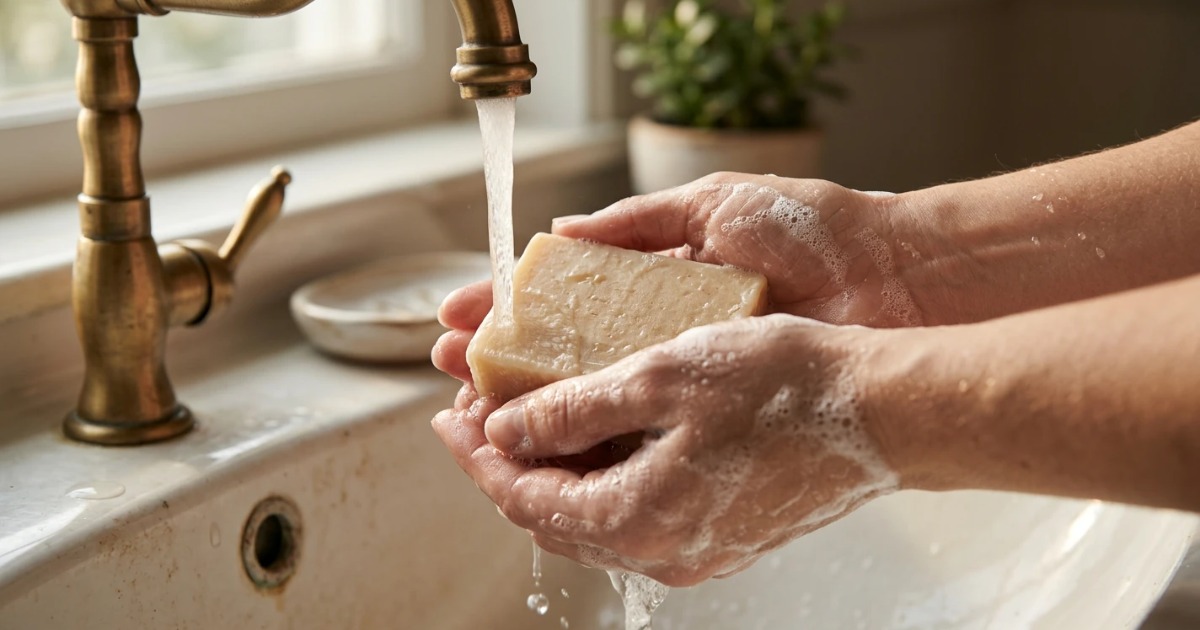
The genuine risks are pretty ordinary. Fragrance sensitivity is number one. If a soap leaves your skin itchy, red, or blotchy, the scent is usually the culprit.
Dryness from a stronger cleanser is the second. Signs to watch for: skin that feels tight right after washing, new flakiness, or a rough texture that wasn't there before.
Catch those early and just switch to something milder. This is minor stuff, easily reversed, not skin damage in any lasting sense.
The Case for Unisex and Skin-Type-Based Soap
Here's the reframe that makes the whole debate simpler.
Why Skin Type Beats Gender Labels
Dry skin, oily skin, sensitive skin, combination skin. None of these belong to one gender. There are men with delicate, reactive skin and women with tough, oily skin, and every mix in between.
Once you sort products by skin type instead of by who's on the ad, the men's-versus-women's question mostly dissolves. Unisex soap for all skin types exists precisely because the categories that actually matter aren't gendered.
Choosing Soap That Actually Fits You
Watch how your skin behaves. Does it feel greasy by midday, or dry and tight? Does it flare up with strong scents? Does it break out easily?
Pick your soap off those answers. A brand's target customer is a marketing detail. Your skin's behavior is the real brief. Match the formula to that and you'll do better than someone loyally buying whatever's aimed at their gender.
A Quick Buyer's Cheat Sheet
Something you can actually use standing in the aisle.
| Your Skin | Look For | Skip |
|---|---|---|
| Dry or sensitive | Glycerin, shea butter, low or no fragrance, "gentle" or "hydrating" | Heavy deodorant bars, strong scents, high-sulfate cleansers |
| Oily or acne-prone | Clarifying or deodorizing formulas, salicylic acid, foaming cleansers | Rich, oil-heavy moisturizing bars that leave residue |
For Dry or Sensitive Skin
Go gentle and fragrance-light, and prioritize anything that mentions hydration. Whether that bar says "for men," "for women," or nothing at all is completely beside the point.
For Oily or Acne-Prone Skin
Deodorizing and clarifying formulas tend to work beautifully here, and plenty of the best ones happen to sit in the men's section. Grab it without a second thought. Your pores don't check the branding.
Frequently Asked Questions
Q: Can women use men's body wash too?
A: Yes, and the logic is identical to bar soap. Body wash is just soap in liquid form. Check the fragrance level and the cleansing strength against your skin type, and you're good. Many people quietly share one bottle for years with no issue at all.
Q: Will men's soap affect my natural scent or hormones?
A: No. Soap sits on your skin for a few seconds and then rinses down the drain. It doesn't get absorbed in any way that touches your hormones. As for scent, a strongly perfumed soap will leave a lingering smell for a while, but that fades, and it doesn't change your actual body chemistry. If you don't love the scent, that's a preference thing, not a health one.
Q: Is there any real benefit to gendered soap at all?
A: Mostly it comes down to fragrance preference and marketing. Some men's formulas are tuned for oilier skin, some women's for gentler routines, but those are averages, not guarantees. The functional value is in the ingredients, and you can find any ingredient profile on either side of the aisle. Buy the scent you enjoy and the formula that suits your skin, and let the label be whatever it is.
Q: Can men and women safely share the same soap?
A: For most households, absolutely. Pick a well-formulated, moderately scented soap that suits the most sensitive skin in the home, and everyone's fine. The only time to keep separate bars is if one person has a specific skin concern, like eczema or strong fragrance sensitivity, that needs a targeted formula. Otherwise, one good soap for the whole bathroom is genuinely all you need.