
If your bathroom has ever filled with the soft, calming scent of lavender after a long day, you already understand the appeal. The good news is that you can make that experience at home, today, with ingredients you likely already have in your kitchen.
I have been formulating and selling shower steamers for more than a decade, through every trend and every common beginner mistake. This guide skips the fluff and walks you through exactly what works, why it works, and how to avoid the pitfalls that frustrate first-time makers.
What You'll Need Before You Start
Before we mix anything, let's run a quick check so you don't get halfway through and realize you're missing something. The beauty of this project is how little you actually need.
Everything here is forgiving. You don't need lab equipment or expensive molds to get a result that genuinely rivals what you'd buy in a store.
The Core Ingredients
At its heart, a shower steamer is a fizzing reaction. The two stars are baking soda and citric acid, and the ratio between them is what makes everything click.
I use a 2-to-1 ratio: two parts baking soda to one part citric acid. The baking soda is the base that holds shape and softens water, while the citric acid triggers the fizz when it hits the steam and splash of your shower.
Too much citric acid and your steamers fizz away in seconds. Too little and they barely react at all. That 2:1 balance is the sweet spot I keep coming back to after years of testing.
Lavender Essential Oil vs. Fragrance Oil
This is the question I get most often. Both can smell lovely, but they are not the same thing.
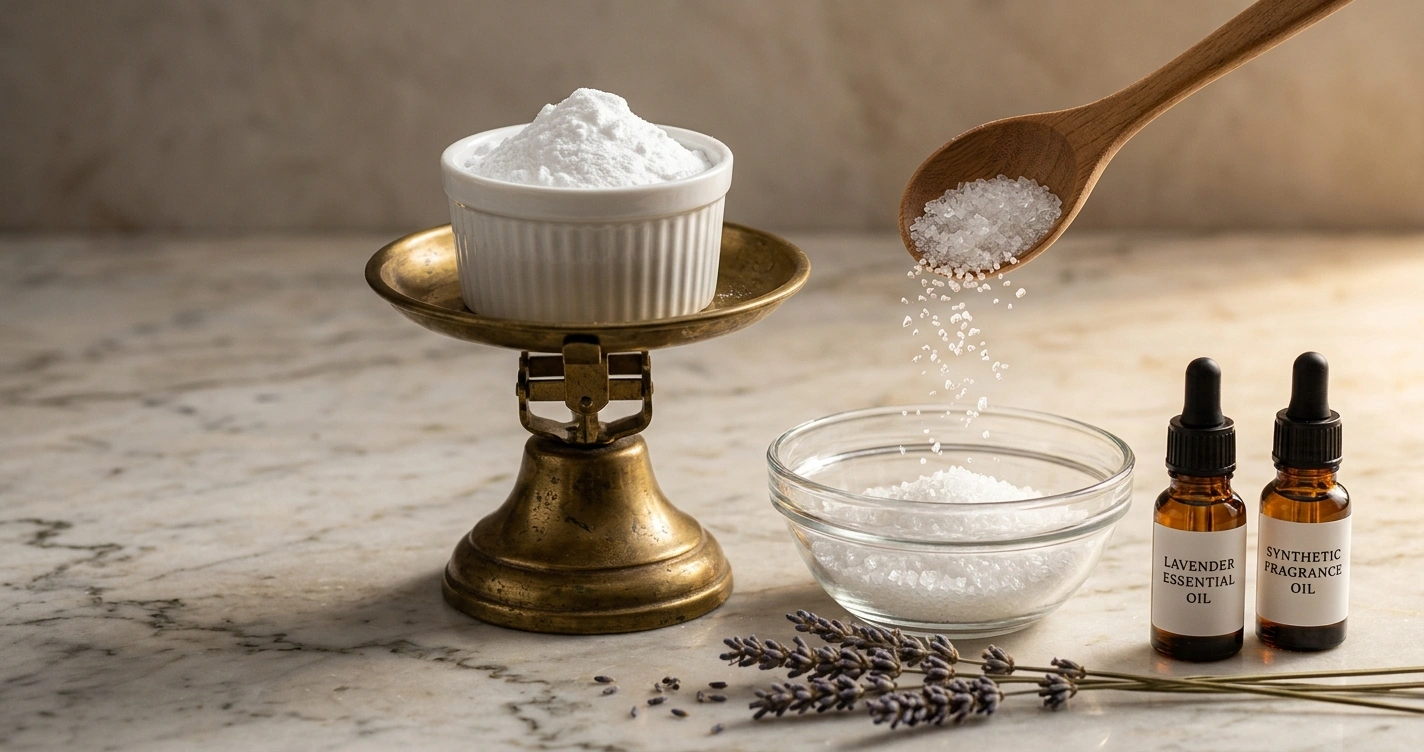
Lavender essential oil is distilled directly from the plant, so it carries the subtle aromatherapy qualities people associate with relaxation. Fragrance oil is synthetic, usually cheaper, and often stronger, but it lacks those natural therapeutic notes.
Expect to pay more for a quality essential oil, often a few dollars more per bottle, but a little goes a long way. For a truly relaxing result, I lean toward essential oil and reserve fragrance oils for when budget is the deciding factor.
Tools and Molds
You don't need anything specialized here. A mixing bowl, a spoon, a small spray bottle, and a mold are all it takes.
Silicone muffin trays, ice cube molds, or even the back of a metal measuring cup work beautifully. Many of the best shower steamers I've made came out of a basic kitchen drawer, not a supply catalog.
The Step-by-Step Lavender Shower Steamer Recipe
This is the part you came for. Follow these steps in order and you'll have a batch curing within the hour. Once you've done it once, this DIY shower steamer recipe becomes second nature.
Step 1: Mix the Dry Base
Start with 1 cup of baking soda and half a cup of citric acid in your bowl. Whisk them together thoroughly until the mixture is uniform and free of lumps.
Clumps are the enemy here. A pocket of unmixed citric acid creates uneven fizzing and weak spots, so take an extra minute to break everything up. I sift mine through a fine strainer when I want a flawless texture.
Step 2: Add Lavender and Bind the Mixture
Now add roughly 15 to 20 drops of lavender essential oil. This is enough to scent the batch without overpowering the small space of a shower.
Here's the trick that took me years to perfect: use a spray bottle filled with water or witch hazel and spritz the mixture two or three times, stirring constantly. You're aiming for the texture of damp sand that holds together when squeezed.
Spritz too much and the mixture activates early and fizzes in the bowl. Go slow. If it clumps and holds a shape in your fist, you're ready.
Step 3: Press, Mold, and Cure
Pack the mixture firmly into your mold. The harder you press, the more durable your steamers will be, so really lean into it with your thumb or the back of a spoon.
Let them sit in the mold for a few hours, then gently unmold. The step most beginners skip is the full 24-hour cure. Letting them dry completely overnight makes them harder, longer-lasting, and far less likely to crumble.
Step 4: Test in the Shower
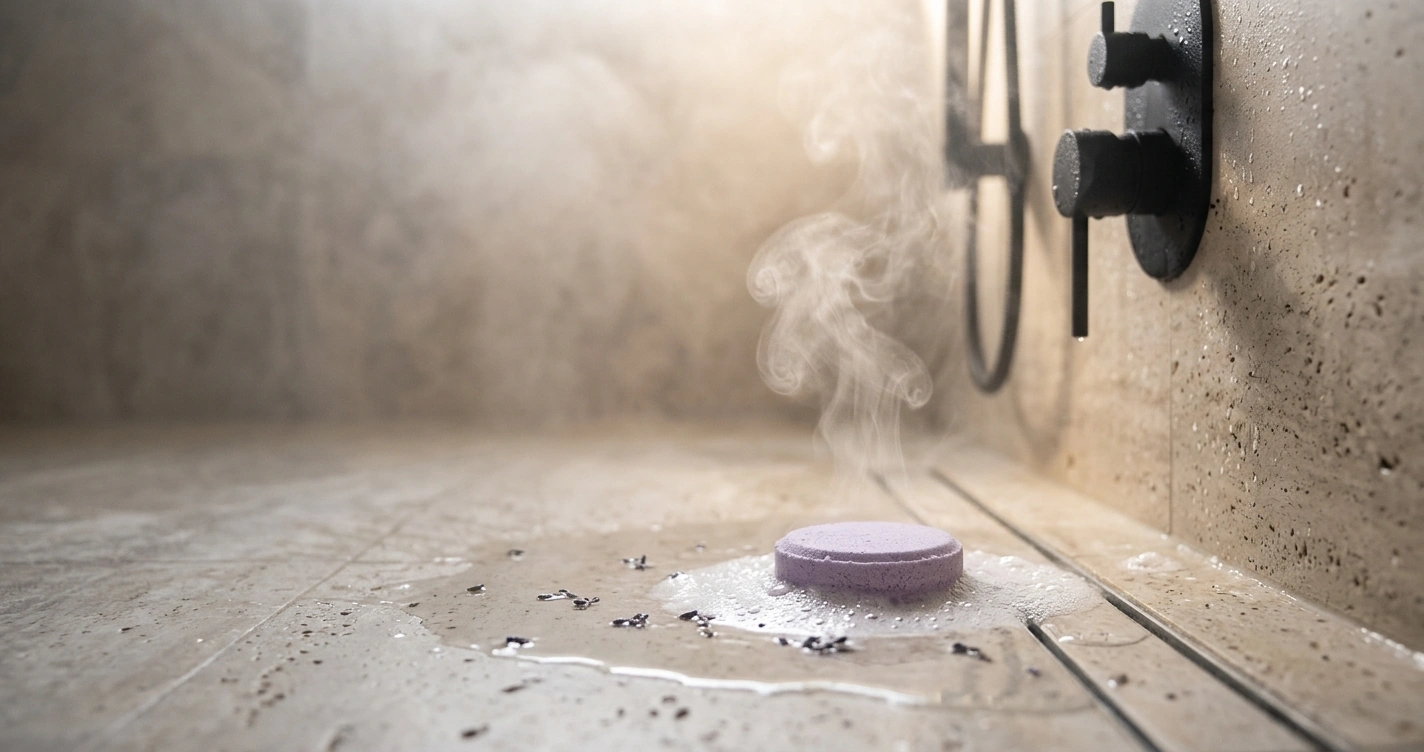
Placement is everything. Set your steamer near your feet, just outside the direct stream, where it catches splashes and steam rather than a full blast of water.
Done right, it releases its lavender aroma slowly over several minutes instead of dissolving in 30 seconds. If yours vanishes too fast, simply move it farther from the spray on your next try.
Troubleshooting Common Mistakes
Even a simple recipe has its quirks. These are the issues I've helped new makers fix again and again, along with the real reasons behind them.
Why Your Steamers Fizz Too Fast or Crumble
Fast fizzing usually means too much citric acid or placement directly under the water. Revisit that 2:1 ratio and adjust your shower position first.
Crumbling almost always comes down to two things: not enough moisture during mixing, or not pressing hard enough into the mold. Add one more spritz next time and pack with more force.
Why the Scent Fades
A faded scent is heartbreaking after all that effort, but it's fixable. Often the oil wasn't bound properly, or the steamers weren't cured long enough to lock in the aroma.
Storage is the other culprit. Leaving steamers exposed to open air lets the volatile lavender notes escape within days. Seal them up and they hold their scent far longer.
How Long They Last and How to Store Them
A well-made batch stays effective for about three to six months. The fizz and scent both gradually weaken over time as the citric acid reacts with ambient humidity.
Store them in an airtight container or zip-top bag, away from the bathroom's moisture and heat. I add a small silica packet to each container to keep things dry and protect potency. Treated this way, your steamers stay fresh and reactive far longer than ones left on an open shelf.
A Maker's View on the Shower Steamer Boom
Now that you know how to make them, let me pull back the curtain on where this whole category came from. The shift from niche to mainstream happened faster than most people realize.
When I started, almost nobody knew what a shower steamer was. Today they sit on shelves in major retailers, and that journey says a lot about how our daily habits have changed.
From Bath Bombs to Essential Oil Shower Bombs
For years, bath bombs ruled the relaxation aisle. But fewer people have time for long soaks, and many homes don't even have a bathtub.
That practical reality pushed makers to adapt. Aromatherapy shower tablets, sometimes marketed as essential oil shower bombs, gave busy people the sensory ritual of relaxing lavender bath products without needing 30 minutes and a full tub. The quick-shower lifestyle quietly reshaped an entire product category.
What the Market Looks Like in 2026
Demand has stayed strong heading into 2026, driven by ongoing consumer interest in at-home wellness and affordable self-care. Store-bought steamers typically run a few dollars each, while a homemade batch costs a fraction of that per piece.
So is it worth buying or making? If you value convenience and variety, buying makes sense. If you enjoy the process and want control over ingredients and cost, making your own wins easily. Many people, myself included, end up doing both.
Reading Labels Like an Insider
Marketing language on these products can be slippery. "Natural" is largely unregulated and can mean very little on its own.
"Essential oil" should mean the real plant-derived oil, but check whether it's listed prominently or buried under generic "fragrance." And "aromatherapy" is a claim about scent and mood, not a guarantee of any specific ingredient quality. Reading the actual ingredient list, not the front-label buzzwords, tells you what you're really getting.
Frequently Asked Questions
Q: Are lavender shower steamers safe for sensitive skin?
A: Shower steamers are designed for aroma, not direct skin contact. Unlike bath bombs, they're meant to dissolve on the shower floor and release scent through steam. Keep them away from direct skin application, and if you have respiratory sensitivities, start with less essential oil and ensure good ventilation.
Q: Can I use dried lavender buds in the recipe?
A: You can, and they look beautiful pressed into the top of a steamer. The catch is that loose buds can clog your shower drain as the steamer dissolves. If you want the visual appeal, place buds only on the surface for decoration and remove the remnants afterward, or skip them and rely on the essential oil for scent.
Q: How many shower steamers does one batch make?
A: It depends entirely on your mold size. The recipe above, using about 1.5 cups of dry ingredients, typically yields 6 to 8 standard muffin-sized steamers. Smaller molds will give you more, larger ones fewer.
Q: Can kids or pets be around them?
A: Essential oils are concentrated, and some, including certain ones used around pets, can be irritating. Use steamers in a well-ventilated bathroom and keep unused ones stored out of reach. If you have curious children or pets sensitive to oils, use a lighter scent load and don't leave steamers where they can be eaten or handled.
Q: What's the difference between a shower steamer and a bath bomb?
A: The purpose is the key difference. A bath bomb is made for soaking, often with skin-softening oils and colors meant to disperse in tub water. A shower steamer focuses purely on aromatherapy, using a tighter baking soda and citric acid base to release scent through steam while you stand in the shower. Same fizzing chemistry, very different goals.