
You've spent hours perfecting your shower steamer recipe. The fizz is satisfying, the essential oils are perfectly balanced, and the shape came out flawless. Then a week later, your steamers are crumbly, the scent has faded, and they've started fizzing in storage. Sound familiar?
Packaging isn't just about making shower steamers look pretty — it's the difference between a product that lasts months and one that degrades in days. Whether you're storing handmade shower melts for personal use or selling them at a craft fair, this guide walks you through everything you need to know.
Why Proper Packaging Matters for Shower Steamers
Shower steamers are more temperamental than most bath products. Unlike bar soaps or solid lotions, they contain a reactive combination of ingredients that can activate with even minimal moisture exposure. Understanding this vulnerability is the first step toward packaging that actually works.
The Science Behind Shower Steamer Degradation
The core of every shower steamer is a simple chemical reaction: citric acid plus baking soda (sodium bicarbonate) creates carbon dioxide gas when they encounter water. The problem? Even ambient humidity in the air provides enough moisture to trigger a slow, premature reaction.
Here's what happens when essential oil shower tablets are left exposed to air. Within the first 48 hours, volatile top-note essential oils like eucalyptus and peppermint begin evaporating. By week two, the steamer's surface may feel tacky or start expanding slightly as the ingredients react with airborne moisture.
Visual signs of degradation include surface cracking, color fading, a powdery or crumbly texture, and that telltale "flat" smell where once-vibrant aromatherapy scents have vanished. By this point, the steamer will still work — but the experience is noticeably diminished.
Packaging Goals — Protection, Presentation, and Preservation
Effective moisture-proof packaging for bath products serves three purposes simultaneously. First and foremost, it creates a barrier between your steamer and environmental humidity. Second, it presents your product attractively. Third, it preserves the essential oil potency that makes shower steamers worthwhile.
With proper packaging, shower steamers can maintain their quality for 6 to 12 months. Without it, you're looking at noticeable degradation within 2 to 4 weeks — faster in humid climates. That's not a small difference; it's the difference between a viable product and wasted ingredients.
Essential Packaging Materials You'll Need
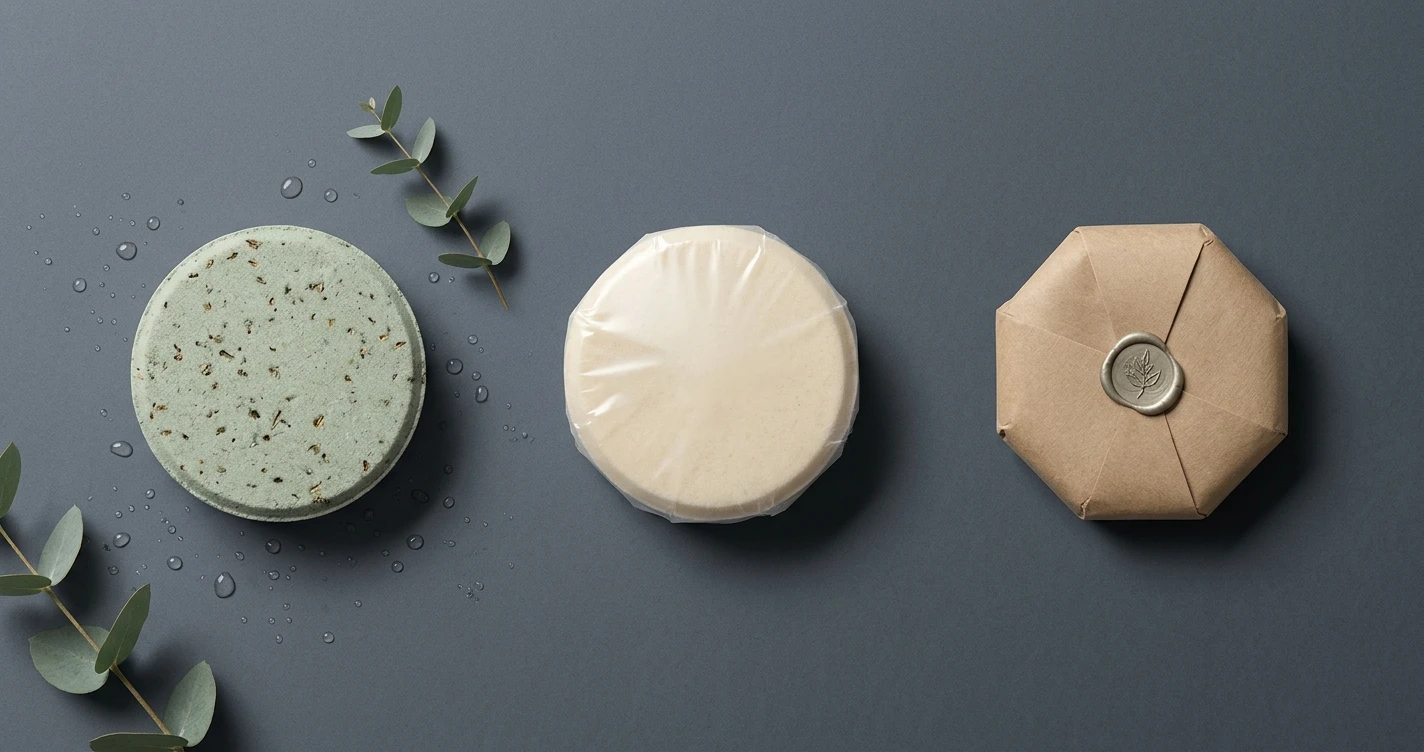
The right shower bomb wrapping materials depend on your scale, budget, and intended use. Here's a comprehensive breakdown of what works at every level.
Shrink Wrap and Heat-Seal Bags
Shrink wrap is the gold standard for professional shower steamer packaging because it creates a tight, airtight seal with zero air pockets. You have two main options: PVC and polyolefin.
PVC shrink wrap is cheaper but less flexible and can leave a slight chemical odor. Polyolefin is food-safe, clearer, and produces a cleaner finish — making it the preferred choice for bath products that sit near your face during use.
For shower steamers specifically, aim for 75 to 100 gauge thickness. Thinner wrap won't provide adequate moisture protection, while thicker wrap is harder to work with and looks bulky. A basic heat gun ($20–$40) paired with a shrink wrap dispenser is all you need to get started.
Biodegradable and Eco-Friendly Alternatives
Sustainability-conscious buyers increasingly seek eco-friendly options, and the good news is that effective biodegradable alternatives exist. Compostable cellophane made from wood pulp offers clarity similar to plastic while breaking down in commercial composting facilities.
Wax paper pouches with adhesive seals provide decent short-term moisture protection and pair beautifully with a handmade aesthetic. For an elevated look, recyclable kraft paper with a thin inner moisture barrier (like a plant-based PLA lining) offers the best of both worlds.
Be honest with yourself about tradeoffs, though. No biodegradable option matches the moisture protection of conventional shrink wrap. If you're in a humid climate or need long shelf life, consider eco-friendly outer packaging with a conventional inner barrier.
Airtight Containers for Bulk and Gift Sets
When packaging multiple steamers together, rigid containers offer both protection and presentation value. Clear clamshell containers let customers see the product while keeping moisture out — ideal for retail displays.
Tin containers elevate perceived value significantly and provide excellent moisture protection. They're perfect for gift sets or premium product lines. Adding a small silica gel packet inside any container provides an extra layer of defense by absorbing any residual moisture trapped during packaging.
Labels, Stickers, and Branding Extras
Your label material matters more than you might think. Standard paper labels will smudge and peel in bathroom humidity. Invest in waterproof vinyl or BOPP (biaxially oriented polypropylene) labels that resist moisture and maintain their appearance.
Required label information typically includes a full ingredient list, usage instructions, net weight, and any allergen warnings. Check your local regulations — cosmetic labeling requirements vary by region.
For brand differentiation, consider custom-shaped labels, embossed stickers, or branded tissue paper inserts. These small touches transform basic shower steamer packaging ideas into memorable brand experiences.
Step-by-Step Packaging Methods
Different situations call for different approaches. Here are three proven methods matched to specific needs.
Method 1 — Individual Shrink Wrapping (Best for Selling)
Step 1: Cut your polyolefin shrink wrap to size, leaving approximately 2 inches of excess on all sides of the steamer.
Step 2: Place the steamer in the center of the wrap and fold the material around it, sealing the open edges with a heat sealer or by tucking and folding tightly underneath.
Step 3: Using a heat gun on low setting, apply heat evenly around the wrapped steamer from a distance of 6 to 8 inches. Rotate constantly to avoid melting through any single spot. The wrap will shrink uniformly, conforming to the steamer's shape.
Step 4: Check for any remaining air pockets. If you find one, poke a tiny hole with a pin, press the air out, and apply brief heat to reseal.
Step 5: Apply your branded label once the wrap has fully cooled. Labels adhere best to smooth, cooled shrink wrap surfaces.
Method 2 — Wax Paper and Tissue Wrapping (Best for Gifting)
Cut a square of wax paper roughly three times the diameter of your steamer. Place the steamer in the center, then bring opposite corners up and twist gently at the top — like wrapping a truffle.
Secure with washi tape, a branded sticker, or a small ribbon. This method creates a charming boutique aesthetic that's perfect for gift-giving. Pair wrapped steamers with a decorative box, organza bag, or a simple kraft paper bag with tissue paper for a complete gift presentation.
Note: this method provides moderate moisture protection and is best for steamers that will be used within 2 to 4 weeks.
Method 3 — Airtight Storage Bags (Best for Personal Use)
For handmade shower melts storage at home, simplicity wins. Place each steamer (or a small batch of the same scent) in a zip-lock bag. Press out as much air as possible before sealing — or use a straw to suck out excess air for a tighter seal.
Store bags in a cool, dry, dark location away from your bathroom. A bedroom closet or linen cupboard works perfectly. Avoid storing under bathroom sinks where pipe condensation creates a humid microclimate.
Moisture-Proofing Strategies That Actually Work
This is where we go beyond the basics. If you've followed generic advice and still found your steamers degrading in storage, these tested techniques address real-world humidity challenges.
Double-Barrier Packaging for Humid Climates
If you live or sell in a humid climate (think coastal areas, tropical regions, or anywhere with regular humidity above 60%), single-layer packaging simply isn't enough. The solution is a double-barrier approach.
Your inner layer should be shrink wrap or cling film applied directly to the steamer's surface, eliminating air contact completely. The outer layer — a sealed pouch, rigid container, or zip-lock bag — provides secondary protection against environmental humidity penetrating the first barrier.
Why does single-layer packaging fail in bathrooms specifically? Because the temperature fluctuations from hot showers create condensation cycles. Moisture forms on the inside of packaging as temperatures shift, then gets absorbed by the steamer. A double barrier with an air gap between layers prevents this condensation from reaching your product.
Desiccants and Humidity Absorbers
Silica gel packets are your best friend for long-term storage and retail packaging. They outperform clay-based desiccants for this application because they absorb more moisture relative to their size and don't release absorbed water as easily when temperatures fluctuate.
Critical rule: never place desiccant packets in direct contact with your shower steamers. The packet surface can create a localized dry spot that draws moisture from the steamer itself, causing uneven texture. Place packets beside or below the steamer with a small separator.
As a general guideline, use one 1-gram silica gel packet per individually wrapped steamer, or one 5-gram packet per container holding 4 to 6 steamers.
Curing Time Before Packaging
This is the step most beginners skip — and it's often the single biggest cause of packaging failure. After unmolding, shower steamers need a minimum of 24 to 48 hours of open-air drying in a low-humidity environment.
Test readiness by pressing gently on the surface. It should feel completely firm and dry with no tackiness whatsoever. If your finger leaves even a slight impression, the steamer needs more time. Packaging a steamer that still contains internal moisture traps that water inside — guaranteeing premature activation.
Packaging Ideas for Different Business Scenarios
Your packaging strategy should match your sales channel. What works at a farmers market looks wrong in an e-commerce shipment.
E-Commerce and Shipping Considerations
Shipping adds mechanical stress to moisture concerns. Your shower bomb wrapping materials need to survive handling, stacking, temperature swings, and potential impacts during transit.
Individually shrink-wrap each steamer, then nestle them in shredded paper or biodegradable packing peanuts inside a snug box. Avoid boxes that are significantly larger than the product — extra space means more room for items to shift and crack.
During summer months, add an extra desiccant packet to shipments and consider insulated mailers for orders going to hot climates. Heat can soften cocoa butter or coconut oil binders in some steamer recipes, causing deformation.
Subscription Boxes and Gift Sets
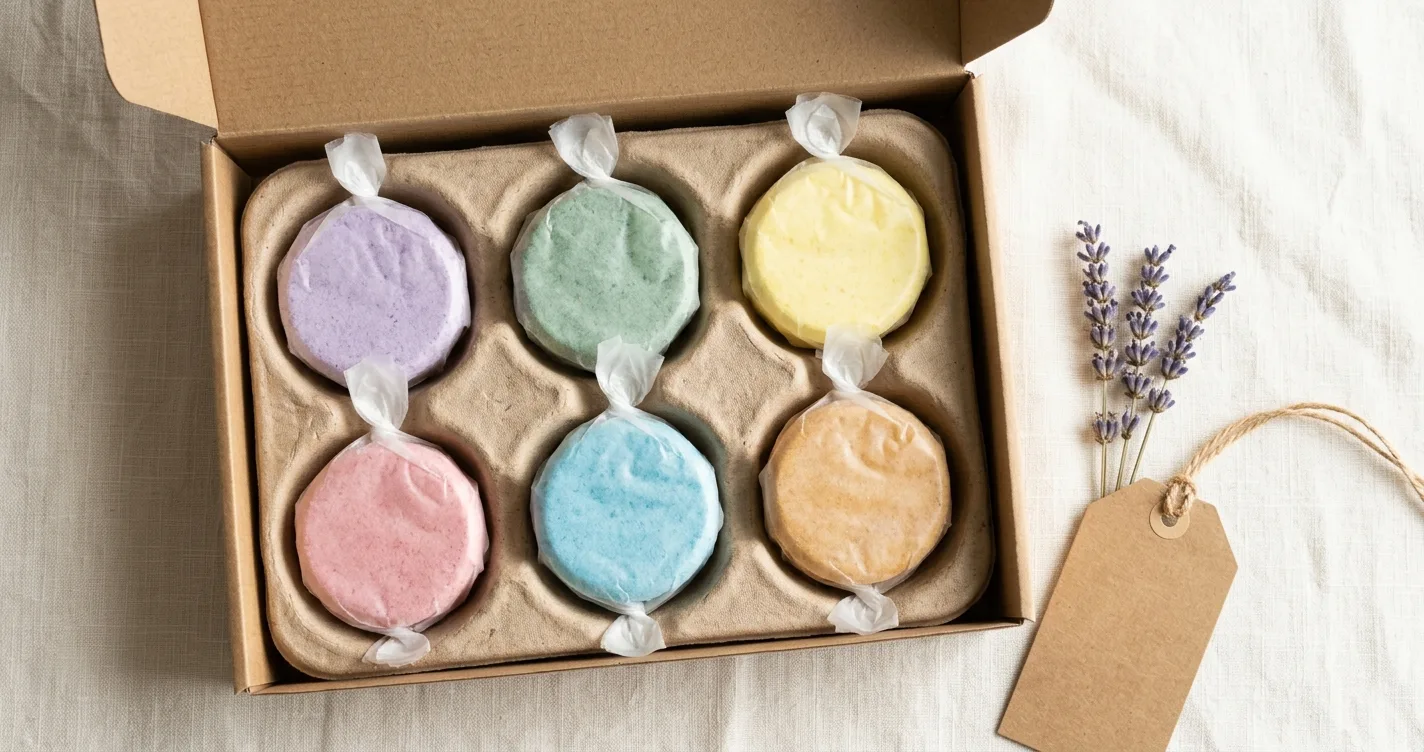
Multi-steamer packaging requires careful scent management. Different essential oil blends can mingle during storage, muddying the intended aromatherapy experience. Individually wrap each steamer before placing them together in a shared container.
For variety packs, arrange steamers in a single layer with color coordination in mind. Use compartment inserts (cardboard dividers or molded pulp trays) to prevent steamers from touching and transferring color or scent between varieties.
Common Packaging Mistakes to Avoid
Packaging While Still Damp
We mentioned curing time already, but this deserves its own call-out because it's the most common mistake. Even if the outside feels dry, internal moisture can still be present. When in doubt, wait another 12 hours. The cost of patience is zero; the cost of ruined inventory is real.
Using Non-Food-Safe or Reactive Materials
Some craft papers, colored tissue papers, and recycled materials contain dyes or chemicals that react with citric acid. This can cause discoloration, unexpected smells, or even material breakdown. Always use food-safe or cosmetic-grade packaging materials that won't interact with your product's chemistry.
Overcomplicating the Unboxing Experience
Eight layers of tissue, ribbon, a card, confetti, and a sealed bag might feel luxurious to create — but customers standing in a wet shower just want to unwrap the steamer quickly. Keep the unboxing experience to two steps maximum: open the outer package, remove the inner wrap.
Ignoring Regulatory Labeling Requirements
Selling unlabeled or improperly labeled bath products can result in fines, forced recalls, or marketplace listing removals. In the US, the FDA considers shower steamers cosmetics — meaning full ingredient disclosure is required. Research your local requirements before your first sale.
Frequently Asked Questions
Q: How long do shower steamers last once packaged?
A: Properly shrink-wrapped shower steamers with desiccant packets typically maintain their quality for 6 to 12 months. Without airtight packaging, expect noticeable scent loss within 2 to 4 weeks and texture degradation within 1 to 2 months, depending on your climate's humidity levels.
Q: Can I use regular plastic wrap to package shower steamers?
A: Standard kitchen cling wrap provides a short-term solution for personal storage but isn't ideal for selling. It doesn't create a truly airtight seal, loosens over time, and looks unprofessional. For anything beyond immediate personal use, shrink wrap or sealed pouches are worthwhile upgrades.
Q: What's the most cost-effective packaging for small batch sellers?
A: Polyolefin shrink wrap bags with a basic heat sealer offer the best balance of low cost, professional appearance, and excellent moisture protection. A starter kit (sealer, bags, heat gun) runs approximately $50 to $80 and can package hundreds of steamers. Per-unit cost drops below $0.15 once you're operational.
Q: Do shower steamers need to be refrigerated after packaging?
A: No. Refrigeration isn't necessary and can actually cause problems. Moving steamers between cold and room-temperature environments creates condensation inside packaging. Simply store them in a cool, dry, dark place at stable room temperature — ideally below 75°F (24°C).
Q: How do I prevent shower steamers from activating inside the packaging?
A: Premature activation is almost always a moisture issue. Ensure steamers are fully cured before packaging, use airtight seals with no air pockets, include desiccant packets for long-term storage, and store away from bathrooms or kitchens where humidity spikes occur regularly.
Q: What's the best packaging for shipping shower steamers in summer?
A: Use individual shrink wrapping as your base, then add bubble wrap or foam inserts for impact protection. Choose insulated mailers or include a cold pack for shipments traveling through extreme heat. Add extra desiccant packets (double your normal amount) and ship via expedited methods to minimize transit time in hot delivery vehicles.