
Walk down the personal care aisle these days and you'll notice something interesting: shoppers are picking up bars with short ingredient lists and skipping the ones packed with names they can't pronounce. Castilian soap sits right at the center of this shift.
It's not a new invention. In fact, it's been around for centuries. But as more people look for gentle, plant-based ways to clean their skin, this old-fashioned olive oil soap is having a real moment. Here's what it actually is, why it works, and how to tell the good stuff from the imitations.
What Exactly Is Castilian Soap?
At its core, Castilian soap—more commonly spelled "castile soap"—is a plant-based soap traditionally made from olive oil. No animal fat, no petroleum-derived detergents. Just oil, an alkali, and water going through a chemical reaction.
That simplicity is the whole point. Where a lot of commercial soaps rely on a cocktail of foaming agents and fillers, authentic castile soap keeps things stripped down.
Where the Name Comes From
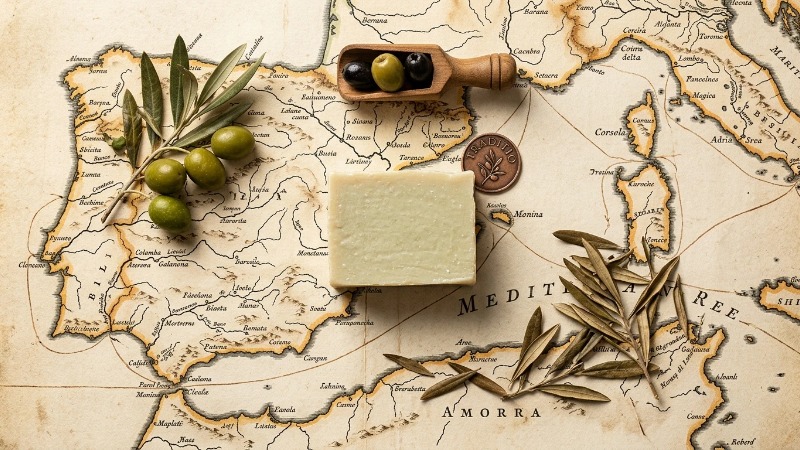
The name traces back to the Castile region of central Spain. Olive trees grew abundantly there, so soap makers used what they had on hand instead of imported animal tallow.
By the 16th century, "Castile soap" had become a mark of quality across Europe. It was the luxury soap of its day—prized precisely because it was mild and made from olive oil rather than cheaper fats.
How It Differs From Regular Soap
Conventional bar soaps often use tallow (rendered animal fat) or synthetic surfactants like sodium lauryl sulfate. These clean effectively but can strip the skin and irritate sensitive types.
True castile soap swaps all of that for olive oil. The result cleans without the squeaky-tight feeling that harsher formulas leave behind. Worth noting: some products labeled "castile" today blend in other plant oils, which is fine—but a purist's version leans heavily on olive oil.
A Brief History of This Classic Cleanser
Soap making itself is ancient, with records stretching back thousands of years to Mesopotamia and Egypt. But olive oil soap as a distinct tradition really took shape around the Mediterranean.
Aleppo soap from Syria—made with olive and laurel oils—is often considered a close cousin and possible ancestor. As trade routes carried these bars across Europe, the Spanish version earned its own reputation and eventually the "Castile" name traveled with it worldwide.
The Traditional Soap Making Process
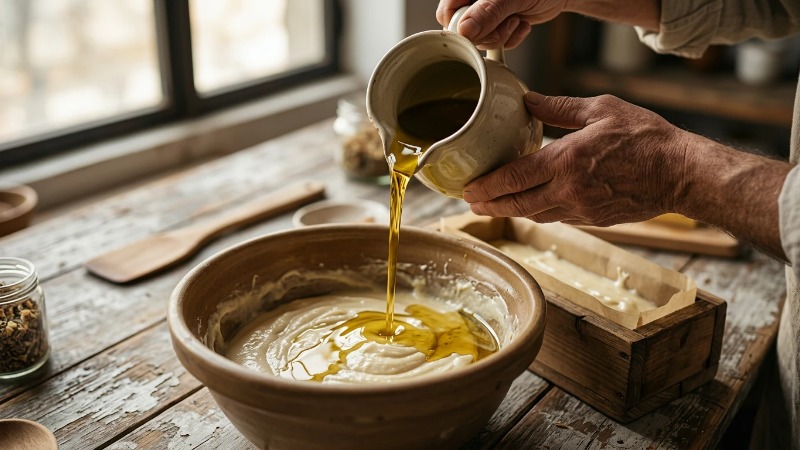
The magic happens through a reaction called saponification. When olive oil meets an alkali (historically lye derived from wood ash, today usually sodium or potassium hydroxide), the fats convert into soap and glycerin.
Classic cold-process and traditional cured methods keep that natural glycerin in the bar. Glycerin is a humectant, meaning it draws moisture toward the skin—one reason well-made olive oil soap feels so gentle. Many mass-produced soaps actually remove the glycerin to sell separately.
What's Inside? Natural Soap Ingredients Explained
One of the biggest draws of castile soap is how little it contains. Flip over a genuine bar and the label is refreshingly short.
The Role of Olive Oil
Olive oil is the star, and for good reason. It's rich in oleic acid and naturally occurring antioxidants like vitamin E and polyphenols.
On skin, this translates to a cleansing action that doesn't wreck the skin barrier. The lather is creamy and low-foaming rather than the big fluffy bubbles you get from coconut or palm—a trade some people happily make for the gentler feel.
Optional Add-Ins: Fragrances, Colors, and Botanicals
Modern versions often include a few extras while staying true to their natural roots. Essential oils like lavender, peppermint, or tea tree add scent and mild functional benefits.
You'll also see plant extracts, clays, or natural colorants such as spirulina or annatto. The line to watch is between botanical add-ins and synthetic fragrances or dyes—the former keeps the "natural" claim honest.
Why People Love Castilian Soap
Consumer demand isn't just nostalgia. There are practical reasons this cleanser keeps winning fans.
A Gentle Skin Cleanser for Sensitive Skin
Because it skips harsh sulfates and relies on a simple oil base, castile soap tends to sit well with delicate or reactive skin. People dealing with dryness or easily irritated complexions often reach for it.
That said, it's still soap with an alkaline pH, so anyone with specific dermatological conditions should patch test first.
Vegan and Cruelty-Free Appeal
Since it's made from plant oils rather than animal fat, castile soap naturally fits vegan lifestyles. Combined with cruelty-free production—no animal testing—it checks boxes that matter to a growing share of shoppers, especially in North America and Europe.
Versatile Uses Around the Home
A single bottle of liquid castile soap can moonlight as a body wash, hand soap, and even a diluted household cleaner. This multitasking reputation is part of why it developed such a loyal following—one product, many jobs.
How to Use Castilian Soap
Using it is straightforward, though a couple of habits help you get the most out of every bar or bottle.
For Face and Body
For the body, lather a bar directly or use a small amount of liquid on a washcloth or sponge. On the face, go lighter—a pea-sized amount of diluted liquid is plenty for daily cleansing.
Follow with a moisturizer, since olive oil soap cleans thoroughly and some skin types appreciate the extra hydration afterward.
Dilution and Storage Tips
Liquid castile soap is often sold concentrated—a little goes a long way, so dilute it with water for everyday use. For hand soap, a 1:3 soap-to-water ratio is a common starting point.
Store bars on a well-draining dish so they dry between uses; sitting in water shortens their life fast. Keep liquid versions capped and away from direct heat.
Castilian Soap vs. Other Natural Soaps
Olive oil soap is one branch of the broader natural soap family. Understanding how it compares helps you pick the right one.
Castile Soap and Coconut Oil Soap
Coconut oil soap produces a big, quick lather and cleans aggressively—great for cutting grease but potentially drying with regular use. Olive oil soap does the opposite: gentle, mild lather, more conditioning.
Many artisan makers actually blend the two to balance cleansing power with gentleness. If you want maximum mildness, lean toward the higher olive oil content.
What to Look for When Buying Castilian Soap
Not every product wearing the "castile" label lives up to the tradition. A little label literacy goes a long way.
Reading the Label
Look for olive oil (often listed as "sodium olivate" in bar form or "potassium olivate" in liquid) near the top of the ingredient list. Short lists are generally a good sign.
Be cautious with products loaded with synthetic fragrance, artificial colorants, or a long tail of chemical names—those drift away from the authentic profile.
Certifications That Matter
For B2B buyers and quality-conscious brands, manufacturing credentials tell a bigger story than marketing copy. Certifications such as GMP (Good Manufacturing Practice), ISO, and FDA compliance point to controlled, consistent production.
Cruelty-free and vegan verifications add another layer of trust, confirming that both the ingredients and the process align with the values shoppers care about.
The Rise of Custom and Private Label Olive Oil Soap
The renewed interest in natural personal care has reshaped how these products get made. Retailers and emerging brands increasingly turn to OEM/ODM manufacturers to develop their own lines rather than reselling generic stock.
This is where experienced contract manufacturers come in. A specialist like Boymay, which has focused on personal care manufacturing since 1995, illustrates the model well—operating a 40,000-square-meter facility with 16 automated production lines and internationally recognized GMP, ISO, FDA, and SMETA certifications.
What draws brands to this route is flexibility. Custom formulas, vegan options, custom molds, and tailored packaging let a company launch a distinct product with a minimum order quantity as low as 1,000 units. Samples typically come together in 7–14 days, with bulk production following in roughly 25–30 days—a practical timeline for brands responding to the natural care trend.
Conclusion: A Simple, Natural Choice Worth Trying
Castilian soap has stuck around for centuries for a good reason: it does one job well without a lot of fuss. Made largely from olive oil, gentle enough for sensitive skin, and free from animal ingredients, it fits neatly into today's move toward simpler, plant-based personal care.
Whether you're a shopper reading labels more carefully or a brand exploring natural product lines, this classic cleanser is worth a closer look. Sometimes the oldest ideas turn out to be the ones we come back to.
Frequently Asked Questions
Q: Is Castilian soap good for all skin types?
A: For most people, yes—it's especially favored by those with sensitive or dry skin thanks to its mild, oil-based formula. If your skin is very oily or acne-prone, you may prefer a version blended with a bit of coconut oil for extra cleansing. A quick patch test is always smart with a new product.
Q: Can I use Castilian soap on my hair?
A: You can, and some people use diluted liquid castile soap as a natural shampoo alternative. Just know its alkaline nature can leave hair feeling rough, so a follow-up acidic rinse (like diluted apple cider vinegar) helps restore balance. Results vary a lot depending on your hair and water type.
Q: Is liquid or bar Castilian soap better?
A: Neither is objectively better—it comes down to use case. Bars are economical and low-waste for showers and hand washing, while liquid versions dilute easily and work well for multipurpose cleaning. Many households keep both around.
Q: Is all Castilian soap vegan?
A: Authentic castile soap is plant-based by definition, since it's made from olive and other vegetable oils rather than animal fat. Still, always confirm with the label or a vegan certification, as some products may sneak in animal-derived additives or use ambiguous ingredients.
Q: How long does Castilian soap last?
A: An unopened bar can keep for a year or more if stored in a cool, dry place. Once in use, letting it dry fully between washes prevents it from turning mushy and dramatically extends its life. Liquid versions generally stay good for around two to three years when sealed properly.