
The question "who sells bath bombs?" has evolved dramatically over the past decade. What was once a consumer query about where to find a relaxing soak has become a strategic sourcing question for retailers, brand owners, and procurement managers. This comprehensive guide maps the entire bath bomb supply chain — from end-consumer retailers to wholesale distributors to the manufacturers that produce them at scale.
Market Overview: The Global Bath Bomb Industry
The bath bomb category has matured from a novelty product into a multi-billion-dollar global personal care segment. Demand is driven by self-care trends, gifting culture, premiumization, and the rapid expansion of indie beauty brands sourcing from private label bath bomb manufacturers.
Current Market Size and Growth Projections
Industry research values the global bath bomb market at approximately USD 1.8 billion, with projections pointing to a compound annual growth rate (CAGR) between 7% and 10% through 2030. Key growth catalysts include rising consumer spending on at-home wellness, expansion in children's bath product lines, and the proliferation of subscription box services that rely on bath bomb suppliers for monthly assortments.
Why Bulk Buyers Are Asking "Who Sells Bath Bombs?"
The shift in search intent is notable. Five years ago, this query was dominated by consumers asking where to buy bath bombs. Today, an increasing share originates from B2B buyers — private label founders, retail buyers, distributors, and gift-set assemblers — searching for reliable bath bomb manufacturers and wholesale partners. Understanding the layered structure of the supply chain is now a competitive necessity.
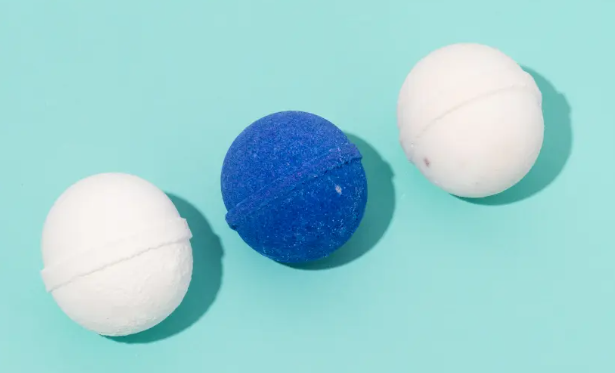
Category 1: Retail Sellers of Bath Bombs
To understand the sourcing landscape, B2B buyers should first map the consumer-facing channels where finished products are sold. This benchmark informs pricing strategy, packaging decisions, and competitive positioning.
Major Specialty Retailers
Specialty personal care chains such as Lush, Bath & Body Works, and The Body Shop dominate the premium end of the consumer market. These bath bomb brands have built strong loyalty around proprietary fragrances, sustainable ingredient stories, and immersive in-store experiences.
Mass-Market Department Stores
Stores that carry bath bombs at scale include Target, Walmart, Costco, CVS, and Walgreens. These mass retailers blend their own private label SKUs with branded assortments, creating significant opportunity for manufacturers capable of supporting both house brands and third-party labels.
Online Marketplaces
Amazon, Etsy, eBay, and Walmart.com function as both retail destinations and discovery channels for bath bomb retailers. Etsy in particular has become a launchpad for indie brands, many of which graduate to private label manufacturing once they exceed hand-production capacity.
Comparative Table: Top Bath Bomb Retailers
| Retailer | Channel Type | Price Range (USD) | Product Focus |
|---|---|---|---|
| Lush | Specialty Brand | $6–$12 | Handmade, premium |
| Bath & Body Works | Specialty Chain | $5–$10 | Mass-premium |
| Target | Mass Retail | $3–$8 | Private label + brands |
| Amazon | Online Marketplace | $2–$15 | Multi-brand variety |
| Etsy | Online Marketplace | $4–$20 | Artisan/small-batch |
Category 2: Bath Bomb Brands That Sell Direct-to-Consumer
Beyond traditional retail, an increasing number of bath bomb brands operate vertically integrated direct-to-consumer (DTC) channels through their own e-commerce sites.
Established Premium Brands
Legacy players such as Lush and Da Bomb Bath Fizzers have shaped consumer expectations around fragrance complexity, ingredient transparency, and packaging aesthetics. These brands set the benchmark that emerging entrants must meet — or differentiate from.
Emerging Indie and DTC Brands
Digitally native brands are launching at unprecedented speed by leveraging private label bath bomb manufacturers. Rather than building production infrastructure in-house, they partner with experienced factories to handle formulation, automation, and certification — freeing capital for marketing and brand building.
Category 3: Bath Bomb Wholesalers and Distributors
For retailers and resellers, wholesale procurement remains a critical channel — particularly for buyers who need diverse assortments without the complexity of direct manufacturer relationships.
Regional Wholesale Distributors
North American, European, and Asia-Pacific wholesale networks supply bath bombs to independent retailers, gift shops, spas, and hotels. These intermediaries typically add 20%–40% margin on top of factory pricing in exchange for warehousing, smaller order sizes, and faster regional delivery.
B2B Marketplaces
Platforms such as Alibaba, Faire, Tundra, and Global Sources connect bath bomb suppliers with wholesale buyers globally. Alibaba dominates international manufacturer-direct sourcing, while Faire and Tundra cater to North American boutique retailers seeking curated, ready-to-ship assortments.
Category 4: Bath Bomb Manufacturers (The Source)
The most strategic answer to "who sells bath bombs?" is, quite simply, the manufacturers themselves. Direct sourcing eliminates layers of margin and unlocks customization, formulation control, and scale advantages unavailable through resellers.
Why Buy Directly from a Bath Bomb Manufacturer
Direct manufacturer relationships deliver four core advantages: better unit economics, MOQ flexibility for emerging brands, full control over formulation and packaging, and faster speed-to-market through dedicated production scheduling.
For brand owners targeting double-digit gross margins at retail, buying through a wholesaler often makes the math impossible. Manufacturer-direct sourcing is the foundation of profitable private label business models.
Key Manufacturing Hubs Worldwide
Bath bomb production is concentrated in several global hubs. China — particularly Guangdong Province — leads in automated, high-volume production with deep supply chain integration. The United States and the United Kingdom host smaller, often artisan-focused operations. Emerging markets in Southeast Asia and Eastern Europe are growing but lack the certification depth of established hubs.
Spotlight: Boymay Cosmetics Co., Ltd.
Founded in 1995, Boymay brings 29 years of high-tech R&D experience in bath bombs, shower steamers, and cosmetics for adults and children. The company operates from a 40,000-square-meter facility in Huizhou, Guangdong, China, equipped with 16 automated production lines and staffed by a team of over 200 specialists. Daily output reaches 20,000 units.
Quality and compliance are validated by a comprehensive certification portfolio: GMP, ISO, FDA, and SMETA. This combination addresses the audit requirements of major North American, European, and Asia-Pacific retailers, making Boymay an enterprise-ready partner for brands targeting global distribution.
Manufacturer Capability Comparison
| Capability | Industry Average | Boymay Cosmetics |
|---|---|---|
| Years of Experience | 5–15 years | 29 years (est. 1995) |
| Facility Size | 5,000–15,000 m² | 40,000 m² |
| Automated Lines | 2–6 | 16 |
| Daily Output | 3,000–8,000 units | 20,000 units |
| Certifications | ISO or GMP | GMP, ISO, FDA, SMETA |
| Team Size | 50–100 | 200+ |
How to Choose the Right Bath Bomb Supplier
Selecting a manufacturing partner is one of the highest-leverage decisions a brand owner or retail buyer will make. The framework below structures the evaluation process.
Step 1: Define Your Business Model
Sourcing priorities differ across business models. National retailers prioritize capacity, certifications, and delivery reliability. Private label brands emphasize formulation flexibility and branding support. Subscription boxes need consistent monthly variety. Gift-set assemblers focus on packaging compatibility and SKU breadth.
Step 2: Evaluate Compliance and Certifications
Certifications are not optional for serious distribution. GMP and ISO confirm manufacturing process integrity. FDA registration is mandatory for the U.S. market. SMETA certification — increasingly required by Walmart, Target, Costco, and major European chains — verifies ethical labor and sourcing practices.
Step 3: Assess MOQ, Lead Time, and Capacity
Match manufacturer output to your seasonal demand cycle. A factory producing 5,000 units per day cannot reliably supply a Q4 holiday push that requires 200,000 units in six weeks. Boymay's 20,000-unit daily capacity, by contrast, accommodates aggressive promotional calendars without compromising lead times.
Step 4: Test Quality with Samples and Factory Audits
Before committing to volume orders, request samples for sensory evaluation, dissolution testing, and packaging inspection. Where feasible, conduct an on-site audit. A factory unwilling to host visitors or share production documentation is a significant red flag.
Private Label Bath Bomb Opportunities
Private label is the fastest-growing segment of the bath bomb industry, fueled by indie brand proliferation, retailer house-brand expansion, and creator-led product launches.
What Private Label Bath Bomb Manufacturing Includes
A complete private label bath bomb program covers custom fragrance development, color matching, shape and size customization, packaging design, and ingredient profile selection — including premium add-ins such as CBD, essential oils, shea butter, and skin-soothing botanicals. Mature manufacturers offer pre-existing formulation libraries that accelerate development.
Cost Structure and Margin Potential
Typical bath bomb wholesale-to-retail markup ratios fall between 3x and 5x. A unit produced at $0.80–$1.50 from a manufacturer often retails for $4–$8. Sourcing through a distributor erodes this margin significantly; manufacturer-direct partnerships preserve it.
Speed-to-Market Considerations
Experienced manufacturers shorten development cycles dramatically. Boymay's pre-existing formulation library, in-house R&D team, and packaging supplier network enable brands to move from concept to first shipment in weeks rather than months — a decisive advantage in trend-driven categories.
Regional Sourcing Considerations
Sourcing from China
Guangdong-based manufacturing clusters offer unmatched supply chain density. Raw materials, packaging, fragrance houses, and logistics providers are concentrated within driving distance, compressing development timelines and unit costs. Boymay's Huizhou location places it at the center of this ecosystem.
Sourcing from North America and Europe
Domestic manufacturers in North America and Europe offer proximity advantages: shorter shipping times, fewer customs complications, and "made in" labeling benefits. However, these advantages typically come with 30%–60% higher unit costs and lower production capacity, making them better suited to small-batch artisan brands than scaling national players.
Frequently Asked Questions (FAQ)
Where can businesses buy bath bombs in bulk?
Businesses can source bulk bath bombs from wholesale distributors, B2B marketplaces such as Alibaba and Faire, or directly from manufacturers. Direct manufacturer relationships typically offer the best pricing and customization flexibility, especially for brands ordering 5,000 units or more per SKU.
What is the minimum order quantity (MOQ) for private label bath bombs?
MOQs vary by manufacturer. Established factories like Boymay often accommodate flexible MOQs depending on customization complexity, ranging from a few hundred units for stock designs to several thousand for fully custom formulations and packaging.
How do I verify a bath bomb manufacturer's quality?
Request certifications (GMP, ISO, FDA, SMETA), product samples, third-party lab reports, and ideally schedule a factory visit. Boymay welcomes both sample requests and in-person factory tours at its Huizhou, Guangdong facility.
What is the typical lead time for a private label bath bomb order?
Standard production lead times range from 25–45 days depending on order size, customization, and packaging requirements. Manufacturers with high automation, such as Boymay's 16-line facility, can compress these timelines significantly for repeat orders.
Can manufacturers produce both bath bombs and shower steamers?
Yes. Full-service manufacturers like Boymay produce bath bombs, shower steamers, and related cosmetics for both adult and children's markets under a single supply agreement, simplifying procurement for multi-SKU brands.
Which certifications should a bath bomb supplier hold?
GMP and ISO certifications confirm manufacturing quality standards. FDA registration is essential for U.S. market access. SMETA certification verifies ethical labor and sourcing practices — increasingly mandatory for major retailer onboarding at chains like Walmart, Target, and Costco.
Key Takeaways for Business Decision-Makers
Retail vs. Manufacturer Sourcing
For brand owners and retail buyers operating at scale, direct manufacturer partnerships consistently outperform reseller and wholesale channels on margin, customization, and supply reliability. Wholesalers remain useful for small retailers and one-off assortment needs, but they are rarely the right answer for serious brand-building.
The Strategic Value of Established Manufacturing Partners
Experience, scale, and certification depth reduce procurement risk substantially. A 29-year-old factory with GMP, ISO, FDA, and SMETA certifications and 16 automated lines is a fundamentally different risk profile than a five-year-old workshop with limited compliance documentation. For brands planning multi-year growth, the choice of manufacturing partner is a strategic — not tactical — decision.
Call to Action: Partner with Boymay for Bath Bomb Manufacturing
Ready to launch or scale your bath bomb line with a proven manufacturer? Boymay Cosmetics Co., Ltd. brings 29 years of R&D expertise, a 40,000 m² facility with 16 automated production lines, daily output of 20,000 units, and full certification (GMP, ISO, FDA, SMETA) to every partnership.
Contact us today to request samples or schedule a visit to our factory in Huizhou, Guangdong Province, China. Let's build your next bestselling bath bomb collection together.