
You've probably seen them at the grocery store — those little tablets you drop into your toilet tank for hands-free cleaning. They promise a sparkling bowl with zero effort. But then you hear horror stories about damaged toilets, voided warranties, and toxic chemicals. So what's the real deal?
Let's break it down. The short answer: it depends on the type of tablet you use. Some can absolutely cause problems, while newer formulations are designed to be safe, effective, and gentle on your plumbing. Read on for the full picture.
What Are Toilet Bowl Cleaner Tablets and How Do They Work?
Types of Drop-In Toilet Cleaner Tablets
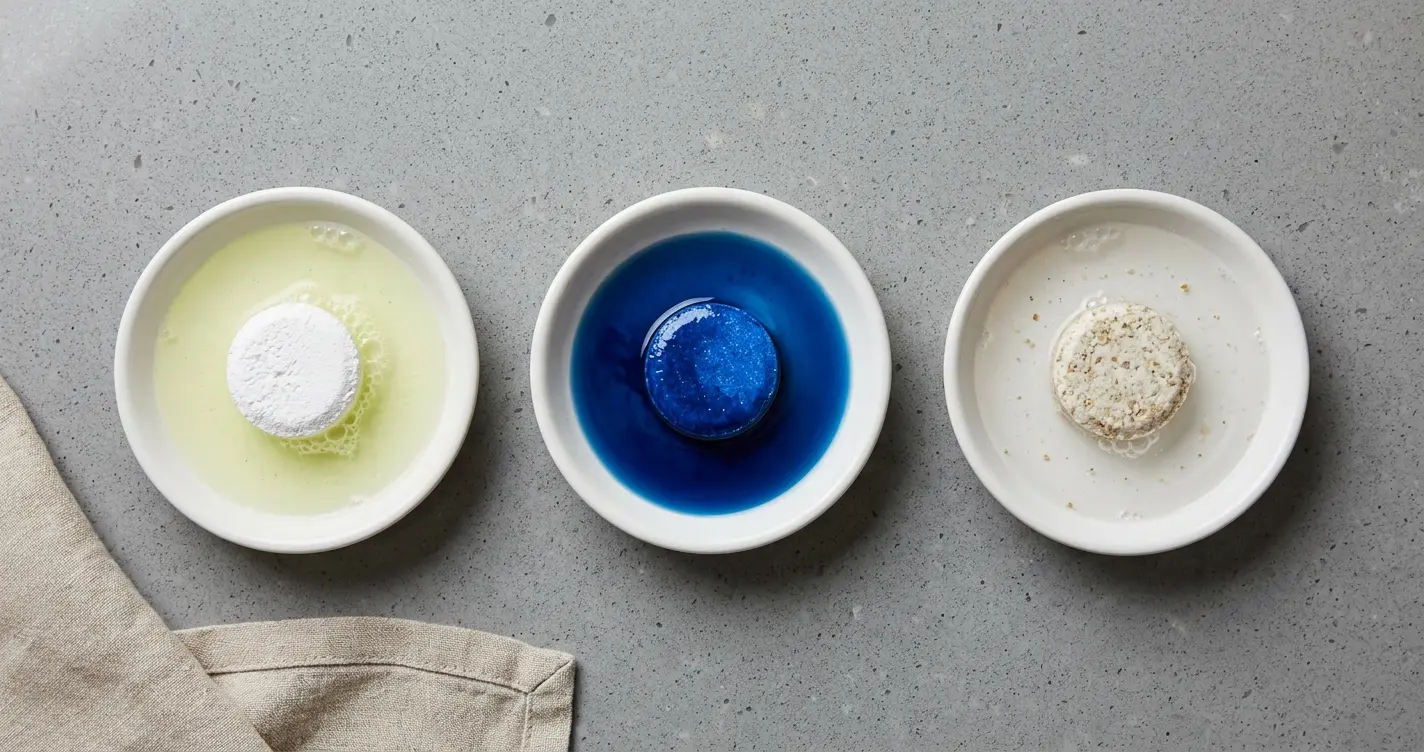
Not all toilet cleaning tablets are the same. You'll find three main categories on store shelves:
Bleach-based tablets — These rely on concentrated calcium hypochlorite or sodium dichloroisocyanurate to disinfect and whiten. Powerful, but harsh.
Blue dye tablets — These combine surfactants with coloring agents to give the appearance of a clean bowl. Some contain mild bleach as well.
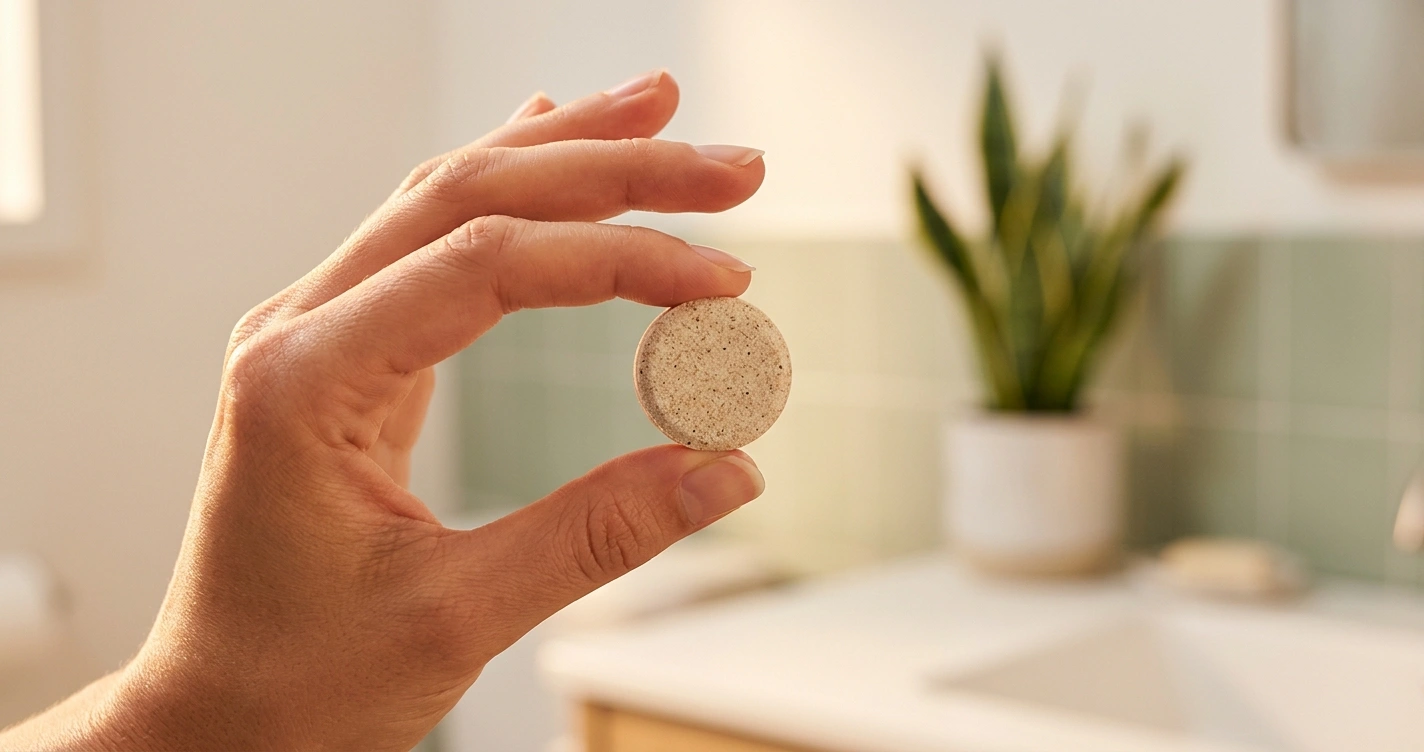
Enzyme-based or oxygen-activated tablets — These use natural enzymes or sodium percarbonate to break down stains and odors without aggressive chemicals.
The basic mechanism is straightforward. You drop the tablet into your toilet tank (or sometimes directly into the bowl). It dissolves slowly over days or weeks, releasing cleaning agents into the water with every flush. The drop-in concept appeals to people precisely because it automates a chore nobody enjoys.
Why Consumers Love the Convenience Factor
Let's be honest — scrubbing a toilet ranks near the bottom of anyone's weekend to-do list. The set-it-and-forget-it appeal is undeniable, especially for busy households juggling work, kids, and everything in between.
A good tablet keeps the bowl fresh between deep cleans, reduces visible staining, and controls odors around the clock. For many people, that's reason enough to toss one in and move on with life.
The Real Risks — Can Toilet Tank Tablets Damage Your Toilet?
How Bleach Tablets Affect Rubber Parts and Internal Components
Here's where things get serious. Traditional bleach tablets sitting in your toilet tank stay in constant contact with internal components — components that were never designed to withstand concentrated bleach exposure 24/7.
The flapper valve (the rubber seal at the bottom of your tank) is especially vulnerable. Concentrated bleach causes chemical degradation of rubber and silicone, turning the flapper stiff, warped, or cracked over time. Gaskets, O-rings, and other seals inside the tank suffer the same fate.
The typical timeline? Toilet bowl cleaner tablet damage can start appearing within 3 to 6 months of continuous use. You might not notice it right away, but by the time your toilet starts running constantly, the damage is already done.
Plumbing Issues Caused by In-Tank Toilet Cleaner Tablets
Beyond rubber degradation, bleach tablets in the toilet tank can corrode metal fittings, bolts, and flush valve mechanisms. This corrosion weakens connections and creates potential failure points throughout the system.
The practical consequences include:
A toilet that runs continuously, wasting water and inflating your utility bill
Slow leaks around the base or from the tank-to-bowl connection
Complete flush valve failure requiring costly repairs
In-tank toilet cleaner safety isn't just about chemicals — it's about protecting a plumbing fixture that can cost hundreds of dollars to repair or replace.
What Plumbers and Manufacturers Actually Say
Major toilet manufacturers have been clear on this. Kohler, TOTO, and American Standard all include warnings in their documentation advising against drop-in bleach tablets. In many cases, using these products can void your toilet's warranty entirely.
Plumbers consistently echo this guidance. The professional consensus: continuous bleach exposure in the tank is one of the most common preventable causes of toilet component failure. Short-term convenience creates long-term headaches.
Health and Safety Concerns — Are the Chemicals Harmful?
Chemical Exposure Risks for Households
Beyond plumbing damage, there are human health factors worth considering. Concentrated bleach and chlorine tablets can release low-level off-gassing in enclosed bathrooms, especially smaller ones with poor ventilation.
Handle these tablets without gloves and skin irritation or eye discomfort are common complaints. The residue on your hands can transfer to your face, food, or other surfaces if you're not careful.
And here's something pet owners need to hear: if your dog or cat drinks from the toilet bowl (as many do), they're ingesting diluted but still-present chemical cleaning agents. Over time, this can cause gastrointestinal irritation or worse.
Environmental Considerations
Every flush sends those dissolved chemicals into your local water system. Traditional chlorine-based tablets contribute to chemical runoff that water treatment facilities must then process.
Biodegradable, plant-based formulations break down naturally and pose significantly less environmental risk. If sustainability matters to you, this distinction is worth paying attention to when choosing a product.
Not All Tablets Are Created Equal — Safer Alternatives Exist
Enzyme-Based and Oxygen-Activated Tablets
Here's the good news: the industry has come a long way. Modern enzyme-based and oxygen-activated toilet cleaning tablets address virtually every concern we've discussed above.
These newer formulations work differently. Instead of using harsh bleach to chemically strip stains, they rely on biological enzymes to break down organic matter — or sodium percarbonate (oxygen bleach) that decomposes into water and oxygen once the job is done.
The benefits are significant:
Gentle on rubber flappers, gaskets, and seals — no chemical degradation
No toxic off-gassing, making them safer for families with children and pets
Effective cleaning and odor control without the plumbing risks
Typically septic-safe and environmentally friendly
What to Look For When Choosing a Safe Toilet Bowl Cleaner Tablet
When shopping for a toilet cleaning tablet that won't cause problems, use this quick checklist:
Bleach-free formula — This is the single most important factor for protecting your toilet's internals
Non-corrosive certification — Look for products tested against metal and rubber components
Septic-safe labeling — Essential if you're on a septic system, but a good sign regardless
Eco-friendly certifications — EPA Safer Choice or similar third-party validation
Dissolve rate — Quick-dissolve tablets for bowl use vs. slow-release tablets for tank use serve different purposes. Match the product to your needs.
The Verdict — Toilet Bowl Cleaner Tablets Can Be Safe (With the Right Choice)
Bringing It All Together: Risk vs. Benefit
So, are toilet bowl cleaner tablets safe? The answer isn't black and white. Traditional bleach-based tablets carry well-documented risks to your toilet's internal components, your household health, and the environment. These concerns are legitimate — backed by both manufacturer warnings and plumbing professionals.
That said, modern enzyme-based and oxygen-activated formulations have tackled these issues directly. They deliver the same convenience and cleaning performance without the chemical aggression that causes damage.
Why Modern Toilet Cleaning Tablets Are Worth Trying
When you choose the right product, toilet cleaning tablets offer genuine, practical advantages that make daily life a little easier:
Hands-free, continuous cleaning between manual scrubs
Consistent odor control that keeps bathrooms guest-ready
Reduced scrubbing frequency — less time on your knees with a brush
Water efficiency — a well-maintained toilet runs properly and doesn't waste water
If you've been avoiding toilet cleaning tablets because of the old horror stories, it's worth giving the newer generation a try. Look for an enzyme-based or oxygen-activated formula, confirm it's bleach-free and non-corrosive, and enjoy the convenience without the worry. Your toilet — and your weekends — will thank you.
Frequently Asked Questions
Q: Do toilet bowl cleaner tablets void my toilet's warranty?
A: They can. Many major manufacturers, including Kohler and American Standard, explicitly state that damage caused by in-tank chemical cleaners is not covered under warranty. Always check your specific toilet's documentation. Enzyme-based tablets are generally considered safer here, but it's wise to confirm with the manufacturer.
Q: How often should I replace drop-in toilet cleaner tablets?
A: Most tablets last between 1 to 4 weeks depending on the formula, household usage, and flush frequency. Replace them when the tablet has fully dissolved or when you notice the cleaning effect fading — water returning to a clear color, or odor creeping back. Don't leave a partially dissolved tablet sitting indefinitely.
Q: Are bleach tablets toilet tank safe for septic systems?
A: Generally no. Bleach kills the beneficial bacteria in your septic tank that break down waste. This can lead to system backups and expensive repairs. If you're on a septic system, choose tablets specifically labeled "septic-safe." Enzyme-based options are typically your best bet since they work with your system's biology rather than against it.
Q: Can toilet tank tablets cause a toilet to leak?
A: Yes. When bleach-based tablets degrade the rubber flapper valve, it can no longer seal properly. Water continuously seeps from the tank into the bowl — what plumbers call a "running toilet." Over time, deteriorating gaskets can also lead to external leaks. Toilet tank tablets and rubber parts simply don't mix well when harsh chemicals are involved.
Q: What is the safest type of in-tank toilet cleaner?
A: Enzyme-based or oxygen-activated tablets are widely considered the safest option for in-tank toilet cleaner safety. They clean effectively without degrading rubber, corroding metal, or releasing harmful fumes. Look for products that are bleach-free, non-corrosive, septic-safe, and ideally carry third-party environmental certifications. You get all the convenience with virtually none of the risk.