
If your washing machine has started smelling funky, or your "clean" clothes come out with a slightly musty scent, you've probably wondered whether those cleaning tablets you see online are worth trying. Let's cut straight to the answer and then cover everything else you might be wondering.
The Short Answer — Yes, They Actually Work
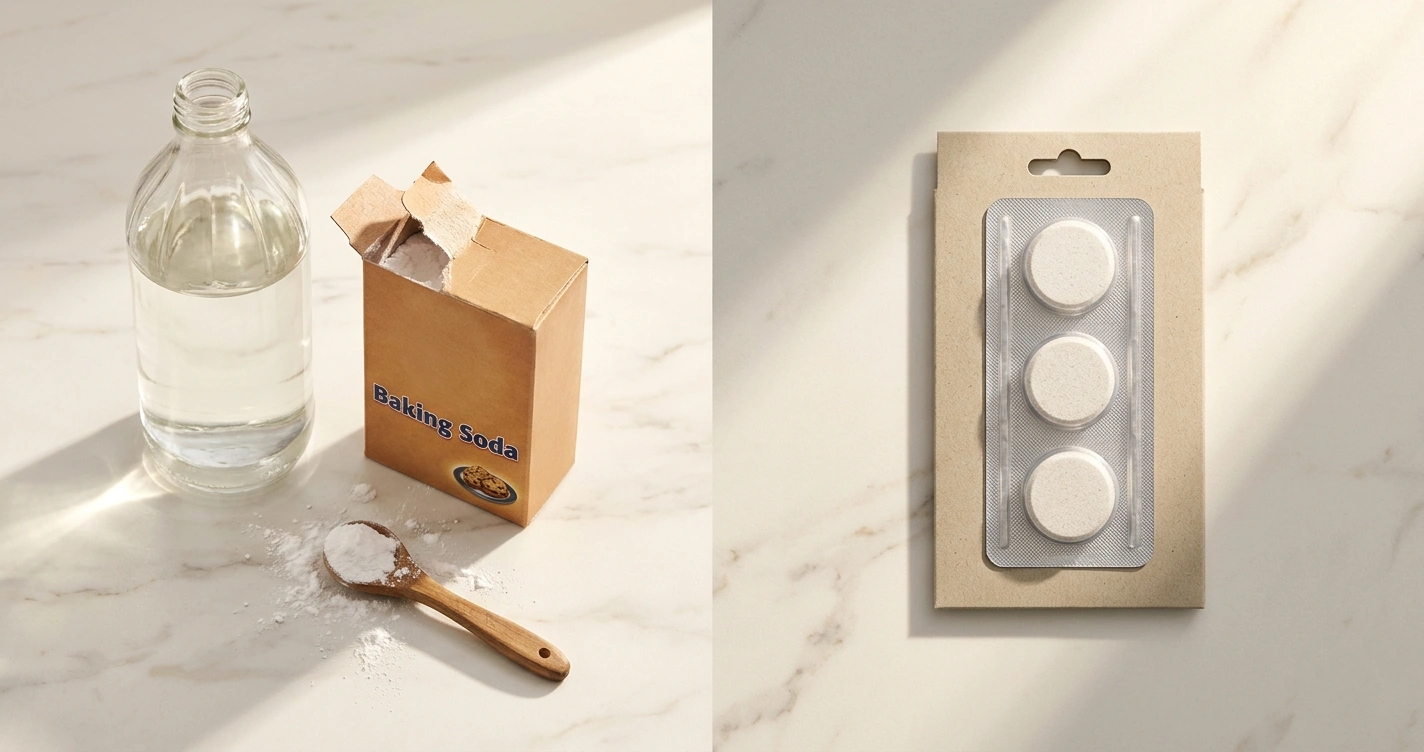
Washing machine cleaning tablets do work. They're formulated to dissolve residue, kill mold and mildew, and neutralize odor-causing bacteria hiding inside your drum, rubber gasket, and internal pipes. How well they work depends on the brand, the formulation, and how consistently you use them.
A single tablet won't undo years of neglect. But used regularly as part of a maintenance routine, drum cleaning tablets can genuinely keep your machine fresh and running efficiently.
What Cleaning Tablets Are Designed to Do
Dissolve limescale and mineral buildup — Hard water leaves calcium deposits on heating elements and drum walls over time.
Break down detergent residue and fabric softener film — These sticky layers accumulate in places you can't see or reach.
Kill mold and mildew in hidden areas — The rubber gasket, drain hose, and detergent drawer are prime breeding grounds.
Eliminate musty odors at the source — Rather than masking smells, tablets target the bacteria producing them.
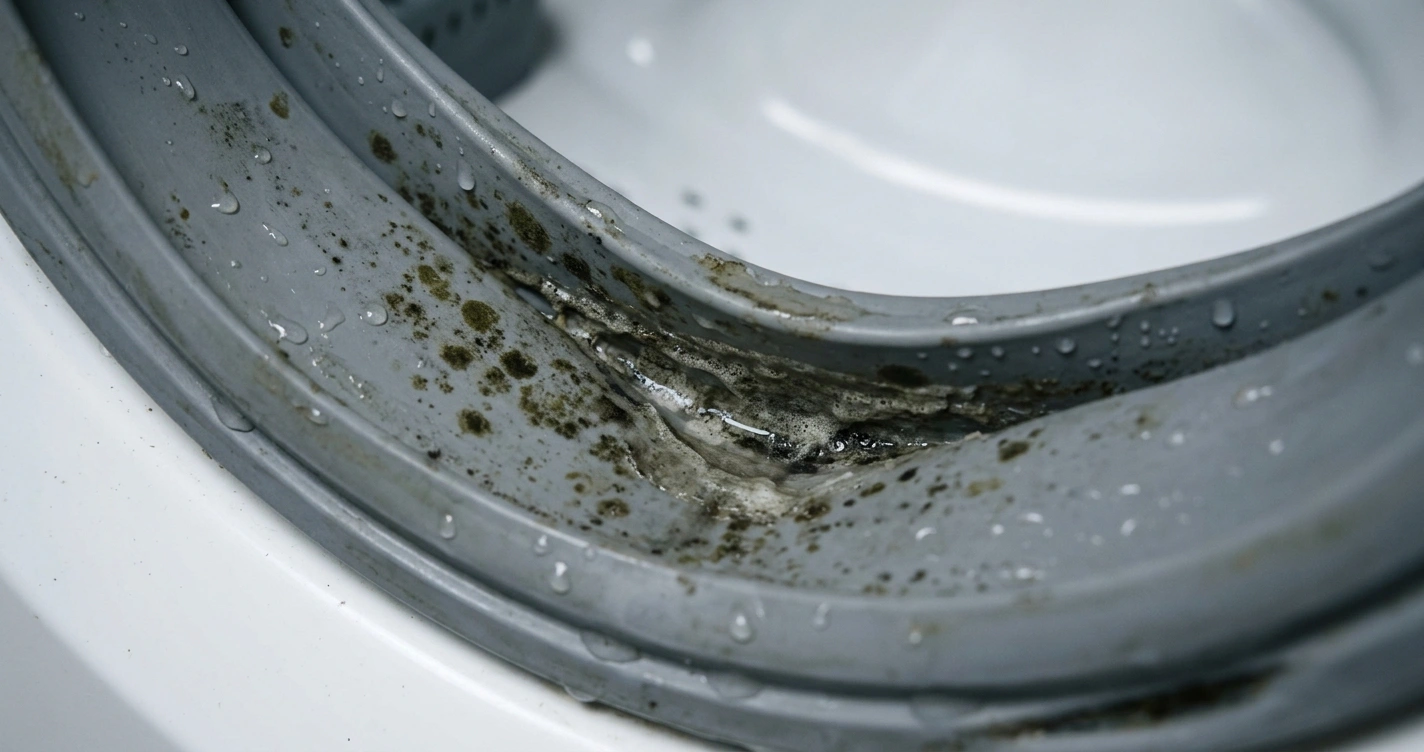
How They Compare to DIY Methods (Vinegar, Baking Soda)
The internet is full of advice about running vinegar or baking soda through your machine. These methods can help with light odors, but they have real limitations.
Cleaning tablets deliver concentrated, pre-measured formulas designed specifically for washing machines. No guesswork about dosing. Vinegar is mildly acidic and can help with mineral deposits, but it doesn't match the washing machine cleaner effectiveness of a purpose-built tablet when you're dealing with heavy biofilm or mold.
Where DIY wins: cost and availability. Where tablets win: tackling stubborn buildup, reaching hidden internal components through effervescent action, and sheer convenience. If your machine has a serious odor problem, tablets are the stronger choice.
How Washing Machine Cleaning Tablets Actually Work
You don't need a chemistry degree to understand this. Here's what happens when you drop a tablet into your empty drum and run a hot cycle.
Active Ingredients Breakdown
Oxygen-based bleach (sodium percarbonate) is the star ingredient in most quality tablets. Dissolved in hot water, it releases hydrogen peroxide, which kills bacteria and breaks down organic grime without the harshness of chlorine.
Surfactants work the same way dish soap cuts grease — they lift residue off surfaces so water can flush it away. These tackle the sticky film left behind by detergents and fabric softeners.
Effervescent agents create that fizzing action. This isn't just for show. The bubbling drives the cleaning solution into narrow channels, pump mechanisms, and pipe bends that a simple soak would never touch.
Front-Loader vs. Top-Loader — Does It Matter?
Yes, and front-loaders need attention more urgently. Their sealed rubber door gasket traps moisture after every cycle, creating an ideal environment for mold growth. The horizontal drum design also means water doesn't drain as completely as it does in top-loaders.
Top-loaders benefit from tablets too, especially for removing detergent buildup and limescale on the agitator and drum walls. They're just less prone to the mold issues that plague front-loaders.
Usage is straightforward for both types: place the tablet directly in the empty drum (not the detergent drawer), select the hottest cycle available, and let it run completely. Some brands include specific instructions for each machine type, so check the packaging.
When Cleaning Tablets Won't Solve the Problem
Tablets are effective, but they're not miracle workers. Setting realistic expectations saves you money and frustration.
Signs You Need More Than a Tablet
Persistent black mold deep in gasket folds: If you pull back the rubber seal and find thick black mold that's been growing for months, a tablet alone won't clear it. You'll need to manually scrub the gasket with a mold-specific cleaner or consider replacing it entirely.
Mechanical drainage issues: If water pools at the bottom of your drum or drains sluggishly, you likely have a clogged pump filter or kinked drain hose. No cleaning tablet can fix a physical blockage.
Heavily calcified heating elements: In extremely hard water areas, mineral buildup on heating elements may require professional descaling or part replacement if efficiency has dropped significantly.
Common Mistakes That Reduce Tablet Effectiveness
Running the cycle at too low a temperature. Most tablets need water at 60°C (140°F) or higher to fully activate. A cold or warm cycle won't dissolve the tablet properly or kill bacteria effectively.
Using tablets with a full load of laundry inside. The tablet needs to circulate freely through the machine. Clothes absorb the cleaning solution and block it from reaching internal surfaces.
Infrequent use. Dropping one tablet per year when your machine already reeks is damage control, not maintenance. Monthly use stops buildup before it ever reaches problematic levels.
Washing Machine Maintenance Tips Beyond Tablets
Tablets handle the deep clean, but daily habits determine whether your machine stays fresh between treatments. It's like brushing your teeth every day versus only seeing the dentist once a year.
Daily Habits That Prevent Odor Buildup
Leave the door or lid open after each wash. This lets air circulate and moisture evaporate rather than creating a sealed, humid environment where bacteria thrive.
Wipe the rubber gasket dry after use (front-loaders). A quick wipe with a dry cloth removes trapped water from the folds. This single habit cuts mold growth dramatically.
Remove wet laundry promptly. Clothes sitting in a closed, damp drum for hours create that stale smell that transfers straight to your machine.
Monthly and Quarterly Cleaning Schedule
| Frequency | Task |
|---|---|
| Monthly | Run a hot empty cycle with a cleaning tablet |
| Quarterly | Remove and scrub the detergent drawer; clean the pump filter trap |
| Annually | Inspect the drain hose for kinks or buildup; check water inlet filters for sediment |
This schedule covers the essentials without being overwhelming. Consistency matters far more than intensity.
Dishwasher Tablets vs. Washing Machine Tablets — Can You Swap Them?
This question comes up all the time. The short answer: it's not recommended. Both products clean appliances, but their formulations differ significantly.
Dishwasher tablets are built for a low-foam environment. They often contain stronger alkaline agents and rinse aids that aren't suitable for washing machines. Use them in a washer and you risk excess foaming or chemical residue that doesn't rinse out properly during a standard wash cycle.
Washing machine tablets account for the specific materials inside your washer — rubber seals, drum coatings, pump components. They're formulated to rinse cleanly, leaving no residue that could transfer to your next load of clothing. Stick with products designed for your specific appliance.
How to Choose the Right Washing Machine Cleaner
The market is packed with options. Here's how to narrow it down without overthinking it.
Key Factors to Compare
Oxygen-based vs. chlorine-based formulas: Oxygen-based (sodium percarbonate) is gentler on machine components and safer for septic systems. Chlorine-based hits mold harder but can degrade rubber gaskets over time with frequent use.
Fragrance-free options: If you have sensitive skin or allergies, look for unscented tablets. Added fragrances can leave traces that contact clothing in subsequent washes.
HE machine compatibility: If you own a high-efficiency machine, confirm the product is labeled HE-safe. These machines use less water, so the tablet needs to dissolve and rinse effectively in lower water volumes.
Tablet vs. Liquid vs. Powder Cleaners
Tablets are the most convenient option. Pre-measured dosing means you can't accidentally use too much or too little. They're easy to store and have a long shelf life.
Liquid cleaners may work better for spot-treating the gasket or detergent drawer directly. They're versatile but easier to over-pour.
Powder cleaners often offer the best cost-per-clean ratio, especially in bulk. However, they require measuring and can clump in humid storage conditions.
For most households, tablets strike the best balance of convenience, effectiveness, and value. A typical tablet runs between $1–3 per treatment — a small price compared to a service call for a machine that's developed drainage issues from neglected buildup.
Frequently Asked Questions
Q: How often should I use washing machine cleaning tablets?
A: Once per month is the standard recommendation for most households. If you do laundry daily, live in a humid climate, or frequently wash at low temperatures (which don't kill bacteria as effectively), bump that up to every two weeks. The goal is preventing buildup before it becomes a visible or smelly problem.
Q: Can washing machine cleaning tablets damage my machine?
A: Properly formulated tablets from reputable brands are safe for all standard washing machines, including HE models. Problems only show up with off-brand products containing overly harsh chlorine concentrations or abrasive fillers. Stick to well-reviewed products with clear ingredient lists and you won't have issues.
Q: Do cleaning tablets remove odor from washer permanently?
A: Tablets effectively remove existing odor by killing the bacteria and mold causing it. But the smell will return if the conditions that created it — trapped moisture, residue buildup, infrequent cleaning — go unaddressed. Think of tablets as one part of an ongoing routine, not a one-time fix.
Q: Are washing machine cleaning tablets worth the money?
A: At roughly $1–3 per use with monthly application, you're looking at $12–36 per year to keep your machine in shape. Compare that to a professional repair or full replacement, which easily runs into the hundreds. Tablets also help your machine operate more efficiently, trimming energy costs slightly over time. The math clearly favors regular maintenance.
Q: Can I use bleach instead of a cleaning tablet?
A: Chlorine bleach does kill mold and bacteria, but it's harsher on rubber components and lacks the surfactants needed to dissolve greasy residue. If you do use bleach, keep it occasional — not monthly — and never mix it with vinegar or other cleaners. Tablets deliver a more balanced, machine-friendly clean with less risk of component degradation.
Q: Do I run the tablet on an empty cycle or with clothes?
A: Always run the tablet on an empty cycle. Select the hottest water setting your machine offers — typically 60°C or 90°C (140°F–194°F). The drum needs to be completely empty. This ensures the cleaning solution reaches all internal surfaces, pipes, and the pump without being absorbed by fabric. That step is essential for maximum effectiveness.